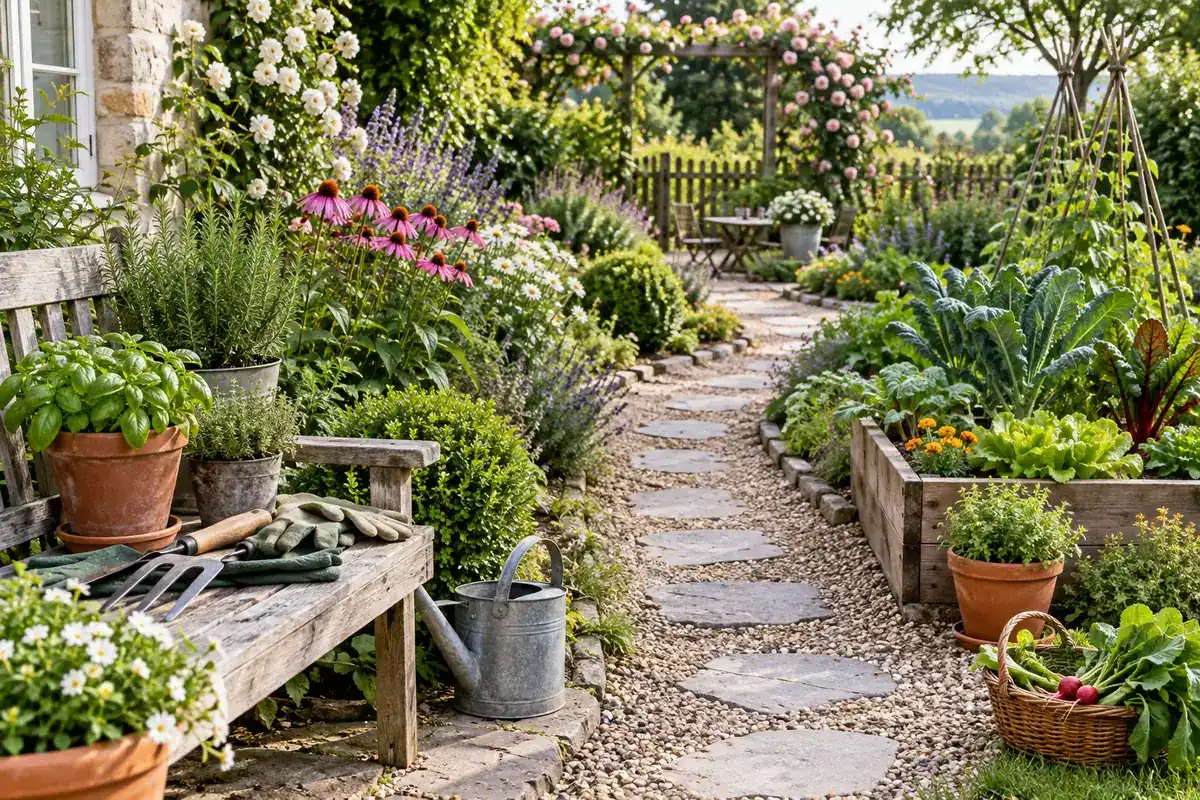
Garden Blog 2026 ▷ Tips, Guides & Seasonal Advice
Gardening is one of those skills where experience beats theory — but knowing the theory first saves you a lot of frustrating experience. This blog exists to bridge that gap: practical, well-researched guides on composting, seasonal planting, soil science, plant care and the mistakes that even experienced gardeners still make.
Whether you have a large backyard, a small raised bed on a patio, or a few pots on a balcony, the principles of good gardening apply. We write for real gardeners, not ideal ones — people with limited time, variable weather, and plants that sometimes do the opposite of what the books say.
What This Garden Blog Covers
Every article in this blog is built around a single goal: give you the information you need to make better decisions in your garden. Not vague advice — specific, actionable guidance based on how plants actually behave, what soil science actually says, and what works in practice for home gardeners.
The topics we cover fall into four broad categories:
- Seasonal planting guides: what to plant and when, adapted for US planting zones. Spring is the busiest season, but there is something to plant in every month of the year if you know what to look for.
- Soil and composting: the foundation of every successful garden. Understanding your soil type, how to improve it, and how to make free compost from kitchen and garden waste is transformative for plant health.
- Plant care: watering, feeding, pruning, and problem-solving. From keeping houseplants alive while you travel to understanding why your tomatoes are splitting, we cover the practical situations every gardener faces.
- Common mistakes and fixes: an honest look at what goes wrong in most gardens and how to correct it. Knowing what not to do is often more valuable than knowing what to do.
Browse All Articles
Use the search bar to find a topic, or filter by category to narrow down to what you need. The newest articles appear first.
No articles match your search.
Seasonal Gardening Guides
Gardening is fundamentally a seasonal activity. The rhythm of planting, growing, harvesting and resting follows the calendar — but the calendar varies dramatically depending on where you live in the US. A gardener in Minnesota has a very different April than one in Georgia.
Our seasonal guides acknowledge this reality. We always note USDA hardiness zones where relevant and explain the logic behind timing recommendations so you can adapt them to your local conditions. The goal is not a rigid calendar you follow blindly, but an understanding of why certain tasks happen at certain times — so you can adjust when your local spring arrives two weeks early or a late frost threatens your seedlings.
Key seasonal topics covered in this blog:
- April garden tasks: spring lawn preparation, first sowings under cover, pruning timing, soil testing and the first outdoor plantings for hardy vegetables and cool-season flowers.
- What to plant in May: the big month for warm-season vegetables. Tomatoes, peppers, cucumbers, beans, squash and summer flowers all get their moment in May across most of the US.
- May garden tasks: the complete monthly checklist — what to feed, prune, water, and harvest during the most productive growing month of the spring season.
- June garden tasks: managing heat, setting up irrigation, deadheading summer flowers, and keeping the vegetable garden producing at full pace into the hottest months.
- What to plant in June: heat-tolerant vegetables, succession sowings of fast crops, and tropical summer annuals for continuous color through August.
- What to plant in July: strategic pivot to fall brassicas indoors, heat-specialist crops, and the critical role of 50% shade cloth during peak summer.
- What to plant in August: decisive pivot to fall garden — fall brassica transplants, cool-season direct sow, and garlic bed prep for October planting.
- Full garden calendar: a month-by-month reference for everything to sow, plant, prune, and harvest across the full growing year — adapted for US hardiness zones.
Composting & Soil Health
If there is one thing that separates thriving gardens from struggling ones, it is soil quality. Healthy soil is teeming with microbial life, holds moisture without waterlogging, and provides a steady supply of nutrients that plants can access as they need them. Getting there requires organic matter — and the most cost-effective way to add organic matter is composting.
Our composting guide covers every method available to home gardeners: the classic outdoor bin (ideal if you have a yard), vermicomposting with worms (perfect for apartments), the Japanese bokashi fermentation system (the only method that handles meat and dairy), and the simple cold pile for those with space but not much time. We include a troubleshooting section for the most common composting problems — smell, flies, slow decomposition — with specific fixes for each.
Understanding your soil type is the companion piece to composting. Clay, sandy, silty and loam soils each behave differently and need different amendments. The article includes a simple jar test you can do at home to identify your soil type, plus a clear explanation of what each type needs to reach the fertile, well-drained structure that plants prefer.
Plant Care Tips
Even experienced gardeners run into plant care situations that are not obvious: what to do when you go on vacation and cannot water your plants, why container plants need more fertilizer than in-ground ones, or how to diagnose a nutrient deficiency from the color of the leaves.
Our vacation watering guide is one of the most practical pieces in the blog — seven methods for keeping plants alive while you are away, from the classic inverted bottle (5-7 days) to cotton wick irrigation from a large reservoir (up to 2-3 weeks). Each method is rated by duration and ease of setup, and we include a table showing how long different plant types can go without water so you can prioritize which ones need attention.
Future plant care topics in this blog will cover: diagnosing overwatering vs underwatering, understanding fertilizer labels (NPK ratios explained clearly), pruning basics for the most common garden shrubs, and winter protection strategies for borderline-hardy plants.
Learning from Common Gardening Mistakes
There is no faster way to improve as a gardener than understanding why things went wrong. Our 10 common gardening mistakes article is one of the most comprehensive treatments of this topic — covering everything from overwatering (the number one killer of houseplants and container plants) to planting without knowing your soil type, pruning at the wrong time, and ignoring drainage.
Each mistake in the article comes with a specific fix and an explanation of the underlying principle so you understand why the mistake matters. The goal is not to make you feel bad about past errors but to give you the knowledge to avoid them going forward. Gardening has a steep early learning curve, but most of the fundamentals can be learned in a single growing season if you pay attention and know what to look for.
Who This Blog Is For
This blog is written for home gardeners in the US who want to grow more confidently and successfully without spending a lot of money on products or professional help. Our readers include:
- Beginners who just started their first garden and want to understand the basics properly before developing bad habits that are hard to unlearn.
- Intermediate gardeners who have a few seasons of experience but keep running into the same problems (plants that die for no obvious reason, vegetables that fail to produce) and want real explanations.
- Apartment and balcony gardeners who work in small spaces and need advice that applies to containers, pots and raised beds rather than sprawling backyard plots.
- Sustainable gardening enthusiasts who want to reduce waste, compost their kitchen scraps, grow food organically, and use water wisely.
Whatever your situation, the goal of this blog is always the same: help you grow better, with less frustration and more success.