

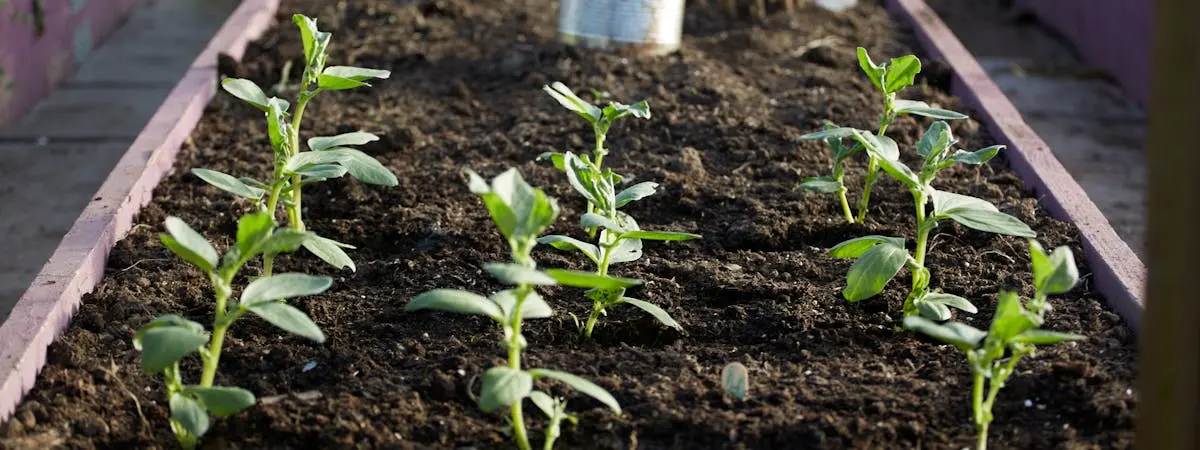
Vegetable garden kits: the easiest way to start
Minigarden Vertical — Modular Kitchen Garden Kit (9 Plants)
- ✓ Modular extensible system: 3 modules — 9 plants
- ✓ Integrated drainage mechanism (water to base)
- ✓ Can be wall-mounted or floor-standing
- ✓ UV-resistant food-grade polypropylene
- ✓ Estimated lifespan: 10+ years
- ✓ Available in white, anthracite and green
No verified direct Amazon.com listing is linked for this exact model.
Greenbo XL Balcony Railing Planters
- ✓ Designed to hang on railings without tools
- ✓ Weather-resistant recycled plastic
- ✓ High capacity for vegetables and herbs
- ✓ Compatible with flat and round railings
- ✓ No tip-over risk — double locking
- ✓ Natural green colour that blends into the balcony
No verified direct Amazon.com listing is linked for this exact model.
Upyard GardenBox — Modular Raised Bed 120×80 cm (47×31 in)
- ✓ Dimensions: 120×80×19.5 cm (stackable for height)
- ✓ PEFC-certified sustainable timber
- ✓ Modular system: stack layers for more depth
- ✓ Easy assembly without tools
- ✓ Compatible with weed-suppressing membrane (sold separately)
- ✓ Grey — modern aesthetic for the patio
No verified direct Amazon.com listing is linked for this exact model.
Raised beds: the best option for a patio or terrace
A raised bed is by far the most efficient way to have a vegetable garden on a patio. Compared to individual pots, a bed of 120×60 cm (47×24 in) provides a volume of 200+ litres of growing medium where roots develop freely, soil temperature is more stable and moisture retention is far greater. The result: more vigorous plants, higher yields and less frequent watering. Pressure-treated pine wood beds last 10–15 years without additional treatment. Galvanised steel beds are even more durable and have a more contemporary look.
Beginner vegetable garden guide
What to grow in a vegetable garden?
To start, choose crops with a good effort-to-reward ratio. Herbs (basil, parsley, mint, chives) are the easiest: they grow in small containers, have few pest problems and are ready to harvest in weeks. Leafy greens (lettuce, rocket, spinach, chard) are quick (35–50 days from seed to harvest) and tolerate partial shade. Cherry tomatoes and sweet peppers are the most rewarding long-term: they need more sun and space but produce abundantly throughout the season. Avoid for beginners: courgettes, squash and melons (need too much space) and cauliflower and broccoli (slow and demanding).
Growing medium and watering: the two keys to success
The right growing medium matters more than any fertiliser. Always use a specific vegetable container mix: peat-based universal compost (50%) + perlite (20%) for aeration + mature compost or worm castings (30%) for nutrients. The mix should be light, spongy and drain well. Check the pH (6.0–7.0 for most vegetables) with an inexpensive meter. Watering containers and patio beds is the most common beginner mistake: the surface looks dry but the interior may still be moist. Insert your finger 1 inch (2–3 cm) before watering. In summer with high temperatures, a drip irrigation system with a timer is practically essential to avoid losing your crops during holidays.
Pest control in an organic vegetable garden
The most common pests in container vegetable gardens are aphids (on young shoots), thrips (on peppers and aubergines), spider mites (on tomatoes in hot dry conditions) and slugs (on leafy crops). For effective organic control: diluted potassium soap (1%) for aphids and mites; diatomaceous earth around the edges of pots against slugs; companion planting with basil or marigolds near tomatoes. A weekly visual inspection is the best prevention: catch infestations before they take hold.
Sowing calendar for the vegetable garden
In temperate climates, the approximate schedule is: January–February: start tomatoes, peppers and aubergines indoors under grow lights or a sunny windowsill. March–April: transplant to outdoor containers once frost risk has passed; direct sow lettuce, radishes and carrots. May–July: full summer production; direct sow cucumbers and courgettes in their final pots. August–September: sow autumn crops: chard, spinach, broccoli, autumn lettuce. October–November: final summer harvest, prepare beds for winter with a compost top-dressing.
For the full month-by-month breakdown with USDA hardiness zone dates and recommended varieties, see our complete US garden calendar. For the peak summer month, we keep a dedicated what to plant in June guide.
Automatic irrigation: save time and water
The biggest threat to a patio vegetable garden is not pests or wrong growing medium — it is irregular watering. One day you forget, the next you water twice, and a week's holiday in August can wipe out three months of work. The solution is an automatic irrigation system designed for container vegetable gardens. You do not need a complex installation: a tap timer with a drip irrigation kit for 30 points costs under £40 and can save your harvest.
For a 120×80 cm raised bed with 10–12 plants, a drip irrigation kit with a timer is the optimal solution. At 2–4 litres per hour per dripper, a 20-minute watering cycle delivers 0.7–1.3 litres per plant — exactly what they need. If you have a larger patio or garden, a WiFi controller lets you manage irrigation from your phone even while on holiday.
Feeding and nutrition in the vegetable garden: when and how to fertilise
Container and bed growing medium is exhausted far more quickly than garden soil because roots cannot seek nutrients beyond the container. Good feeding is as important as watering. The most effective approach combines two types: a slow-release base fertiliser (controlled-release granules, 3–6 months) incorporated into the growing medium at the start of the season, and a weekly or fortnightly liquid fertiliser during peak growth and fruiting.
Fruiting vegetables (tomatoes, peppers, aubergines, cucumbers) are the most nutrient-demanding, especially for potassium and calcium during fruiting. Calcium deficiency shows as blossom end rot in tomatoes — those fruits with a black patch at the tip that so often frustrates beginners. It is not a disease: it is a problem of irregular watering that prevents calcium uptake. The fix is consistent watering and foliar calcium spray if the problem is already present.
Wooden vs metal raised beds: which to choose
Wooden beds offer better thermal insulation for the growing medium (roots do not suffer as much from summer heat), a more natural look and a generally lower price. The disadvantage is maintenance: although pressure-treated or FSC-certified wood lasts 10–15 years, it eventually deteriorates. Galvanised metal beds — preferably Corten steel or high-quality galvanised — are virtually indestructible, with a very modern appearance popular on contemporary terraces. Their main drawback is that they heat up in summer (the outer face can reach 120–140°F / 50–60°C), though this does not affect the growing medium inside if the depth is at least 10–12 inches (25–30 cm).
For a patio exposed to midday sun, a wooden bed is safer for the roots. For a north- or east-facing terrace, dark metal can actually benefit the growing medium by absorbing more solar heat. A modular raised bed like the Upyard GardenBox combines the best of both: certified timber with stackable layers for whatever depth you need, ideal for deep-rooted vegetables like carrots or beetroot.
Harvesting: from the garden to the kitchen
Harvesting is the most rewarding moment in container growing, but also where the most mistakes happen. The basic rule is simple: harvest at the optimum point of ripeness, not before and not after. Cherry tomatoes are picked when fully red and give slightly when pressed; if you leave them too long on the plant they split or are taken by birds. Lettuce is harvested when it has formed a head but before it bolts (when it runs to flower, the taste turns bitter). Cucumbers are harvested before they turn yellow: when they begin to change colour, they are already past their best. Herbs are harvested regularly (every 1–2 weeks) by cutting young stems; this stimulates growth and prevents the plant from flowering and exhausting itself.
For storage, freshly picked vegetables are incomparably better than shop-bought ones. Tomatoes should never go in the fridge: they lose 80% of their flavour in the cold. Lettuce keeps 5–7 days in the fridge wrapped in damp kitchen paper. Fresh herbs stay up to 2 weeks in a glass of water on the counter (like cut flowers). A well-managed patio vegetable garden can supply a family of four with all their herbs, salad leaves and cherry tomatoes throughout summer — a real yield of 20–30 kg of fresh produce.
Succession Planting: Continuous Harvests All Season
One of the biggest mistakes beginners make is planting everything at once, then being overwhelmed by harvest followed by complete emptiness. Succession planting — sowing seeds at intervals — ensures a steady supply throughout the season. For leafy greens (lettuce, spinach, chard), sow every 2–3 weeks from March to August; each sowing takes 35–50 days to harvest, so overlapping sowings provide continuous production. For bush beans and radishes, the same principle applies: sow in waves every 3 weeks for uninterrupted harvests.
Calculate your planting calendar backwards from your desired harvest date. If you want fresh lettuce in early July, count back 45 days to mid-May for the sowing date. For tomatoes and peppers (which fruit over 2–3 months), succession planting is less critical, but for fast crops like courgettes and cucumbers, sowing 2–3 weeks after the first batch prevents a glut followed by shortage.
Keep a simple spreadsheet: crop name, sowing date, expected harvest date (35–55 days depending on variety), and number of plants per sowing. Most container gardeners sow 3–4 lettuce plants every 2 weeks, 2–3 radish seeds every 3 weeks, and beans every 3 weeks. This rhythm transforms a chaotic glut into a professional-looking supply chain that feeds your household reliably.
Common Beginner Mistakes & How to Avoid Them
After coaching hundreds of first-time growers, certain errors recur. Overwatering is the #1 killer: pots feel heavy, the surface looks dry, so the beginner waters again. Two hours later, root rot is silently advancing. The fix: the 1-inch (2.5 cm) finger test is non-negotiable. Wet means wait; dry means water. In summer, daily watering is normal; in spring, only once every 2–3 days.
Wrong growing medium is #2. Garden soil compacts, drains poorly, and brings in pathogens. Use a specific vegetable growing mix (potting compost 50% + perlite 20% + mature compost 30%). Refresh it at the start of each season; do not just top up old soil year after year — nutrients are depleted and diseases accumulate.
Underfertilising (#3) happens because beginners assume good compost covers nutrition. It does not. Fruiting vegetables (tomatoes, peppers) demand regular feeding during flowering and fruiting — every 1–2 weeks with liquid tomato fertiliser. A missing feed schedule results in flowers dropping without setting fruit, a heartbreaking sight. Ignoring pest checks (#4) allows infestations to explode. A 2-minute weekly inspection (underside of leaves, stem joints) catches aphids, spider mites, and slugs before they cause damage. Once they're visible everywhere, they're harder to control.
Starting too many crops (#5) is a management problem. A first-year grower should choose 3–4 crops maximum: herbs (basil, parsley), leafy greens (lettuce), and 1–2 fruiting plants (cherry tomatoes, sweet peppers). Master these before expanding to courgettes, cucumbers, or squash.
From Container to Kitchen: Storage & Preservation Tips
A bumper harvest that wilts in the fridge within days is demoralising. Proper handling extends freshness dramatically. Leafy greens (lettuce, spinach, chard) last 5–7 days wrapped in damp kitchen paper in the fridge's vegetable drawer. Washing before storage triggers rot; wash only when ready to eat. Tomatoes are temperature-sensitive: store at room temperature (never below 15°C / 59°F) away from sunlight. Ripe tomatoes last 3–5 days at room temperature; unripe ones ripen in 5–10 days. Once refrigerated, they never recover their flavour — do not do it.
Peppers and cucumbers tolerate refrigeration better. Store in a plastic bag in the crisper drawer; they last 7–10 days. Herbs in water (like cut flowers) stay fresh for up to 2 weeks on the counter; change the water every 3 days. Basil is an exception — cold kills it. Keep basil at room temperature in a glass of water, out of direct sun. Radishes and carrots (if grown in deep containers) last 2–3 weeks in the crisper in a plastic bag; remove any greens first, as they draw moisture from the root.
For abundance beyond immediate consumption, freezing and drying preserve the harvest. Blanch and freeze beans, peas, and peppers in portions. Dry herbs by hanging them in bundles in a warm, dry place for 2–3 weeks. Tomatoes can be slow-roasted (100°C / 212°F for 8 hours) and stored in olive oil. A jar of homemade tomato sauce or pesto made from July's glut still tastes fresh in January — far superior to anything shop-bought.