

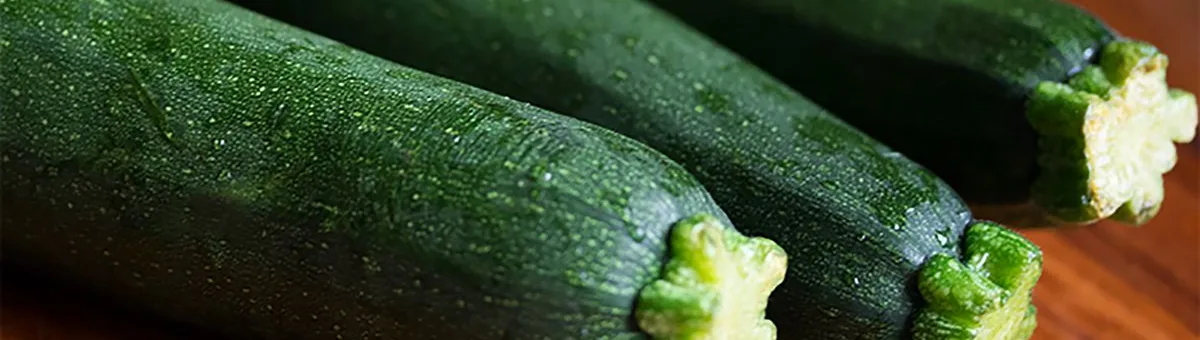
Growing zucchini in containers is one of the most impressive things you can produce in a small space: a single well-cared-for plant in a 15-gallon pot can yield 10–15 pounds of zucchini over the summer season. The challenge is that zucchini is a large plant — it needs a big container, consistent feeding, and understanding of how its flowers work to ensure fruit set. This guide gives you everything you need to succeed with container zucchini even on a small balcony or patio.
Zucchini (Cucurbita pepo) is a warm-season annual that thrives in full sun and heat. It is one of the most productive vegetables per square foot when grown properly — the bottleneck for most container growers is not space or sun, but understanding the male/female flower system and keeping up with the plant's enormous appetite for water and nutrients.
Best zucchini varieties for containers
Choosing a compact or bush variety is non-negotiable for container success. Standard vining zucchini varieties produce 4–6 foot sprawling vines that overwhelm any container and require enormous space. Bush varieties produce the same quantity of fruit on much more compact, upright plants that fit beautifully in a 10–15 gallon pot.
Best compact varieties for containers:
Patio Star is one of the most popular container-specific zucchini varieties: very compact (18–24 inch spread), highly productive, and produces classic dark green fruits. It was bred specifically for container growing and patio gardens.
Bush Baby is a miniature zucchini variety that produces prolifically on 24-inch compact plants. The fruits are smaller than standard zucchini (4–6 inches at maturity) with a sweeter, more concentrated flavor — excellent for stuffing and sautéing.
Astia is a French variety bred specifically for terrace and balcony growing. It produces both zucchini and edible flowers on a very compact plant and has won multiple awards for its productivity in containers.
Eight Ball is a round zucchini variety (rather than elongated) that produces extremely prolifically on compact plants. The round shape makes them ideal for stuffing and they mature at 2–3 inches diameter.
Patio Bush Yellow produces yellow summer squash on compact plants — an excellent choice for adding color variety to a container vegetable garden. Yellow varieties are generally slightly more heat-tolerant than green types.
Container size, soil and positioning
Container size is the factor most home growers underestimate with zucchini. A 5-gallon pot — fine for tomatoes, peppers, and herbs — is completely insufficient for zucchini. The minimum practical container for a single zucchini plant is 10 gallons; a 15–20 gallon container produces dramatically better results with less maintenance.
The reason large containers work so much better for zucchini: the plant's root system is extensive and needs room to develop; larger soil volume retains moisture for longer (critical given zucchini's high water demand); and more soil means more nutrient reserves before depletion. A plant in a 10-gallon container may need watering twice daily in July heat; the same variety in a 20-gallon container needs watering once daily.
Fabric grow bags are the best container type for zucchini: they air-prune roots (preventing the circling root syndrome that limits production in hard-sided containers), naturally prevent overwatering (excess moisture evaporates through the porous fabric walls), and maintain excellent soil temperature regulation. A 10–15 gallon fabric grow bag positioned in full sun is the ideal container setup for zucchini.
Positioning requirements: zucchini demands full sun — minimum 6 hours, ideally 8+ hours of direct sunlight per day. Unlike tomatoes, zucchini does not tolerate partial shade well — yield drops dramatically with less than 6 hours of sun. Position your container in the sunniest spot available, south- or west-facing patios being ideal. In hot climates (desert Southwest, Southern states), afternoon shade can be helpful to prevent heat stress above 95°F.
Potting mix: use a high-quality vegetable potting mix with 20–30% perlite added for drainage. Mix in slow-release fertilizer granules at planting time — zucchini is a heavy feeder and will deplete nutrients quickly. Refresh or completely replace potting mix between seasons to prevent disease buildup.
Top products for growing zucchini in pots
The right container, fertilizer, and seed selection make all the difference for container zucchini success:
Burpee Bush Baby Zucchini Seeds — Compact Variety for Container Growing
- ✓ Compact bush habit — 24-inch spread, ideal for 10+ gallon containers
- ✓ Prolific production: 10–15 fruits per plant over the season
- ✓ Non-GMO, open-pollinated heirloom seeds with high germination rate
- ✓ Ready to harvest in 50–55 days from transplanting
No verified direct Amazon.com listing is linked for this exact model.
Large 10-Gallon Fabric Grow Bag — Premium Container for Zucchini and Squash
- ✓ 10-gallon capacity — minimum recommended size for container zucchini
- ✓ Breathable fabric air-prunes roots for superior plant health
- ✓ Reinforced handles for repositioning heavy planted containers
- ✓ Prevents waterlogging — excess moisture evaporates through fabric walls
No verified direct Amazon.com listing is linked for this exact model.
Espoma Tomato-tone Organic Fertilizer — Excellent for Zucchini and Squash
- ✓ Organic slow-release formula with 3-4-6 NPK — ideal for fruiting vegetables
- ✓ Contains beneficial Bio-tone microbes for enhanced nutrient uptake
- ✓ Use at planting and every 2–3 weeks throughout the growing season
- ✓ Works for all squash, zucchini, cucumbers, and fruiting vegetables
No verified direct Amazon.com listing is linked for this exact model.
Zucchini variety comparison table
Use this table to choose the best variety for your container size and growing conditions:
| Variety | Plant Spread | Min. Pot Size | Days to Harvest | Best For |
|---|---|---|---|---|
| Patio Star | 18–24 in. | 10 gallons | 50–55 days | Small patios, balconies |
| Bush Baby | 24 in. | 10 gallons | 50–55 days | Smaller fruits, stuffing |
| Eight Ball | 24–36 in. | 10 gallons | 50–55 days | Round fruit, stuffing |
| Astia | 20–28 in. | 10 gallons | 48–55 days | Terrace/balcony, edible flowers |
Step-by-step planting guide
- Start seeds indoors 2–4 weeks before your last frost date. Zucchini grows extremely fast and does not benefit from long indoor growing periods — transplanting large seedlings outdoors causes more transplant shock than planting younger starts. Use 4-inch peat pots (zucchini roots are sensitive to disturbance) filled with seed-starting mix. Sow 2 seeds per pot at 1-inch depth; thin to 1 seedling after germination.
- Prepare your container with potting mix amended with 20–30% perlite and slow-release fertilizer granules. Fill to within 2 inches of the rim and water thoroughly. Allow the mix to settle for a day before transplanting.
- Transplant seedlings outdoors after all frost danger has passed and nighttime temperatures are consistently above 50°F. Zucchini seedlings are very frost-sensitive. Choose a calm, overcast day for transplanting to reduce transplant stress.
- Plant at the same depth as the seedling was growing in its pot — unlike tomatoes, zucchini should not be planted deeply. Firm the potting mix gently around the stem base.
- Water immediately after transplanting and daily for the first week. The root system needs consistent moisture while establishing. Avoid wetting the stem (stem rot risk).
- Install a small stake on the downwind side of the plant if your location is windy — zucchini's large leaves act as sails and can cause the plant to rock, disturbing developing roots.
- Begin liquid feeding every 7–10 days once the first true leaves appear. Switch to a high-phosphorus formula when the first flower buds appear to support fruiting.
Watering and fertilizing schedule
Zucchini is among the thirstiest container vegetables you can grow. Its large leaves transpire enormous amounts of moisture in summer heat, and a 10-gallon container can dry out completely in 24 hours during a hot spell. Developing a reliable watering routine is essential for container zucchini success.
Watering frequency: Check soil moisture daily by inserting a finger 2 inches into the potting mix. If it feels dry, water deeply and thoroughly until water drains freely from the bottom. In temperatures above 85°F, you may need to water twice daily. In mild spring weather (below 70°F), every 2 days may be sufficient. Never let the potting mix dry out completely — water stress causes blossom drop and blossom end rot in developing fruits.
Mulching tip: Placing a 2-inch layer of straw, shredded leaves, or wood chip mulch on top of the potting mix dramatically reduces moisture loss and keeps soil temperature cooler. This single step can reduce watering frequency by 30–50% in summer and significantly reduces blossom end rot by moderating soil moisture swings.
Fertilizing program: At planting, incorporate slow-release fertilizer granules into the potting mix. Once the plant is established (2–3 weeks after transplanting), begin liquid feeding every 7–10 days. Use a balanced vegetable fertilizer (10-10-10 or similar) until the first flower buds appear, then switch to a formula higher in phosphorus and potassium (such as tomato fertilizer) to support fruit development. Zucchini's appetite for nutrients is enormous — underfertilized container plants produce dramatically fewer fruits and are more susceptible to pests and diseases.
Hand-pollination: the key to fruit set
Understanding zucchini's flowering system is the most important skill for container growers, particularly in urban environments where natural pollinators may be scarce. Zucchini produces two distinct types of flowers: male flowers appear first (often 1–2 weeks before females) on straight, slender stems with a simple stamen covered in yellow pollen. Female flowers appear later, with a tiny miniature zucchini (the ovary) visible at the base of the flower. Only female flowers, when successfully pollinated, develop into harvestable zucchini.
Signs of pollination failure: The tiny mini-zucchini at the base of the female flower yellows and shrivels within 3–4 days of the flower opening, without developing into a full fruit. This is not a disease or nutrient problem — it is failed pollination.
Hand-pollination technique:
- Identify an open male flower (straight stem, pollen-covered stamen). The best time to pollinate is in the morning, 8–10 AM, when flowers are fully open and pollen is fresh.
- Use a small, clean paintbrush or cotton swab to collect pollen from the center of the male flower. Alternatively, pick the male flower and peel back the petals to expose the stamen directly.
- Transfer the pollen to the center of an open female flower (the stigma, the sticky central structure) by gently dabbing with the brush or using the male flower directly.
- Repeat for each open female flower. Pollinate on multiple consecutive mornings for the best fruit set.
If you have more than one zucchini plant in containers, bees and other insects will often handle pollination naturally as they move between plants. A single isolated container plant in an urban environment is the situation most likely to require hand-pollination.
Common problems and solutions
Blossom drop without fruit: pollination failure — hand-pollinate as described above. Blossom end rot (dark sunken spot on the end of developing fruits): caused by calcium deficiency triggered by inconsistent watering. Fix by watering more consistently and mulching to moderate moisture swings. Powdery mildew (white powdery coating on leaves): very common in zucchini, especially in late summer. Improve air circulation, avoid overhead watering, and apply a diluted baking soda spray (1 tablespoon per gallon of water) or neem oil spray at the first sign of infection. Powdery mildew rarely kills the plant but reduces photosynthesis and yield. Vine borers: not applicable to container growing (they overwinter in ground soil). Squash bugs: handpick egg clusters (bronze/copper-colored eggs in neat rows on leaf undersides) and adult bugs in the morning when they are sluggish. Apply neem oil spray as a preventive measure. Stem rot at soil level: caused by overwatering or soil that stays too wet. Ensure excellent drainage and avoid wetting the stem base when watering.
Harvest guide: when and how
Harvesting at the right time is critical for both fruit quality and continued plant productivity. Zucchini that is left on the plant too long becomes seedy, develops a spongy texture, and signals the plant to reduce or stop production — the plant's biological priority shifts from producing new fruits to maturing the large fruits already on the vine.
Ideal harvest size: 6–8 inches long for standard green zucchini; 2–3 inches diameter for round types like Eight Ball. At this size, seeds are small and barely detectable, skin is tender, and flavor is at its peak. Fruits at this stage cook faster, have better texture, and taste sweeter than overgrown ones.
Harvest frequency: During peak production (mid-summer), check your plants every 1–2 days. A zucchini can grow from 3 inches to 12 inches in just 4–5 days in warm weather. Develop the habit of daily checking during the most productive weeks. Harvesting frequently (every 2–3 days) is the single most effective way to maximize total season yield.
Harvesting technique: Use a sharp knife or pruning shears to cut the fruit stem cleanly, leaving about 1 inch of stem attached to the fruit. Never pull or twist fruits off the vine — this damages the stem junction and creates entry points for disease. Make clean cuts to minimize plant stress.
Edible flowers: Zucchini flowers are a culinary delicacy, particularly popular in Italian and Mexican cuisines. Harvest male flowers (with the slim stem, no fruit) in the morning when fully open. Leave at least 2–3 male flowers open at all times for natural pollination. Female flowers can also be harvested before they open (with the tiny fruit attached) for stuffed zucchini flower recipes. Harvest flowers early in the morning for the freshest quality.
Explore more container vegetable guides in the complete Vegetable Garden hub.