

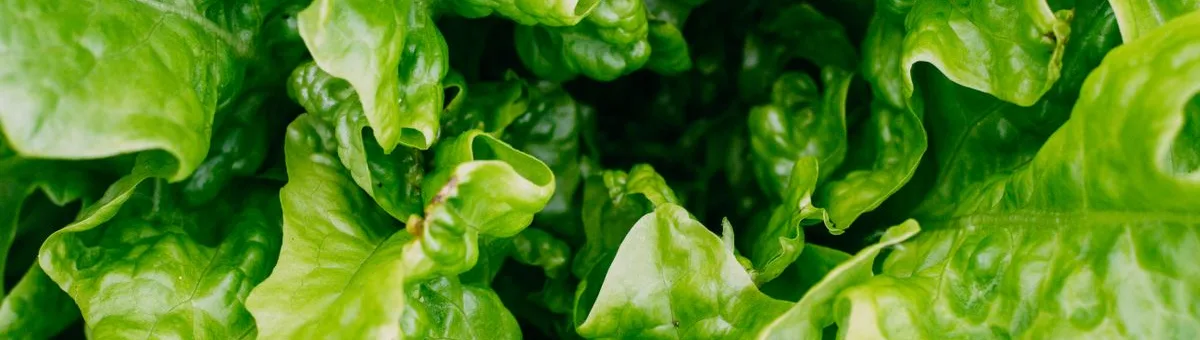
Growing lettuce in pots works well for many leaf types, but heat, variety, pot volume and moisture affect results. Choose a cultivar and container for the season and harvest you want. Follow the seed packet for spacing and maturity, then check the regional examples below.
Illinois Extension lists several container-friendly lettuce cultivars and a one-gallon container example for leaf lettuce. Use this as a starting reference, not a promise of identical harvests in every climate.
Choose lettuce for season and harvest style
Choose the harvest style before choosing a packet. Loose-leaf types suit repeated picking of outer leaves; butterhead and romaine types form more defined heads and need enough space to mature. A packet may describe a variety as slow to bolt or adapted to a particular season. Treat these as selection clues, not a promise that it tolerates every hot spell. Compare packets from suppliers serving your region and record cultivar name, sowing date and first usable harvest. Utah State University Extension’s lettuce guide explains growth and harvest considerations; its climate examples should be adapted locally.
For a small household, sowing modest amounts at intervals is usually easier to manage than filling every pot at once. Follow the packet’s spacing and local sowing window. If the first sowing becomes bitter or bolts before it can be used, adjust the next sowing date or select a different cultivar. Adding fertilizer will not reverse heat-induced bolting. Compare the growing habit as well: a compact plant may fit a narrow window box, while a broad leaf type needs room to avoid crowding.
Leaf lettuce is a practical container choice. Illinois Extension lists Salad Bowl, Red Sails, Black Seeded Simpson, Buttercrunch and Oakleaf as examples. Choose by local availability, preferred leaf type and the season in which you plan to grow it; check heat tolerance and maturity on the packet.
For repeated harvests, sow a small amount at intervals suited to your local season rather than planting more than you can use at once.
Choose container volume, drainage and placement
Think of the pot as a small root environment, not merely a holder. A broad, shallow planter can suit leaf lettuce if usable medium volume and spacing are adequate; a deeper vessel may buffer moisture changes. Check that drainage holes are open and do not let roots sit in standing water. In a shared pot, the growing area and packet spacing matter more than the outside diameter alone. Keep enough space to water without washing seed or seedlings out of place.
Choose the location before sowing. Morning sun with protection from strong afternoon heat may extend the harvest in a warm site; in a cool or cloudy location, brighter exposure may matter more. Wind on a balcony or roof can dry containers and damage delicate seedlings. Observe the site at different times of day before committing. If the only available position is hot, consider a cooler growing season rather than assuming shade alone will keep lettuce productive.
Use a container with drainage and enough medium for the chosen planting density. Illinois Extension lists leaf lettuce in a one-gallon container as a starting example; a wider pot can offer more growing area. Use a container medium intended for vegetables and place it where the cultivar receives appropriate light.
Containers dry at different rates with sun, wind and weather, so check moisture regularly and let excess drain. See Illinois Extension’s container vegetable table.
Supplies to plan before sowing
- A clean pot with drainage and enough volume for the planned number of plants.
- Container growing medium labeled for vegetables.
- Seeds whose packet includes cultivar-specific spacing and seasonal guidance.
- A gentle watering attachment if the seed surface is easily disturbed.
Compare products by dimensions, drainage, material and weight when filled; this page does not rank tested products.
Use a cultivar-specific comparison
Rather than assigning universal “best” ratings, compare the seed packet’s leaf type, heat tolerance, maturity range, spacing and recommended sowing season. Illinois Extension’s list of container examples is regional; seed lots and local conditions vary. Track sowing date and harvest quality to learn which cultivar suits your site.
See Illinois Extension’s container guide and follow the named cultivar’s packet.
Sow and maintain lettuce in a pot
Seed is small, so level, pre-moistened medium makes even sowing easier. Make shallow rows or scatter sparingly, cover only as the packet directs and press gently for seed contact without compacting the pot. If sowing is dense, thin as soon as seedlings are manageable instead of waiting until leaves overlap. Thin to the packet’s spacing, because crowded seedlings compete for light, moisture and room. Keep labels with cultivar and date; “lettuce” alone is not enough if several sowings share a patio.
During emergence, inspect the surface regularly and adjust to actual moisture. A temporary clear cover may slow drying, but ventilate it and remove it as sprouts appear. After emergence, give seedlings the light recommended for the crop; warmth cannot compensate for a dim location. Reuse a pot only after checking the old medium and removing roots. If the previous crop had disease or heavy pest damage, clean the container and use local sanitation guidance before replanting.
- Fill a clean container with vegetable container medium and water it so the surface is evenly moist.
- Sow at the packet depth and spacing; avoid covering seed more deeply than directed.
- Keep the seed zone moist while seedlings emerge without leaving the pot waterlogged.
- Thin or harvest seedlings to the spacing on the packet.
- Check moisture in the root zone and move the pot if heat or shade is affecting growth.
Harvest leaves without exhausting the plant
Harvest method depends on cultivar and plant size. For loose-leaf lettuce, remove a few mature outer leaves and leave the central growing point and enough healthy foliage for continued growth. If you want a whole head, cut it when it reaches the stage described by the packet. A plant sending up a flowering stalk is bolting; the leaves may become less pleasant, and repeated cutting will not restore the earlier stage. Do not strip every leaf if you expect regrowth.
Harvest in the cooler part of the day when practical, use clean scissors and chill leaves promptly. Wash produce under clean running water before eating and dry it well for storage. Keep a note of how many portions a pot supplied and how long leaves remained good to eat. This practical record helps plan future sowings better than yield claims that cannot account for local weather, plant density or household use.
Many leaf lettuces can be harvested by taking outer leaves while leaving the central growing point intact, if the cultivar is suited to that method. Use clean hands or scissors and avoid removing more foliage than the plant can replace. Follow packet guidance and stop harvesting if the plant bolts or declines.
Adjust planting to local weather
Use a simple decision point when temperatures rise: if plants repeatedly bolt before you can harvest, shift sowing earlier or later according to the regional calendar and choose a cultivar described for warmer conditions. Do not keep resowing at the same date and expect a different result. When moving a pot into shade, check whether the new position still receives the light needed for sturdy growth. A temporary move can help with a brief heat spell, while a permanently dark corner can produce weak leaves.
When sowing in autumn, allow enough time for the chosen cultivar to establish before cold weather and confirm whether the container can be protected. Soil in a pot cools and warms faster than garden soil. For any schedule, compare local weather records and Extension advice; latitude, elevation and city heat islands make month-based recipes unreliable.
Lettuce is commonly grown as a cool-season crop, but the workable window depends on local temperatures, day length, cultivar and microclimate. A sunny balcony beside a heat-reflecting wall behaves differently from a sheltered garden bed. Use regional sowing calendars and weather observations together. In mild climates, more than one seasonal window may be possible; where summers are hot, a spring or autumn crop can be more dependable than trying to keep a summer planting productive.
When warm weather arrives, move pots only if the new position still provides appropriate light and airflow. Partial shade can reduce exposure, but deep shade may weaken growth. If a crop repeatedly bolts early, change the timing or cultivar and record the result instead of treating bolting as a watering problem alone. Local Extension advice is especially useful for identifying the transition between spring and autumn sowing windows.
Lettuce is generally grown in cooler conditions, but sowing windows differ by climate and cultivar. Check a local Extension calendar, use the packet’s temperature advice, and consider partial shade or another crop when heat arrives. Do not use a national month or fixed light-hour threshold as a universal rule.
Troubleshoot by checking heat, moisture and pests
Use edible-crop hygiene when harvesting from a container shared with pets or high-traffic areas. Keep soil and splash away from leaves, wash hands and tools, and discard produce that may have contacted animal waste or an unsafe pesticide. Follow local food-safety advice if the pot sits near a compost heap or an area where runoff collects. Move the container if contamination is likely rather than trying to wash away an unknown hazard.
Slugs, aphids and leaf miners may all leave different signs. Look beneath leaves, around the rim and under the pot; inspect before using a treatment. Remove visible pests by hand when practical and use physical barriers only if they can be kept clean and do not trap heat or moisture. For repeated damage, identify the pest through a regional Extension source and follow integrated pest-management guidance. Always check a pesticide label for edible lettuce, application timing and harvest interval.
Separate symptoms from causes before changing several things at once. A wilted plant may be dry, waterlogged, root-bound or affected by heat; feel the medium below the surface and check that drainage works. Pale growth can relate to light, nutrition, root health or natural aging. Leaf holes, distorted tips or sticky residue call for inspection of both leaf surfaces and nearby plants. Photograph uncertain symptoms and ask a local Extension service or qualified plant clinic to identify them before using a pesticide.
For leaf disease concerns, reduce prolonged leaf wetness where practical, improve airflow and remove affected plant material according to local advice. Avoid keeping lettuce in standing water or letting foliage become dense and overgrown. Do not eat leaves with unexplained contamination or chemical exposure. A short log of weather, watering, cultivar and symptom onset often reveals a pattern and prevents interventions that may make the problem worse.
Bitter leaves: heat, stress, maturity and bolting can all affect flavor; harvest promptly and choose a suitable season. Weak seedlings: check light, sowing depth and seed-zone moisture. Leaf damage: inspect for pests and ask Extension if identification is uncertain. Wilting: check root-zone moisture and drainage before watering again.