

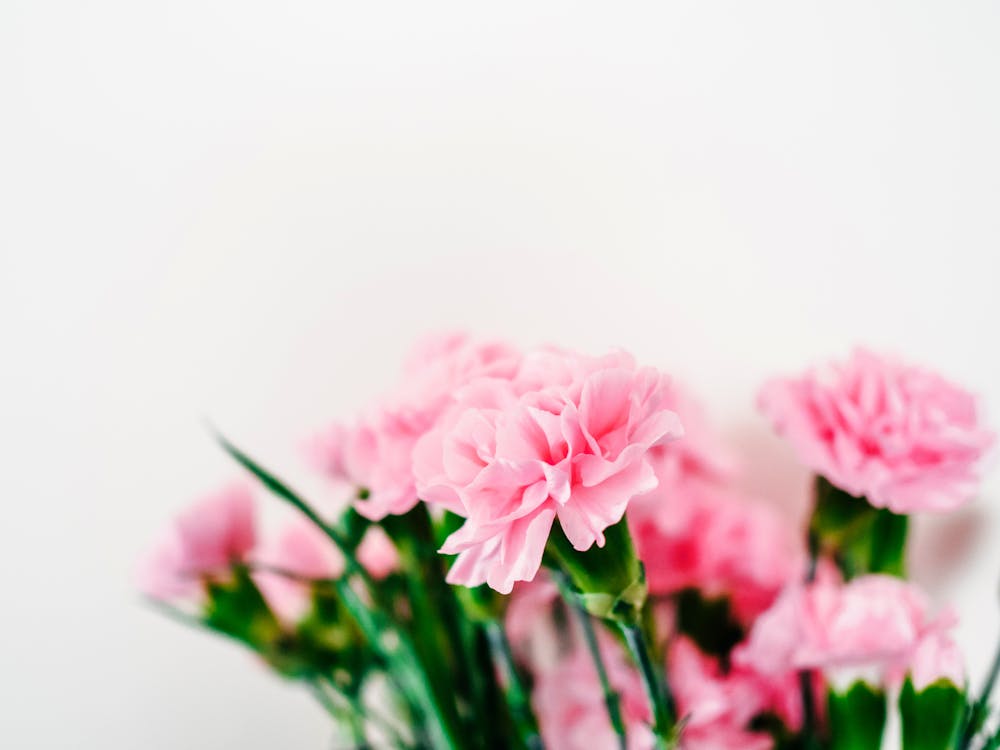
Identify the dianthus before planting
Use D. caryophyllus when you want the familiar carnation flower, and compare nursery cultivars for height, fragrance, and hardiness. Sweet William is commonly grown as a short-lived perennial or biennial, while many China pinks are treated as annual bedding plants. These are tendencies, not guarantees: cultivar and climate determine whether a plant returns. NC State Extension’s profile describes carnation for sunny borders and patio containers.
Give plants sun and drainage
Choose a bright site with soil that drains after rain. If a bed stays wet, improve the site or use a raised bed rather than adding amendments to each planting hole by guesswork. In a pot, use a free-draining container mix and open drainage holes. Space plants according to the cultivar label so foliage is not crowded.
Water, prune, and troubleshoot
Water newly planted dianthus while roots establish. After that, check soil moisture and rainfall; avoid prolonged drought as well as waterlogged roots. Remove faded flowers if you want a tidy display or continued flowering, and cut away dead or diseased material with clean tools. If leaves develop spots, yellowing, or distortion, check drainage, watering, crowding, and plant identity before applying any treatment. Do not use homemade sprays or routine pesticides without a diagnosis and label directions.
For cut flowers, use clean tools and a clean vase with fresh water. Vase life varies with cultivar and indoor conditions, so a fixed number of days would be misleading. In cold regions, follow cultivar hardiness information and local extension advice instead of assuming all carnations overwinter outdoors. See also Penn State Extension’s planting guidance.
Seasonal care and overwintering
After the main flush, remove dead stems and inspect the crown for signs of persistent wetness or rot. Before winter, use the cultivar’s hardiness rating to decide whether the plant can stay outside, needs a sheltered spot, or should be treated as seasonal. Do not lift or cut every dianthus the same way: border carnations, Sweet William, and bedding hybrids have different habits. If you are unsure which plant you have, compare the botanical name with the NC State Extension profile before pruning.
Harvest stems for a vase
Cut a few stems with clean shears when flowers are opening, and remove leaves that would sit below the water line. Recut stems and change vase water regularly. If a plant produces short stems, treat it as an ornamental border plant rather than expecting florist-length stems; cultivar selection and growing conditions determine stem length.
Choose dianthus for the job and the site
Before buying carnations, decide whether you want a compact edging plant, a fragrant border, or long stems for cutting. The word “carnation” on a shop label is not enough to predict height or winter behavior. Check the botanical name, mature size, flowering period, and whether the grower describes the plant as annual, biennial, or perennial. For a mixed border, combine plants with similar light and drainage needs instead of placing a moisture-loving neighbor beside a dianthus that prefers a drier crown.
| Plant type on the label | Useful question | What to plan for |
|---|---|---|
| Dianthus caryophyllus | Is it a florist or garden cultivar? | Compare stem length, fragrance, and local hardiness before reserving a cutting bed. |
| D. barbatus (Sweet William) | Is the cultivar expected to self-seed or return? | Allow space for a biennial or short-lived perennial habit and keep its seed heads only if desired. |
| D. chinensis (China pink) | Is it sold as seasonal bedding or a longer-lived plant? | Use the nursery label for local seasonal expectations and container suitability. |
Use a plant label as a starting point, not a universal guarantee. A cultivar that overwinters in one region may fail in another because of cold, winter wetness, or summer humidity. Ask a local extension service or reputable nursery which named selections have performed in your area. If the label omits the botanical name, photograph the plant and keep the seller’s description so you can confirm its identity before following species-specific advice.
A practical seasonal care routine
At planting: loosen a broad area rather than digging a narrow pocket in compacted soil. Set the root ball level with the surrounding soil, firm gently, and water it in. Keep the crown uncovered. A deep planting or mulch piled against the center can hold moisture where stems meet the roots. Label rows or groups with the cultivar and planting date; that simple record makes it easier to interpret winter survival and flowering later.
During active growth: check soil before watering. Newly planted dianthus needs consistent moisture while roots establish, but established plants should not sit in soggy ground. Water at soil level when practical, especially during humid weather, so foliage dries quickly. Remove faded flowers if a tidy display or continued flowering is the goal. If you want seed, leave a few healthy heads and collect them only after they mature; seedlings may not resemble named parent cultivars.
At season’s end: remove diseased leaves and spent stems, but do not cut every plant down solely because the calendar says autumn. Confirm the type and local overwintering advice first. A layer of mulch can buffer temperature swings where recommended, but keep it loose and away from the crown. In a container, move a tender cultivar to a protected location only after checking its light needs and cold tolerance; a warm, dark room is not a substitute for suitable winter conditions.
For a new bed, plant small groups rather than a single long row. This gives you a chance to compare how different dianthus types respond to the same site without assuming that one result applies to all cultivars. Note which plants stay compact, which need more airflow, and which produce useful cut stems. Keep the record for the next planting season instead of adding fertilizer or changing the entire bed after one disappointing flush.
Diagnose common dianthus problems before treating
Look at where symptoms begin, how quickly they spread, and what changed recently. One yellow leaf at the base is different from widespread collapse after heavy rain. Check the crown, soil, and leaf undersides; compare affected plants with healthy neighbors. Clean pruning tools between plants if you remove diseased tissue, and put suspect material in household waste rather than compost when a disease is possible.
| What you see | First checks | Low-risk next step |
|---|---|---|
| Soft or dark stems at the base | Does water stand around the crown? Is the plant planted too deeply? | Improve drainage, uncover the crown, and remove badly rotted material with clean tools. |
| Long, weak growth with few flowers | Has shade increased? Is the plant crowded or overfed? | Improve light where possible, thin crowded growth, and avoid unneeded nitrogen. |
| Spots or gray growth on leaves | Are leaves staying wet? Is air movement poor? | Remove affected foliage, water soil rather than leaves, and confirm a diagnosis locally. |
| Chewed edges or distorted new tips | Can you find insects, eggs, or slime trails? | Identify the pest before selecting a control and follow any product label exactly. |
This table helps narrow observations; it cannot identify a pathogen from appearance alone. If symptoms keep spreading, use a local plant diagnostic service and provide clear photos of the whole plant, crown, and leaf detail. Do not apply a pesticide just because a product claims to treat “flower problems”: the label must name the pest and plant, and local restrictions still apply. Avoid homemade soap, oil, or vinegar mixtures that can burn leaves.
Renew the planting and plan companions
Dianthus is easiest to maintain when plants have enough room to dry after rain and when the bed has a clear edge for weeding. Leave the mature spacing on the tag, then adjust only if local experience shows the cultivar spreads more or less. Gravel mulch can keep soil from splashing onto foliage in some beds, but it does not fix poor drainage below the surface. Keep an organic mulch thin around the outer root area and away from stems.
Choose companion plants that accept similar sun and drainage, and avoid making a solid wall of foliage around the dianthus. Low-growing herbs or compact perennials can make a visual transition, while taller plants belong far enough away not to shade the flowers. When comparing companions, check mature width rather than the size of the nursery pot. This prevents a small new perennial from becoming an airflow problem once it fills the bed.
If a dianthus clump is declining, first decide whether its expected life cycle has simply ended. Replace an annual or short-lived plant as needed; do not keep dividing a type that does not respond to division. For named cultivars that are suitable for propagation, follow the grower’s or extension guidance for cuttings. Label each cutting and keep it out of harsh midday sun until roots establish. This lets you renew a favorite without treating every species as interchangeable.
Propagate selected dianthus without losing track of the cultivar
Seed is useful when you want a broad seasonal display and are comfortable with natural variation. Seedlings from a named hybrid may not keep the parent’s exact flower color, fragrance, or growth habit. If a particular cultivar matters, ask the grower whether it is usually propagated by cuttings or another vegetative method. Do not assume that a flower’s seed will produce an identical copy.
For seed-grown plants, keep the species name and source label with the packet. Follow the supplier’s instructions for sowing depth and temperature, because germination requirements can differ among dianthus types. Use a clean seed tray and a well-draining medium, then provide adequate light after seedlings emerge so they do not become weak and stretched. Harden young plants gradually before moving them outdoors, and transplant only when local conditions suit the species.
For cuttings, use healthy non-flowering shoots from a correctly identified parent plant. Take several small cuttings rather than removing a large section from one stem. Use clean tools, keep leaves above the propagation medium, and label every cutting with the cultivar and date. Maintain even moisture without waterlogging, and provide bright filtered light while roots form. Discard cuttings that show soft rot or pest damage rather than keeping them beside healthy plants.
Before propagating a large number, try a few cuttings and record the result. Differences in humidity, temperature, and cultivar affect success, so a method that works for one plant may not work identically for another. Once rooted, pot cuttings separately until they can be handled without pulling them from the mix. Plant them at a spacing based on mature width and note which site gave the strongest growth.
This approach is especially useful when replacing a plant that has become woody or when a favorite compact cultivar is not readily available. It also provides an opportunity to compare flowering under different bed conditions. Keep propagation within the cultivar’s legal and grower terms; some named selections may be protected. For any disease concern, do not take cuttings from the affected plant.
Adjust dianthus care to humidity and winter wetness
Cold tolerance is only one part of choosing a dianthus for a garden. A cultivar may withstand low winter temperatures but still decline where rain keeps the crown wet for long periods. In humid climates, prioritize spacing, drainage, and airflow. In dry climates, young plants and container plants may need closer moisture checks while roots establish. Use local nursery or extension recommendations for the named selection rather than a generic hardiness label.
If a border has repeatedly lost plants during winter, note whether failure occurs in low spots or across the whole bed. Localized loss points toward drainage or a microclimate; widespread loss may suggest an unsuitable cultivar or a seasonal issue. Replant a small trial group in a better-drained position before replacing the entire border. Keep the cultivar labels so you can compare results accurately next season.
Likewise, avoid assuming that a sunny site is always beneficial in an extreme heat wave. Monitor newly planted dianthus and pots that sit beside reflective walls or paving. If leaves scorch after a sudden heat event, provide temporary relief where appropriate and reassess placement. Do not compensate for heat with continually wet soil; roots still need drainage.