

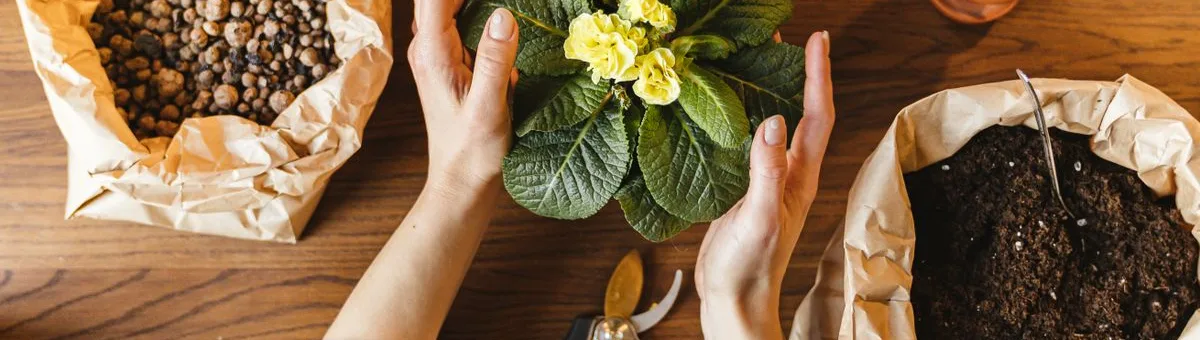
Separate garden soil from container media
Garden soil belongs to the planting bed, where its structure and drainage depend on the whole site. A pot is a different root environment: its medium must hold usable moisture while allowing air and excess water to move through the container. Ordinary garden soil can compact when used by itself in pots, so choose a growing medium labelled for container use unless a reliable plant-specific source advises otherwise.
The University of Illinois Extension guide to container soil explains why growing media, containers and plant needs must be considered together. For beds, compare texture, structure and soil-test results in our separate garden soil guide.
Compare common growing media
| Use | What to look for | Useful caution |
|---|---|---|
| Container plants | A mix labelled for pots and suited to the plant | Formulations differ; read ingredients and fertilizer directions |
| Seed starting | Fine, even medium and seed-specific instructions | Young seedlings may need transplanting into another medium |
| Cacti and succulents | A product or recipe intended for the species and watering conditions | “Cactus mix” labels vary; check the composition and drainage |
| Garden bed | Existing soil and a measured understanding of the site | Do not replace or amend a bed based only on a bag label |
Ingredients such as bark, coir, perlite and vermiculite are used in different combinations; their proportions and effects vary by product. Explore the separate guides to perlite and vermiculite before changing a mix. A product name alone is not a standard formula.
Choose a mix for the plant and container
Start with the plant’s moisture and root requirements, then account for the pot’s depth, drainage, material and location. A small pot in sun and wind may dry differently from a large indoor planter. Check the label for intended plant use and whether fertilizer is already included. Penn State Extension’s container gardening guidance covers the role of medium, water and container together.
- Identify the plant and read a trusted growing guide for its moisture and drainage needs.
- Confirm the container has open drainage holes and a way to catch runoff.
- Compare the mix label with the plant and container; note any fertilizer already present.
- Moisten dry mix gradually and fill without packing it tightly.
- After planting, observe how quickly the root zone dries in its actual location.
For a specific container product or use case, continue to our guides to potting mix or cactus soil.
Test drainage and wetting before planting
Before filling multiple containers, test a small quantity in one representative pot. Water slowly and observe whether the mix wets evenly, drains from the outlet and settles to a usable level. If water runs down a gap while the centre remains dry, check whether the mix is too dry, packed, or needs gradual pre-moistening according to its instructions.
Do not use gravel at the bottom as a substitute for drainage holes. Confirm that the pot outlet is open and that the surface beneath it allows water to escape. Leave a little space below the rim for watering, but do not compress the medium to fit more into the pot.
Diagnose problems before adding amendments
Yellow leaves, slow growth and wilting do not identify one specific nutrient or mix problem. Check moisture below the surface, drainage, root condition, light and recent changes first. If the bag includes fertilizer, follow its label before adding another feed. Avoid adding lime, acidifiers or fertilizer just because a plant looks unwell; changes should follow an identified need and reliable guidance.
If symptoms persist, identify the plant and compare its care with a university extension source or a recognised horticultural authority. Change one factor at a time so you can tell whether the adjustment helped.
Reuse or replace growing media carefully
Reusing medium depends on the previous plant’s health and how the mix behaves now. Do not reuse material from a container with a serious pest or root disease problem. Discard or refresh mix that has collapsed into a dense mass, drains poorly or has been contaminated. For healthy plants, follow local horticultural sanitation advice and consider that organic ingredients break down with use.
Store unused bags covered and follow the maker’s directions. Keep growing medium away from storm drains and waterways. For broader growing topics, return to the plants guide; for garden-bed texture and soil testing, see garden soil types.
Read the bag label before buying
Look for the intended use, plant groups, ingredients, whether fertilizer is included and directions for pre-moistening, watering and storage. Similar product names can describe different formulations, so compare actual labels rather than choosing only by words such as “premium,” “organic” or “universal.” If a mix is sold for seedlings, check how long it is intended to support them and when the instructions call for transplanting or feeding.
Check volume and storage as well. A bag’s stated capacity may not equal the pot’s exact inside volume, and a large container can require more mix than expected. Keep unused medium covered and follow the product’s storage instructions so it does not become wet, contaminated or difficult to handle.
Understand what ingredients can and cannot tell you
Growing media may contain bark, coir, composted materials, mineral components or fertilizer, but a list of ingredients does not automatically show how a finished mix will behave. Particle size, proportions, processing and moisture at the time of use also matter. Perlite and vermiculite are amendments with different roles; they are not interchangeable recipes. Read our separate guides to perlite and vermiculite for those specific materials.
Some mixes include a starter fertilizer, while others do not. If nutrients are included, record the product instructions before adding another fertilizer. Avoid changing pH or adding amendments without a diagnosed need and plant-specific advice. Illinois Extension notes that container media should provide a balance of air, moisture and drainage; this is why the same additive can behave differently in different blends.
Peat-free formulations can vary widely. Follow each manufacturer’s directions for wetting and watering rather than assuming all such products behave alike. If water initially runs along the side of a very dry root ball, moisten gradually and check whether the full medium is taking up water.
Match a growing medium to the planting scenario
| Scenario | Selection check | Related guide |
|---|---|---|
| Houseplant repotting | Container-labelled mix, drainage and species-specific moisture needs | Indoor plants |
| Seed tray | Seed-starting instructions, fine texture and timing for transplanting | RHS seed-sowing guide |
| Cacti or succulents | Specific mix label, drainage design and watering practices | Cactus soil |
| Herbs in pots | Container use, drainage, herb water needs and pot depth | Aromatic plants |
| Garden bed | Existing soil texture, drainage, pH and test results | Garden soil types |
For containers, the pot is part of the medium decision. A deep planter, a shallow bowl and a small nursery pot do not hold the same volume or dry in the same way. Confirm that drainage holes remain open, choose a size appropriate to the root ball and leave a watering lip below the rim.
Observe the first watering and settling
After filling a test pot, water slowly and watch the whole surface. A suitable medium should wet through and allow excess water to leave the container. If water bypasses the centre, check whether the mix is dry, packed too firmly or needs pre-moistening according to its label. If water pools at the top, check for compaction and confirm that drainage holes are clear.
Let the pot drain and note how much the mix settles. Top up only if roots remain covered and the pot still has space for water. Do not press the medium tightly to fit more volume; compaction reduces the air spaces roots need. Wait before judging how often to water: observe the medium at root depth in the actual room or outdoor location.
This small trial helps compare products without changing several variables at once. Keep the mix name, container size, plant and date in your notes. If the medium stays wet or dries unusually fast, check plant needs, pot size, drainage and light before adding amendments. For detailed container guidance, use the Illinois Extension soil guide and Penn State’s container gardening guide.