

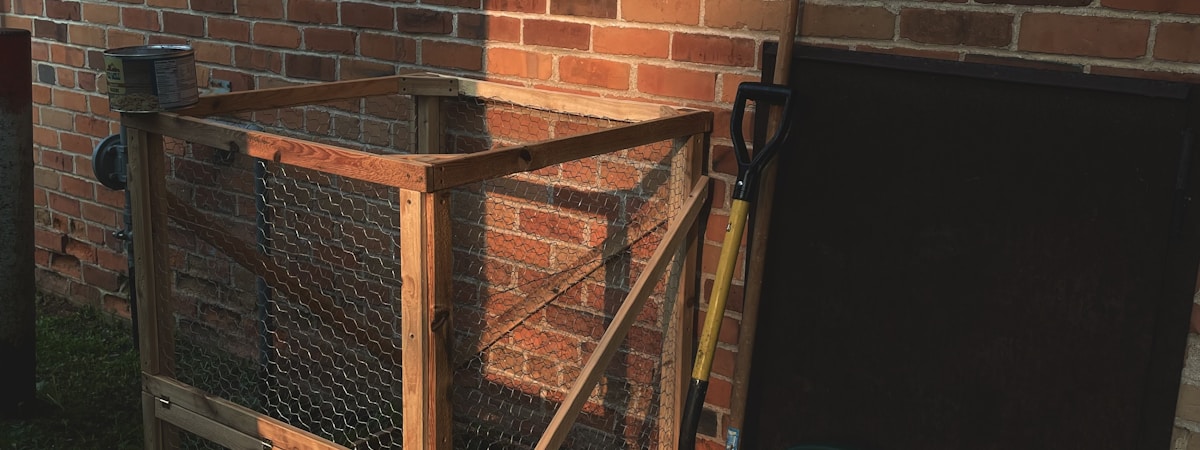
What composting does—and what it does not do
Composting recycles suitable organic material and produces a soil amendment. Finished compost can improve soil structure, but it is not a complete fertilizer and does not replace a soil test. Use compost only when mature and appropriate for the crop.
Choose suitable inputs for a backyard pile
A basic backyard pile can take many plant-based kitchen and garden materials, such as fruit and vegetable scraps, dry leaves, small prunings and uncoated paper or cardboard. Mix moist, nitrogen-rich inputs (“greens”) with dry, carbon-rich inputs (“browns”); Utah State Extension suggests roughly two to three parts browns to one part greens by volume as a starting point. Adjust based on moisture and odor.
For a simple home pile, avoid meat, dairy, oily food, pet waste and diseased plants unless your local system and guidance specifically support them. Local collection programs may accept different materials.
Sort compost materials before adding them
A sorting station prevents a common beginner problem: adding an item because it is organic without checking whether the chosen system can process it. Keep dry browns such as leaves and shredded uncoated paper nearby, and collect plant-based food scraps in a covered container. Chop bulky inputs into smaller pieces when practical so they have more surface area for decomposition. Avoid adding soil, plastic-lined paper, produce stickers or coated materials unless the specific system accepts them.
| Material | Backyard pile guidance | Reason to check first |
|---|---|---|
| Fruit and vegetable scraps, coffee grounds, crushed eggshells | Common inputs; bury or cover food scraps with browns. | System capacity, pests and local collection rules. |
| Dry leaves, small twigs, uncoated paper or cardboard | Useful browns; shred or break large pieces when possible. | Glossy, plastic-coated or chemically treated material is different. |
| Grass clippings and fresh green plant matter | Add in modest layers and mix with dry browns. | A thick wet layer can compact, smell and exclude air. |
| Meat, fish, dairy, oils, pet waste or cat litter | Do not add to an ordinary backyard pile. | Odor, animal attraction and pathogen risk; specialized systems have different rules. |
| Diseased plants, invasive weeds with seed, or herbicide-treated clippings | Use only when local guidance and the compost process support it. | Home piles may not reliably destroy pests, seeds or herbicide residues. |
EPA’s home composting guide distinguishes backyard composting from commercial collection and lists typical inputs and materials to avoid. When using a community bin, follow that program’s accepted-items list rather than assuming home-pile rules are the same.
Choose a composting method that fits the household
- Static backyard pile or bin: suitable for mixed yard material when space is available; decomposition is gradual and depends on conditions.
- Tumbler: enclosed and easier to turn, but batch size, loading and aeration rules depend on the model.
- Worm bin: suited to some indoor or small-space settings; it has specific temperature, moisture and feed limits.
No method guarantees a fixed finished date. Check system guidance and local waste rules before choosing.
Set up and maintain a simple pile
- Choose a level, accessible location that complies with local rules and will not block drainage.
- Start with a layer of coarse browns, then add chopped greens and dry browns in batches.
- Keep the pile damp like a wrung-out sponge, not saturated. Add dry material if it is wet or odorous.
- Turn or mix when the system needs more air; a passive pile can be managed differently from a hot-compost method.
- Continue adding suitable material and inspect moisture, airflow and pest access.
Utah State Extension explains browns and greens, moisture and aeration in its composting guide.
Think of browns and greens as a practical balance, not a precision formula. A larger share of browns helps absorb a wet batch; adding a small amount of greens can help a dry, woody pile, but a household pile does not need to be weighed or chemically balanced. Keep a supply of dry leaves to cover each new layer of food scraps. This reduces exposed food, helps control odor and supports air spaces between wetter materials.
A static pile can break down without frequent turning, but it usually takes longer and its contents may not heat evenly. Turning can introduce oxygen and move outer material toward the warmer center, yet turning every day is unnecessary for many home systems. Use the method that matches the bin instructions and your available time. Hot-compost methods require adequate pile size, moisture and management; do not claim that a small cool pile sanitizes weeds, diseased plants or manure.
Troubleshoot odor, pests and slow breakdown
Strong odor or wet material: check for excess moisture or too many wet inputs, then add dry browns and improve aeration as appropriate. Dry pile: add water gradually and mix. Visible pests: bury or cover food scraps with browns, close the bin and check local guidance. Slow breakdown: review moisture, pile size, material size and aeration; time varies with system and weather.
| What you notice | Likely condition to check | Low-risk adjustment |
|---|---|---|
| Sour or rotten odor | Too wet, compacted or loaded with wet greens. | Add dry browns, loosen or turn if your system allows, and check drainage. |
| Pile feels dry and unchanged | Not enough moisture or little active green material. | Add water gradually while mixing; avoid soaking the bin. |
| Fruit flies or animals | Food scraps are exposed, the lid has gaps or the system accepts too much food at once. | Bury scraps, cover with browns, close openings and remove restricted items. |
| Some pieces remain recognizable | Large or woody pieces, a cool pile or uneven moisture. | Screen finished material; return coarse pieces to the active pile. |
A temperature reading can help monitor a managed hot pile, but it does not by itself prove every part reached a sanitation temperature for long enough. Turn and cure according to the method’s reliable instructions. If you cannot verify that a process handles weeds, pathogens or manure, keep those materials out of a home compost intended for food beds.
Know when compost is ready by its condition
Compost is generally ready when it is dark, crumbly and earthy-smelling and most original inputs are no longer recognizable. Temperature and appearance alone do not guarantee maturity or pathogen control. Let coarse pieces continue decomposing and follow local advice before using compost on sensitive crops.
Use finished compost as a soil amendment
Finished compost can be incorporated into garden soil or used as a surface amendment in amounts suited to the crop and local soil guidance. It can add organic matter, but its nutrient content varies with feedstocks and process. It is not automatically a complete fertilizer, a sterile potting mix or a substitute for a soil test. Excess compost or manure can contribute nutrients and soluble salts beyond a plant’s needs, so do not add a thick layer each year without considering what is already in the bed.
For seedlings, sensitive houseplants or edible crops, use mature, well-finished compost and follow crop-specific recommendations. A pile that still contains recognizable scraps, heats after mixing or smells strongly may need more time to finish or cure. Screen out coarse pieces and return them to the active pile. EPA’s guidance on using finished compost explains amendment and mulch uses; local recommendations should determine amount and placement for a particular site.
Compost is also a useful way to return suitable leaves and plant residues to the garden, but it should not be treated as a disposal route for every kind of waste. Check local rules for yard debris, diseased plants, invasive weeds, treated wood and food scraps. If your household cannot maintain a pile safely, municipal collection may be a better route than an unmanaged heap.
Check compost readiness before using it in the garden
Finished compost should be stable enough for the planned use, not simply old enough to have sat in a bin. Look for material that is dark and crumbly, has an earthy smell and no longer contains recognizable soft food scraps. Coarse pieces of twig or eggshell may remain and can be screened or returned to the pile. If the batch is still warm, smells strongly of ammonia or rotting food, or contains fresh scraps, continue curing or managing it rather than spreading it around sensitive plants.
A backyard pile may have cool edges and an active center. Turning can mix materials and restore air when the system is designed for it, but frequent turning is not required for every method and can dry out a small pile. Add dry browns when the mixture is wet or compacted; add a small amount of water when dry material will not hold together loosely. Avoid soaking the pile. Cover exposed food scraps with browns to reduce odors and pests, and use a lid or rodent-resistant container where local conditions call for it.
Do not assume that any compost pile kills weed seeds, plant disease or pathogens. Heat treatment depends on the pile reaching and maintaining appropriate conditions throughout the material; a cool household bin may not achieve that. Keep persistent weeds, diseased plants, pet waste and treated wood out unless the specific managed system and local guidance explicitly allow them. Follow your municipal collection rules for food scraps and yard waste.
Choose an application that fits the crop and the material. Compost can be incorporated or used as a surface amendment according to local soil and crop recommendations, but it should not be packed against plant stems or used as a substitute for a suitable growing medium in containers. When applying around edible crops, use mature material and wash produce using standard food-safety practices. A soil test can help prevent overuse of compost that contributes nutrients or salts beyond the site’s needs.
For apartment and small-yard systems, size the method to what you can maintain. A worm bin needs suitable bedding, controlled feeding and conditions that match the worms; excess food or water can attract pests or create odor. Bokashi ferments scraps and its output still needs an appropriate follow-up step, such as burying or processing it in a compatible system. Confirm how your municipality accepts the finished material before choosing a method. The U.S. EPA home-composting guide gives a starting framework, while local Extension and waste-service instructions should resolve system-specific rules.
Keep a brief note of what went into the pile, when you adjusted moisture or airflow and where the finished material was used. If a batch repeatedly attracts rodents, produces persistent odor or remains recognizable, change the input or the system rather than adding odor masking products. Composting works best as a managed recycling process, not as a place to hide unsuitable waste.
Set up a compost area that fits the household
Choose a location that makes regular maintenance easy and keeps the pile from creating a nuisance. Consider access to a water source, drainage, shade or sun exposure, distance from doors and windows, and the direction of runoff. Check municipal rules, property requirements and any homeowners’ association restrictions before building a permanent bin. Keep the system stable, covered where appropriate and protected from pets or wildlife if food scraps are included.
Pick a container based on how much material you generate and whether you need to turn or move the compost. An open pile is simple to add to but may be harder to keep neat; a tumbler is enclosed but has limited capacity; a worm bin suits some indoor or small-space use but needs careful feeding and moisture. No design eliminates monitoring. If you have only a small amount of scraps, a local food-scrap collection may be more practical than maintaining a bin.
Place dry browns nearby so each food-scrap addition can be covered. Break up bulky branches, cardboard and dense clumps when practical, but avoid pulverizing material into a wet mass with little air space. Keep a lid and a small hand tool nearby if that helps your routine. If pests appear, remove exposed scraps, check the lid and add suitable browns rather than relying on scented products or pesticides around compost.
After heavy rain, check whether water pools around or inside the system and protect the pile from runoff that could carry material away. In dry weather, check whether the center remains moist enough for decomposition rather than watering by calendar. Turn or mix only as the chosen system allows. Record a few changes and observations so you can adjust moisture, inputs and aeration without repeatedly rebuilding the pile.
If the bin develops persistent odor, stop adding wet scraps until you review the moisture and mix. For a worm bin, follow its specific instructions rather than transferring backyard-pile advice. For bokashi, the fermented material is an intermediate product and needs a follow-up route permitted by the system and local rules. A well-chosen household process is one that you can maintain safely and consistently; the biggest bin is not necessarily the best one.
Frequently Asked Questions
Start with a small, balanced batch and adjust from its condition. Mix plant-based “greens” with dry “browns,” keep the material damp like a wrung-out sponge, and add air by mixing when the pile is compacted or smells anaerobic. Utah State Extension suggests roughly two to three parts browns to one part greens and says timing varies with materials, moisture and maintenance; do not promise a universal finish date. See USU’s home composting instructions.