

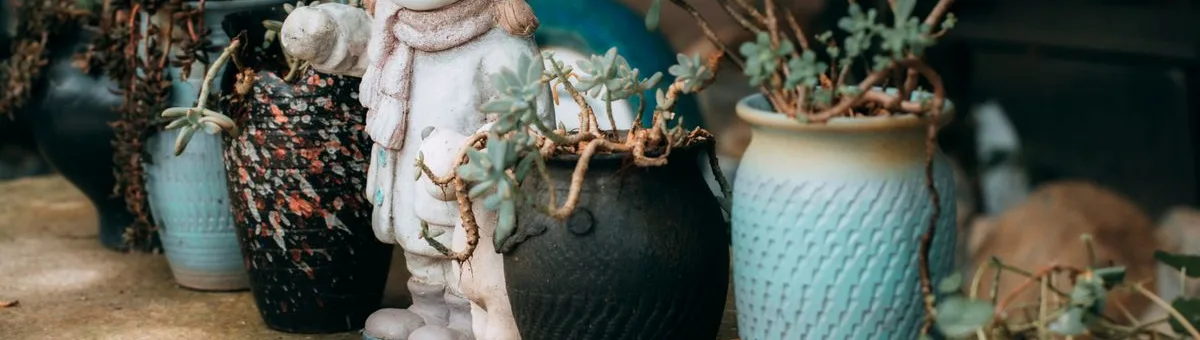
Types of pots: which size and style for your space
The first criterion for choosing a pot is not price or color: it is the space where it will live and the plant you plan to put in it. Here are the main categories:
Pots for patios and balconies
Patio pots must meet several requirements at once: resistance to UV rays from direct sun, stability against wind, reasonable weight to not overload the balcony structure, and enough water-holding capacity during summer when evaporation is highest.
For sunny, exposed terraces, the best options are high-quality polypropylene pots (brands like Elho or Prosperplast), fiberglass for larger sizes, and glazed terracotta that combines tradition with good durability. For balconies with weight restrictions, lightweight quality plastic is the most practical solution.
Long rectangular patio pots (window boxes) let you combine multiple plants in one container, saving space on railings. Tall pots are perfect for creating visual privacy with bamboo, lavender, or climbing vines.
Pots for outdoor gardens
In the garden, pots serve a different decorative and practical function. They create focal points, organize zones, allow cultivation of plants that would not survive in local soil (due to pH, drainage, or climate), and enable moving cold-sensitive plants indoors in winter.
For gardens, the most suitable materials are terracotta (natural look, good transpiration), concrete and reconstructed stone (very durable and decorative), and fiberglass for large decorative urns or planters. Avoid cheap plastic in gardens: it degrades quickly with constant temperature swings between summer and winter.
Pots for indoor plants
Indoors, priorities shift: aesthetic appeal, weight (for easy moving), preventing water leakage onto furniture, and good compatibility with decorative pot covers matter most. Indoor plants are typically placed in lightweight plastic pots inside a ceramic or decorative cover pot.
Current interior design trends favor artisanal ceramic pots, natural unglazed terracotta, and woven fiber hanging planters (raffia, jute, macramé). For plants requiring constant humidity like ferns or calatheas, unglazed terracotta is counterproductive because evaporation is too high; glazed ceramic or plastic works better.
Hanging pots and wall-mounted planters
Hanging pots maximize vertical space and are perfect for small balconies, patios with limited floor space, or garden walls. For hanging, weight is critical: the lightest options are fiber planters (coconut, jute, wicker) and lightweight plastic wall pots. Hanging terracotta only works if the mounting is very secure.
Modular wall systems (fabric pockets, stackable wall planters) are gaining popularity for creating vertical gardens in tight spaces. The key is choosing plants that tolerate shallow soil and lower water retention these systems provide.
Pot materials: strengths and weaknesses
A pot material is not just aesthetic: it determines how moisture behaves, how much it weighs, its lifespan, and which plants adapt best. Here is an honest analysis of each material:
Plastic pots
Plastic is the best-selling material for obvious advantages: low price, minimal weight, infinite variety of colors and sizes, and easy cleaning. High-quality plastic pots (polypropylene with UV additives, like Elho or Prosperplast) last 10-15 years in full sun without losing structure or color. They are the best option for weight-limited balconies and for anyone needing large pots at reasonable prices.
Plastic retains moisture better than terracotta: you water less frequently. The downside is that cheap plastic becomes brittle quickly with sun and temperature changes. The quality difference between low-price plastic and brand-name is huge: it pays to invest in recognized brands. → See our complete plastic pots guide with top picks for every budget.
Ceramic and terracotta pots
Terracotta is the classic Mediterranean gardening material for good reasons: it breathes, naturally regulating soil moisture, has unmatched natural aesthetics, and is completely biodegradable. Its downsides are weight (a large terracotta pot can weigh 15-25 kg empty), fragility in areas with hard freezes (interior moisture freezes and breaks the clay), and higher cost than plastic.
Glazed ceramic combines artisanal appearance with greater resistance to moisture and freezing than unglazed terracotta. It is the premium option for interior and patio when aesthetics matter. For cold climates with frequent frost, specifically seek "frost-proof" ceramics (thicker, more porous). → See our complete terracotta pots guide with frost-resistance tips and top picks.
Fiberglass pots
Fiberglass is the premium material for large decorative planters: lightweight (much less than ceramic or concrete), extremely durable, tolerates frost and intense sun perfectly, and can mimic almost any finish (stone, concrete, metal, wood). It is the choice for high-end landscaping projects precisely for its durability and aesthetic versatility.
The only real drawback of fiberglass is price: a quality large fiberglass planter costs double or triple the equivalent plastic one. Long-term it usually pays off through durability. → See our complete fiberglass planters guide with size comparison and weight specs.
Wood and metal pots
Wood pots (treated with oil or wood stain) have warm, natural appeal perfect for rustic gardens and wood patios. Treated wood lasts 5-10 years outdoors; without treatment, rot arrives in 2-3 seasons. Always line the interior with plastic or landscape fabric to protect the wood from wet soil.
Metal pots (zinc, corten, galvanized) are trending in industrial and contemporary garden styles. Metal heats significantly in direct summer sun, which can damage roots in small pots. In large pots or partial shade, metal is very decorative and durable. Untreated corten steel develops a natural rusty patina that is part of its appeal.
Best pots 2026: comparison and prices
After analyzing hundreds of reviews and ratings, these are the pots with the best value available on Amazon.com in 2026, covering the four most common buyer profiles:
Elho Vibes Fold Round — Colorful Plastic Pot
- ✓ Material: 100% recycled plastic
- ✓ Sizes: 5.5-inch to 16-inch diameter
- ✓ 8 colors available
- ✓ Drainage hole included
- ✓ Made in Netherlands
- ✓ CO₂ neutral certification
No verified direct Amazon.com listing is linked for this exact model.
Lechuza CLASSICO LS 21 — Self-Watering Pot
- ✓ Built-in self-watering system
- ✓ 1.2L water reservoir
- ✓ High-quality plastic
- ✓ Water level indicator
- ✓ Indoor and sheltered outdoor use
- ✓ 8.3-inch diameter
No verified direct Amazon.com listing is linked for this exact model.
Prosperplast TUBUS — Tall Square Planter
- ✓ Shape: tall square planter
- ✓ Heights: 15.4, 21.7, 29.1, 37.8 inches
- ✓ UV-resistant plastic
- ✓ Colors: white, black, graphite
- ✓ Optional wheels available
- ✓ Supports plants up to 55 lbs
No verified direct Amazon.com listing is linked for this exact model.
Elho Brussels Round — Classic Round Indoor Pot
- ✓ Material: recycled plastic
- ✓ Timeless clean design
- ✓ Diameters: 4 to 18 inches
- ✓ Colors: green, white, anthracite, terracotta
- ✓ Drainage hole included
- ✓ Perfect for indoor and outdoor
No verified direct Amazon.com listing is linked for this exact model.
Self-watering pots: the solution if you forget to water
Self-watering pots have a water reservoir at the base that feeds roots by capillary action as the plant needs it. The result is perfect, consistent watering without you having to think about it. They are especially useful for vacations, plants needing constant moisture, and sunny patios where soil dries in hours.
The system works like this: the lower reservoir is filled with water (every 1-3 weeks depending on plant and season). A wick or capillary system delivers moisture to the soil as the plant demands it. A visual indicator warns when the reservoir is empty. Plants in self-watering pots often grow faster and healthier because there are no dry-then-flood cycles.
The brands best mastering self-watering technology are Lechuza (premium reference, ultra-high-quality plastic) and Elho (good quality-to-price ratio). Retrofit kits exist to convert any regular pot into self-watering, but factory-integrated systems always work better.
Self-watering is ideal for: people who travel frequently, indoor plants like peace lilies or ferns needing constant humidity, and sunny patios in July and August. For succulents and cacti, self-watering is not suitable because these plants need to dry completely between waterings.
Quick fit checks before choosing a pot type
Before comparing styles, confirm that the container can hold the plant’s root system, drain excess water and fit the place where it will sit. The required size and watering routine depend on the plant, medium and exposure, so there is no single pot-size rule for every species.
- Measure the root ball and compare it with the pot’s internal width and depth.
- Check for an open drainage route and plan where runoff will go.
- For balconies and shelves, assess stability, filled weight and the support’s permitted load.
- Choose material after considering sun, wind, frost exposure and how often you can check moisture.
For the step-by-step measurements and a practical selection checklist, see how to choose a plant pot by size, drainage and fit. This hub compares the main container types, materials and planter uses.
What pot does each plant need
No universal pot exists. The same glazed ceramic perfect for a fern can kill a cactus. Here are recommendations by plant type:
Pots for succulents and cacti
Succulents and cacti need the fastest possible drainage. The ideal pot is small, with a large drainage hole, and made of breathable material. Unglazed terracotta is the classic, perfect material: its porosity lets soil dry completely between waterings, exactly what these plants need. Glazed ceramic retains too much moisture for cacti.
If using plastic for succulents, choose thin-walled, light-colored pots and water much less frequently than with terracotta. Bright, modern-design Elho or Prosperplast pots are aesthetically perfect for succulent collections indoors.
Pots for trees and shrubs
Growing a lemon, orange, olive, or boxwood in a pot is perfectly possible with the right container. Requirements are clear: large pot (minimum 20-24 inches diameter for mature trees), excellent drainage, stability against wind (weight or wide base), and durable material for years of heavy use.
For trees in pots, the best options are high-quality plastic pots (excellent strength-to-weight ratio), fiberglass (premium look, very durable), and treated wood containers. Tall narrow pots are not suitable for trees: roots need to spread laterally more than vertically.
Pots for climbing vines and trailing plants
Climbing plants like honeysuckle, jasmine, or bougainvillea need generous pots (minimum 16-20 inches diameter) with a support frame built in or nearby. Large soil volume is key because these plants grow fast and consume water and nutrients heavily during spring and summer.
For patios where you want to create a green screen with climbers, long rectangular pots (window boxes) with integrated trellis are the most practical solution. Choose the largest pot volume your space allows: more soil means less frequent watering and less summer stress.
How to pot a plant step by step
Potting correctly from the start makes the difference between vigorous growth and barely surviving plants. The correct process is simple if you follow these steps:
Step 1 — Choose the right potting mix for your plant. Never use garden soil: it compacts, drains poorly in containers, and can harbor pests. For most container plants, quality universal potting mix with added perlite (20-30%) is perfect. For succulents and cacti, use cactus-specific mix or universal mixed with 50% sand or perlite. For seasonal plants and vegetables, add compost to the mix for extra nutrients.
Step 2 — Prepare drainage. Cover the drainage hole with landscape fabric or mesh to prevent soil from washing out while allowing water through. Add 1-2 inches of gravel or expanded clay at the bottom of medium and large pots.
Step 3 — Fill halfway. Add potting mix to approximately half the pot height. Compact lightly (do not press hard).
Step 4 — Remove the plant from its original container. Flip the container upside down, press the sides to loosen the root ball, and slide it out gently. If roots are very tangled, gently unwind them by hand. If any roots are brown or mushy, trim them with sterilized scissors.
Step 5 — Position and fill. Center the plant at the correct height (the base of the stem should be 1-1.25 inches below the pot rim). Fill with potting mix around it, pressing gently to eliminate air pockets. Never bury the stem above where it was in the original container.
Step 6 — First watering. Water thoroughly until water drains from the hole. This first watering settles the mix and eliminates remaining air pockets. Wait until soil dries slightly before the next watering (timing varies by plant).
The 6 most common pot mistakes
These are the mistakes I see repeated most often and causing the most plant damage in containers:
1. Pot too large. Bigger is not better. Excess soil waterloggs and rots roots. Use appropriately-sized pots and repot gradually as the plant grows.
2. No drainage holes or blocked holes. Never block a drainage hole. If the pot lacks drainage, make holes yourself with a drill. For indoors where you prefer no drainage, use a no-drain decorative cover pot but keep the growing pot (with drainage) inside it.
3. Garden soil in pots. Garden soil is too heavy, compacts, and drains poorly in containers. Always use potting mix formulated for containers.
4. Permanent standing water in saucer. The saucer catches drainage water, not create a permanent reservoir. Empty it 30 minutes after watering. Standing water in the saucer is the most common cause of root rot.
5. Never fertilizing. Container plants deplete soil nutrients in 2-3 months. From spring through late summer, fertilize every 2-3 weeks with liquid fertilizer or use slow-release fertilizer mix at planting.
6. Cheap plastic in full sun. Plastic without UV protection degrades rapidly. Invest in quality brands or choose terracotta and fiberglass for the most exposed positions.