

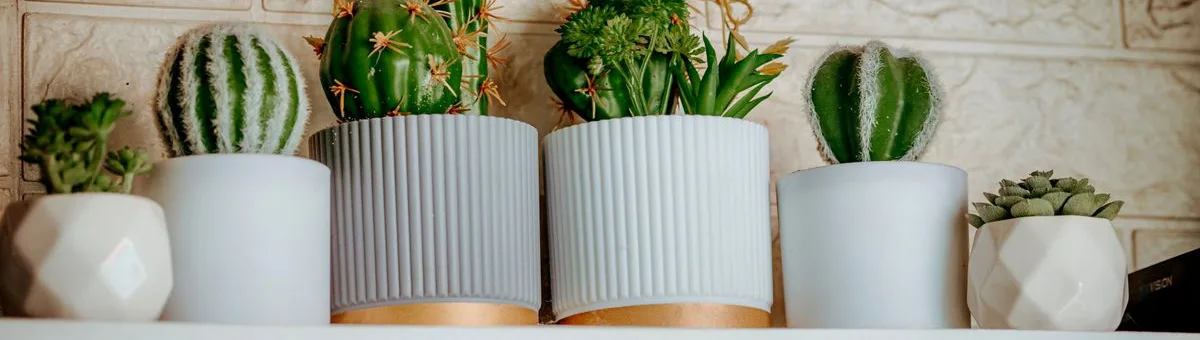
Identify the plant and its growth pattern
Start with the botanical name on the label. A desert cactus, an aloe and a holiday cactus may all store water, but their light, temperature and moisture preferences differ. The University of Minnesota Extension’s cacti and succulents guide describes the breadth of this group and cautions that individual species have different requirements.
Provide enough light and drainage
Use the brightest appropriate position available and acclimate plants gradually when moving them into stronger sun. A pot with drainage holes and a porous mix helps excess water leave the root zone. Illinois Extension’s succulent container guide recommends draining containers and a mix suited to plants that do not need long-lasting wet soil. Do not add a fixed percentage of sand or perlite without considering the plant, container and climate.
Adjust watering to growth and season
Water thoroughly when the plant’s growing medium has dried to the degree appropriate for that species, then discard runoff. Growth often slows when light and temperature decline, changing water use. Check the plant and mix rather than watering by calendar. If a plant becomes soft, stretched or discolored, check light, roots and drainage before adding fertilizer.
For care by type, see our indoor cactus guide and succulent care guide.
Understand what makes a plant a succulent
Succulent describes plants that store water in fleshy leaves, stems or roots; it is not one botanical family. Cacti are one group within the broader set of succulents, but many succulents are not cacti. This distinction matters because a desert cactus, an aloe and an epiphytic holiday cactus can need different light, moisture and seasonal conditions.
The University of Minnesota Extension guide covers cacti and succulents as a broad group and emphasizes species variation. Start with the botanical name on the nursery label, then check a source that discusses that particular plant. A generic label such as “succulent” helps identify a broad habit but does not provide a complete care schedule.
Keep the label after repotting or write the plant name on a stake. If the name is unknown, take a clear photograph of the whole plant and its growth point to a local extension service or knowledgeable nursery. Avoid applying one species’ care instructions to an entire collection.
Compare common cactus and succulent growth forms
| Growth form | What to check | Care question |
|---|---|---|
| Desert cactus | Stem shape and spine pattern | How much bright light and seasonal rest? |
| Epiphytic cactus | Flattened or segmented stems | Does it need a different moisture pattern? |
| Rosette succulent | Leaf arrangement and crown | Can the crown dry after watering? |
| Trailing succulent | Stem length and rooting points | How much room and light does it need? |
These groups are only a visual starting point. Some plants look similar while belonging to different groups, and cultivars can differ in color, size and growth. Verify identity before changing light, watering or winter care.
Identify the plant before choosing its position
Read the full plant label, including genus and cultivar when provided. A “cactus” or “succulent” tag may not tell you whether the plant is desert adapted, tropical, winter hardy or intended for indoor display. Ask the nursery where the plant was grown and what seasonal conditions it expects.
Keep nursery history with the plant label
A plant’s recent growing conditions can explain why it reacts after purchase. Note whether it came from an indoor display, greenhouse or outdoor bench, and retain any care notes from the seller. If it was recently watered or repotted, record that too. This information is useful when the plant shows a change and prevents repeating a stressful move without understanding the cause.
Observe its existing form and new growth. A plant that has spent weeks in bright greenhouse conditions may react differently when placed on a dim shelf, while a shade-grown specimen may scorch after an abrupt move to direct sun. Keep recently purchased plants separate while you inspect them.
The University of Minnesota Extension guide is a useful introduction to the group, but the plant label and local climate remain important. For dedicated advice on desert and indoor cactus care, see our indoor cactus guide; for fleshy-leaved plants, see our succulent care guide.
Provide suitable light and acclimate gradually
Light needs vary. Many desert cacti need a very bright position, while some leafier or epiphytic succulents can be damaged by intense midday sun. Choose a position based on species guidance and observe new growth, leaf color and whether stems lean toward a window.
Move plants gradually when changing from indoor shade to stronger sun or from outdoors to a bright room. Increase exposure in stages and inspect for bleached or scorched areas. A sudden jump from a shop display to direct summer sun can stress a plant even when that species can ultimately tolerate a brighter site.
Indoors, rotate a pot if growth consistently leans toward the window, but avoid repeated large changes in temperature and light. Outdoors, consider reflected heat from paving and the extra drying from wind. If a plant stretches, address the light before using more fertilizer.
Acclimate succulents after purchase or repotting
New plants may have been grown under different light, irrigation and temperature conditions. Keep them in a stable, suitable location and introduce stronger sunlight over time. Check the potting mix and inspect for pests before placing them next to established houseplants.
After repotting, roots may need time to settle. Follow the plant’s species guidance on when to water, and do not immediately place a recently disturbed plant into harsh afternoon sun. Use a clean container and fresh medium suited to the plant, and avoid burying the crown or stem base.
Record the date and location of a change. If new growth remains healthy, continue the adjustment gradually; if damage appears, reassess exposure, temperature and moisture. One change at a time makes it easier to understand the plant’s response.
Choose a pot that supports drainage and the plant’s size
Use a container with drainage holes and choose a size that accommodates the root system without leaving a small plant surrounded by a large volume of wet mix. A heavy, top-heavy plant needs a stable pot. Terracotta, plastic and glazed containers dry at different rates, so account for material when checking moisture.
Inspect drainage after watering
After a thorough watering, confirm that water exits through the drainage hole and that the pot is not retaining runoff in a cachepot. If water remains on the surface, check whether the mix is compacted or the opening is blocked. Do not assume a pot is draining because it has a hole; roots, debris or a flat saucer can still prevent free flow.
If you use a decorative cachepot without a hole, keep the plant in an inner draining pot and empty runoff after watering. Do not let the roots sit in standing water. Check holes periodically for roots or debris that might obstruct drainage.
For a mixed arrangement, leave enough space to inspect each plant and remove damaged leaves. Do not bury a rosette crown or press stones tightly against the plant base. A decorative arrangement can look attractive while being difficult to water; use separate pots when species require different conditions.
Use a growing medium that dries appropriately
A dense garden soil can remain wet in a container and restrict air around roots. Choose a mix intended for container cacti or succulents, then observe how it behaves in the specific pot and climate. The Illinois Extension container guide discusses drainage and media for succulent plantings.
There is no universal percentage of sand, gravel or perlite that suits every plant. A mix that drains quickly in a warm, dry room may behave differently in a cool, humid one. Make changes only when you can identify a drainage or moisture problem, and avoid adding heavy garden soil to a small indoor pot.
Do not add a gravel layer at the bottom as a substitute for open drainage holes. Keep the medium below the rim, allow water to leave freely and avoid packing it so tightly that the root zone stays wet. When a mix breaks down or drains poorly, repot at a suitable time for the species.
Water according to the plant, pot and season
Watering frequency depends on the plant’s species, light, temperature, root health, pot material and growing medium. Check moisture below the surface rather than following a fixed weekly calendar. Many desert succulents need a drying interval, but the degree and timing vary; an epiphytic cactus may need a different routine.
When watering is appropriate, wet the root zone evenly and let excess drain. Empty the saucer or cachepot so roots are not left sitting in runoff. Repeated small sips can wet only the surface or one part of the pot, which makes it harder to judge whether the whole root ball is hydrated.
During brighter, warmer growth periods, containers may dry faster. During cooler, darker periods, the same amount of water can remain in the mix longer. The University of Minnesota guide can help identify broad differences, while the plant label and local conditions should guide the final routine.
Check the whole root ball before watering again
Use more than the surface appearance to decide whether a succulent needs water. Feel the mix below the top layer, compare the pot’s weight and note how long it has been since the last thorough watering. A dry-looking surface can sit above damp mix; a pot in heat or wind can dry quickly through its entire depth.
Wilting is not always evidence of drought. Roots damaged by persistent wetness may not take up water normally, so a plant can droop in saturated soil. Check drainage, the base of the plant and root condition before watering again or adding fertilizer.
For a large collection, group pots by similar needs and keep brief notes. This is more reliable than watering every container on the same day. If you are uncertain about a plant’s moisture preference, wait until you have confirmed its identity and consulted a species-specific source.
Adjust care when growth slows
Some cacti and succulents slow down during part of the year. Lower light and cooler temperatures can reduce water use, but the rest period and its requirements depend on species. Do not assume that every succulent needs the same winter dry period, and do not force growth with fertilizer when the plant is not actively growing.
Temperate outdoor species may need seasonal exposure that a heated room does not provide. Tender tropical plants may need protection from cold. Check local hardiness guidance and the plant label before deciding where a container should spend winter.
Keep observing the root zone during a rest period. Avoid prolonged saturation, but do not let every plant become completely dry without checking its natural habit. If a plant is losing leaves or stems, compare the timing with species guidance before treating normal seasonal change as a disease.
Use fertilizer sparingly and follow the label
Many cacti and succulents grow slowly compared with annual bedding plants, so repeated strong feeding is rarely a safe default. Check whether the plant is actively growing and whether its medium or label indicates a need. Do not use fertilizer to compensate for inadequate light, a waterlogged pot or root damage.
If a fertilizer is appropriate, choose one labeled for container ornamentals or the intended plant and follow its directions exactly. Do not exceed the rate or combine several products without reliable guidance. Avoid applying concentrated fertilizer to dry or damaged roots.
Record the product and date. Excess salts can accumulate in a container, and repeated feeding can obscure the original cause of a problem. If growth remains weak, review light, drainage and species identity before applying another dose.
Propagate by a method suited to the species
Succulents can be propagated by offsets, division, leaf or stem cuttings, but not every plant responds to the same method. Confirm the plant identity before cutting. Use healthy parent material and clean tools, and follow species-specific advice on whether a cut surface should dry before planting.
Keep newly started plants labeled and in a stable position with appropriate light. A cutting may fail because it is too small, damaged or kept too wet; adding water every day is not a universal way to encourage roots. Observe the medium and the plant, and avoid moving fresh starts into intense sun.
The Illinois Extension container guide covers succulent planting and propagation basics. For cactus-specific types and seasonal considerations, consult the indoor cactus guide. Keep any offset or cutting from a pest-affected plant isolated until it has been inspected.
Set realistic expectations for flowers and growth
Flowering depends on species, maturity, light and seasonal conditions. A healthy plant may not bloom indoors on a predictable schedule, and a young specimen may need time to mature. Do not assume that a fertilizer marketed for blooms will trigger flowers if the plant lacks adequate light or the season it needs.
Observe the plant’s normal growth form before pruning. A cactus may have spines or areoles where new growth emerges, while a leafy succulent may branch at nodes or grow as a rosette. Removing the growing point can change the plant’s shape, so make cuts only for a clear reason.
When a plant flowers, follow species guidance for care and avoid disturbing the root system simply to improve its appearance. Record flowering dates and conditions if you want to learn the plant’s seasonal pattern in your home or garden.
Diagnose changes in leaves and stems before treating
Soft leaves, discoloration, stretching, shriveling and leaf drop can have more than one cause. Note where symptoms began, whether they affect old or new growth and what changed recently. Check light, temperature, drainage and root-zone moisture before reaching for a pesticide or fertilizer.
Remove dead material with a clean tool and isolate plants with visible pests where practical. Inspect leaf joints, the crown and the growing medium. If symptoms spread, take a clear photograph and keep the nursery label so a local extension service can help identify the issue.
Do not apply a treatment based only on a vague symptom. Confirm the pest or disease and check that the product label permits the intended plant and location. Keep treated plants away from people or animals as directed by the label.
Inspect cacti and succulents for pests during routine care
Look closely at leaf joints, spine bases, the underside of leaves and the surface of the growing medium. New plants should be checked before joining a collection. If you find insects, webbing or sticky residue, move the affected pot away from nearby plants and identify the problem before treatment.
Quarantine new plants before adding them to a collection
Keep a new cactus or succulent apart from existing plants while inspecting it for insects, webbing, sticky residue or soft growth. Check again over time and avoid sharing tools or fallen leaves between pots until the plant appears healthy. If a pest is found, identify it and follow product directions for the plant and indoor setting.
Remove dead leaves and debris where pests could be hidden, but avoid damaging the plant while cleaning. A soft brush may help with dust on a smooth surface; spines and fragile leaves need careful handling. Use gloves or a tool if the plant has sharp parts.
Use only a pesticide labeled for the plant and indoor or outdoor setting in which it will be applied. Follow safety instructions and repeat treatment only as the label allows. Do not assume that homemade sprays are safe for every succulent or cactus.
Grow outdoor succulents only where climate and drainage fit
Some succulents tolerate outdoor conditions in suitable regions, while others are tender and need protection from cold or prolonged rain. Check the botanical name and local hardiness guidance before leaving a plant outdoors year-round. A sheltered position may reduce exposure but does not change a plant’s inherent temperature tolerance.
Acclimate indoor plants gradually when moving them outside. Begin in a bright, protected position and increase sun exposure in stages. Consider wind, reflected heat from paving, roof runoff and the chance of a container staying wet during rainy weather.
Bring or protect plants before weather falls outside their tolerance, using regional advice. Keep drainage holes clear and lift pots if water is pooling underneath. Outdoor conditions can change moisture and light quickly, so inspect plants after major weather changes.
Build mixed succulent arrangements from compatible plants
A mixed bowl looks cohesive, but plants with different light, growth rate and moisture needs can become difficult to care for together. Compare labels before combining them. Use an arrangement with drainage, leave room to inspect each plant and avoid burying crowns or rosettes in wet soil.
Separate species into individual pots when one needs more frequent watering or a different seasonal location. This also makes it easier to check roots and remove pests without disturbing every plant in the display. Decorative stones should not hide the plant base or make moisture checks difficult.
Group containers by care rather than color alone. A bright window can suit one plant but be too intense for another. As plants grow, thin or repot the arrangement before leaves overlap and airflow becomes restricted.
Handle spines and plant material carefully
Cacti can have sharp spines, and some succulents have edges or sap that can irritate skin. Identify the plant and use gloves, folded paper or suitable tools when moving or repotting it. Keep loose spines and cut plant pieces away from children and pets.
Do not assume that a small houseplant is harmless to chew or touch. Place unfamiliar plants where they cannot be knocked over, and wash tools and hands after handling. If a plant’s sap or spines cause an injury, follow appropriate medical guidance for the situation.
When removing damaged growth, use clean tools and dispose of material appropriately. Do not leave sharp pieces on a walkway or place them in a household compost pile where someone may handle them.
Avoid common cactus and succulent care myths
“Succulents need no water” is not a useful care rule. These plants store water, but their needs depend on species, roots, light, season and growing medium. A plant can shrivel from a dry root ball or decline from roots damaged by prolonged wetness. Check the soil and identify the plant before deciding what to do.
Treat care labels as a starting point, not a full schedule
Retail labels often use broad terms such as low water, bright light or easy care. Interpret them with the plant identity and your local conditions. A windowsill, greenhouse and outdoor patio can have very different temperatures and light, so an instruction that worked for the seller may need adjustment at home. Keep the label and verify specific needs before repotting or moving the plant.
“Cactus soil is always the same” is also too broad. A desert cactus, an epiphytic cactus and a leafy rosette may need different mixes and watering patterns. Use a container medium that drains appropriately in the pot and conditions you have, and observe the result rather than relying on a recipe copied from a different climate.
Finally, slow growth does not automatically mean a plant needs fertilizer. Low light, seasonal rest, root damage or an unsuitable pot may be the cause. The University of Minnesota Extension guide emphasizes variation across cacti and succulents; use a species-specific source before making a major change.
Recognize stretched growth and sun stress
Some plants naturally have elongated stems, so identify the species before diagnosing a problem. If new growth becomes unusually narrow, pale or tilted toward a window, insufficient light may be one possibility. Older growth will not become compact again, but a better position can support healthier new growth.
Increase light gradually rather than moving a plant from a dark shelf into strong afternoon sun. Bleached, dry or scorched patches can follow an abrupt exposure change. Check temperature and reflected heat as well as direct sun, especially near glass, white walls or paving.
Do not respond to stretching with more water or fertilizer unless those needs are supported by the plant’s condition. Make one change, observe new growth over time and keep notes on the location. The right adjustment depends on the exact species and season.
Think carefully before planting succulents in terrariums
Closed glass containers can trap moisture and restrict airflow, which can be a poor environment for many desert cacti and succulents. A decorative terrarium without drainage also makes it difficult to remove excess water. Before using one, check whether the selected species can tolerate the humidity and whether the container can be ventilated and managed.
If you use an open glass vessel, add a separate draining nursery pot where possible rather than planting directly into a sealed base. Keep the root zone visible and remove runoff. Avoid placing a plant where condensation remains on the glass or where stagnant air encourages soft growth.
For a mixed display, species with similar moisture and light needs are easier to maintain. Individual pots can be grouped inside an open container and lifted for inspection. That approach preserves the visual effect while allowing you to water and isolate each plant separately.
Repot without burying the crown or damaging roots
Choose a time suited to the plant’s growth cycle, then prepare a clean pot and dry or appropriately conditioned medium before removing the plant. Handle spiny cacti with paper or gloves. Loosen the root ball carefully and remove only dead or damaged roots unless species-specific instructions call for more extensive work.
Set the plant at a similar depth to its previous position and keep leaves or a rosette crown above the mix. Press the medium lightly around roots without compacting it. Clear the drainage holes and place the pot in a stable position with suitable light for recovery.
Follow guidance on how soon to water after repotting; there is no universal waiting period for every succulent. If roots were cut or damaged, avoid keeping them wet. Observe the plant rather than adding more water because the surface looks dry.
Organize a collection so care stays consistent
Group pots by similar light and moisture needs, and label each plant. A collection can be arranged decoratively while keeping species in separate containers. This makes it easier to water one plant without soaking a neighboring one and lets you move a tender species without disturbing a hardy outdoor plant.
Use a simple record for new purchases, repotting, watering changes and pest checks. Note where each plant sits and how its new growth responds. This helps reveal whether a recurring problem is tied to one window, one type of pot or a particular growing medium.
Inspect plants as part of routine care, especially after bringing a new one home. Isolate a pot with visible pests and identify the issue before treatment. For detailed care by growth form, follow our indoor cactus and succulent guides.
Choose an outdoor succulent for the local climate
Hardiness varies among species and cultivars, and container roots are more exposed to cold than roots in the ground. Confirm the botanical name and check local guidance before leaving a pot outside through winter. A plant that survives outdoors in one region may need protection in another.
Consider rainfall as well as minimum temperature. A sheltered location can still receive roof runoff or remain wet through a cool season. Use a container that drains and move it under bright cover when necessary, while maintaining airflow and enough light.
Acclimate indoor-grown plants gradually before exposing them to direct sun or wind. Before the season changes, plan where tender pots can be protected. The label and regional extension guidance should drive the decision, not a general description such as “outdoor succulent.”