

Use June as a local checkpoint, not a national schedule
Review frost risk, heat, rainfall, soil moisture and crop stage. Decide what to sow, transplant, prune or harvest from local Extension recommendations and plant labels. The University of Minnesota timing guide offers a regional example; gardeners elsewhere should use their own state or county calendar.
See UMN’s garden timing guide.
Check soil moisture before adding water
Water needs vary with crop, root depth, soil, rainfall and weather. Check moisture where roots are active, inspect irrigation output and adjust after rain or heat. Do not apply a single inches-per-week target or timer schedule to every garden.
Containers and new transplants may need closer monitoring than established beds; follow local restrictions.
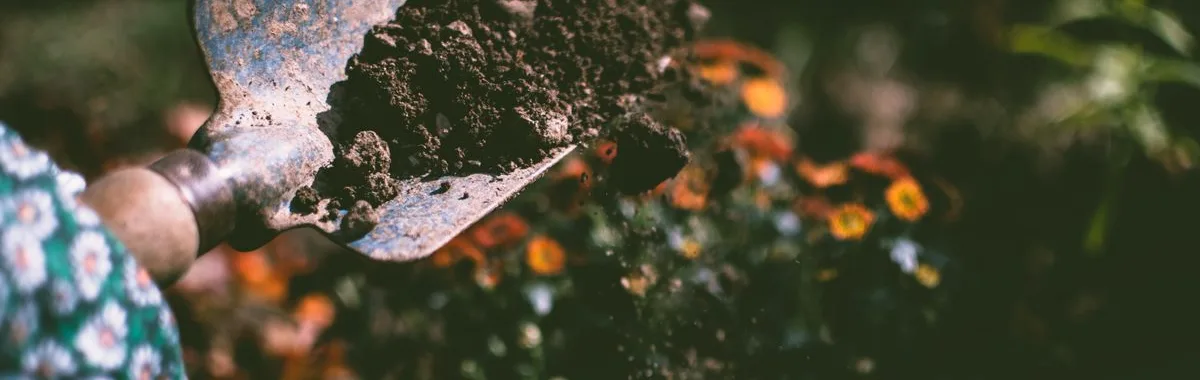
For an in-ground bed, push a trowel or moisture probe into the root zone rather than judging only the surface. A dry crust can sit above moist soil, while a dark surface can hide a dry root ball beneath it. If you irrigate with sprinklers, set out several catch cups to compare output across the zone and repair misdirected heads. For drip, check that emitters are not clogged and water is reaching the plant’s active roots.
When watering is needed, apply it slowly enough to soak the root zone rather than running off the bed. Soil texture and slope influence how quickly water can be applied. Sandy areas may need more frequent checks; clay soils can stay wet longer and suffer when watered before they drain. Reduce or skip irrigation after rain and follow current local restrictions, especially during drought.
Give containers and new transplants extra checks
Containers and hanging baskets can dry faster than garden beds because their root volume is limited and they may be exposed to sun and wind. Check the potting mix with a finger or moisture tool and lift the container if practical to compare its weight after watering. Water until the root zone is evenly moist and excess drains, then empty saucers where standing water is unsuitable for the plant. Do not let a calendar override the actual moisture and crop needs.
Newly planted trees and shrubs need attention while roots establish, especially during dry or windy periods. Water the root ball as well as surrounding soil; a wet planting hole does not guarantee the original root ball is moist. Keep mulch away from the trunk and stem. If you moved houseplants outdoors, acclimate them gradually to brighter light and wind rather than placing indoor-grown foliage in full sun at once.
Use mulch only where and when it suits the bed
Mulch can shade soil and reduce evaporation or some weed emergence, but material and depth should fit the crop, climate and local practice. Avoid burying crowns or stems, and keep mulch off seed rows until seedlings are established. Do not call it the single most important task for every June garden.
Before spreading mulch, remove large weeds, water dry soil if needed and keep the material from touching plant crowns, stems or tree trunks. Use a layer suited to the mulch type and plant; too much can hold excess moisture against stems, hide pests or reduce water reaching the soil. Coarse wood mulch works differently from fine compost, straw or leaf mold, so do not use one depth recommendation for every material and bed.
Mulch does not replace irrigation-system repair, hand weeding or suitable plant spacing. Inspect beneath existing mulch to see whether the soil is still moist and whether slugs, weeds or fungal problems are developing. In fire-prone areas, choose and place mulch according to local defensible-space guidance rather than relying on generic garden advice.
Follow crop-specific summer care
Check each crop’s packet or local Extension guide for staking, thinning, side-shoot management, feeding and harvest. Planting windows differ by region and cultivar. Inspect leaves for pest and disease signs before treating; choose controls only after identifying the problem.
Thin crowded seedlings to the final spacing on the packet so air and light reach the leaves and roots have room to develop. Add supports before tall crops flop, and tie stems loosely so growth is not constricted. For climbing vegetables, train new growth onto a trellis before stems become brittle. Use pruning or side-shoot removal only for crops and systems where local guidance recommends it; removing foliage can reduce shade and yield as well as improve access.
Check flowering and fruiting crops for pollination and consistent soil moisture. A plant can produce flowers but set little fruit because of heat, cold, pollination limits, excess nitrogen or water stress. Use crop-specific resources to troubleshoot instead of applying a general-purpose fertilizer. Keep a note of planting dates and varieties so the harvest window can be interpreted correctly.
Adjust lawn care to grass type and weather
Warm-season and cool-season lawns respond differently to heat and growth. Mow at a height recommended for the species, keep blades sharp and avoid fertilizer unless local guidance and soil results support it. Follow local watering restrictions and avoid treating a dormant lawn as though it were actively growing.
Do not mow during the hottest part of a heat wave if the grass is visibly stressed, and avoid cutting wet turf that clumps or ruts. A taller recommended mowing height can shade the soil and support deeper roots for some lawn grasses, but exact height differs by species. Keep mower blades sharp enough to cut rather than tear the leaf tips. Leave only small clippings that disappear into the canopy; collect large clumps that could smother grass.
Brown turf is not always dead. Cool-season grass can become dormant during heat or drought and may recover when conditions improve, but watering rules and restrictions vary locally. Check soil moisture, grass type, disease signs and recent rainfall before deciding whether to water or reseed. Avoid applying fertilizer to heat- or drought-stressed turf unless local guidance says it is appropriate.
Respond to heat stress without overwatering
Wilting at midday can be a temporary response to heat, while wilting that remains early in the morning may signal a more persistent water or root problem. Check soil at root depth, inspect the stem and leaves, and compare plants in sun with plants in shade. Containers, recently transplanted seedlings and shallow-rooted crops usually need closer monitoring than established plants, but the response still depends on moisture and drainage.
Prioritize newly planted and actively fruiting crops when water is limited, and follow local water restrictions. Use shade cloth or temporary protection only where crop guidance supports it; covers can trap heat if left in place. Avoid applying fertilizer during acute heat or drought stress unless a crop-specific recommendation says to do so. For a Minnesota example of hot-weather watering decisions, see UMN Extension’s hot-weather guide; the quantities and restrictions are regional.
Monitor plants and use targeted controls
Look for increasing damage and identify the pest or disease before acting. Remove affected material when Extension guidance recommends it, conserve beneficial insects and follow pesticide labels if treatment is needed. June is not a universal peak period for any one pest across all regions.
Inspect plants once or twice a week, focusing on new growth, leaf undersides, stems and fruit where pests often hide. Note whether symptoms are spreading or limited to older leaves. Photograph a whole plant and a close-up, then compare with an Extension diagnostic guide; do not treat holes, spots or webs as a diagnosis by themselves. Some insects are pollinators or predators, so identify before removing them.
For disease prevention, avoid handling wet foliage when plants are susceptible to mechanical spread, remove diseased material when local guidance recommends it and clean tools between affected plants. If pesticide use is warranted, confirm the label includes the crop, pest and site, and follow pre-harvest and pollinator directions. Do not apply a household “home remedy” in place of an identified control.
Care for flowers by species and site
Deadheading, staking and pruning depend on species and purpose. Check plant labels and local Extension advice; leave some seed heads or stems where they provide wildlife value. Water according to root-zone moisture and the plant’s needs.
Remove spent flowers only where deadheading encourages continued bloom or prevents unwanted seed; some species do not respond that way. Support tall stems before storms, and tie them loosely to avoid girdling. If a flowering plant is heat-stressed, delay nonessential pruning until it recovers. Keep a few seed heads where they feed birds or provide winter structure, unless disease, safety or local guidance calls for removal.
Harvest according to crop and sowing date
Readiness depends on cultivar, planting date, temperature and local conditions. Use maturity estimates as a guide and inspect size, color and texture on the plant. Harvest only when the crop is ready for its intended use.
Pick leafy greens before heat or bolting makes quality decline, and harvest fruiting crops when their color and firmness match the variety’s guidance. Root crops and onions have different maturity signs, so do not use one harvest date for every bed. Use clean tools for produce, keep harvest baskets clean and refrigerate crops that require it. A planting and harvest log helps separate a weather delay from an incorrect variety or sowing date.
When yields begin, check the plant regularly so fruit does not stay overripe and attract pests. If production is small, leave some fruit to finish if that is the goal; if a crop is being harvested for repeated use, follow species guidance on how much foliage to retain. Extension calendars are useful for planning but the plant’s stage is the final cue.
Use a repeatable June garden check
A short repeatable inspection helps catch summer problems while they are still local. Walk the garden and check the root-zone moisture of containers, new transplants and actively fruiting crops; compare the soil with the forecast and recent rainfall before watering. Look under leaves for pests, check irrigation emitters for blocked flow and notice where runoff or puddles appear. Adjust one part of the system at a time so you can tell whether the change helped.
Harvest crops when they reach the stage described for their variety, and remove produce that is damaged or rotting. Keep tools and harvest containers clean, and wash edible produce using standard food-safety guidance. If a crop is not ready, do not strip healthy foliage to make the garden look tidy. For flowers and shrubs, remove spent blooms only where it suits the species and purpose; some plants benefit from leaving seed heads or stems for wildlife.
During prolonged heat, distinguish temporary midday wilting from stress that continues in the morning. Check soil around the active roots and prioritize young plants that have not established. Follow local watering restrictions and avoid runoff to streets or storm drains. The UMN June checklist is a regional example, while your county Extension service can provide local pest alerts and planting guidance.
Measure irrigation before changing the June schedule
Check whether irrigation reaches the plants rather than assuming that a running system is watering evenly. Place a few straight-sided containers around a bed or lawn zone during one normal cycle, compare the collected water and look for dry gaps, overspray and runoff. This simple check can reveal a clogged emitter, a misdirected sprinkler or a zone that needs adjustment. Follow the equipment manual and local water restrictions when making changes.
Inspect soil moisture below the surface near the active roots. A damp top layer can hide a dry root zone, while a wet surface can mask standing water or a blocked container drain. Use a trowel or finger where appropriate, taking care not to damage shallow roots. Water slowly enough for the soil to absorb it; if water runs off, pause and reassess the rate, slope or soil condition rather than extending the cycle.
Give new plantings and containers a closer check than established deep-rooted plants, but do not water them automatically every day. Pot material, exposure, crop stage, rainfall and wind all affect how quickly they dry. A small container in sun may behave differently from a large shaded pot. Group containers by similar water needs and keep drainage holes clear, then adjust after observing the medium and weather.
Keep fertilizer and irrigation decisions separate. A plant wilting in heat may need water, shade or less wind exposure; fertilizer is not a remedy for drought stress. Avoid wetting foliage unnecessarily if disease guidance for the crop recommends keeping leaves dry, and avoid runoff that carries soil or nutrients into drains. Record changes to the timer and recheck after a weather shift instead of leaving a seasonal setting unchanged.
Frequently Asked Questions
In June, let plant and soil conditions set the work list. Check moisture below the surface, inspect irrigation coverage with catch cups, harvest crops at their stage, and scout leaves before treating pests. Water demand varies with crop, root depth, soil and weather; do not apply a fixed inches-per-week rule to every garden. UMN’s regional home-garden calendar and Maryland vegetable-care guide show how recommendations differ by location.