

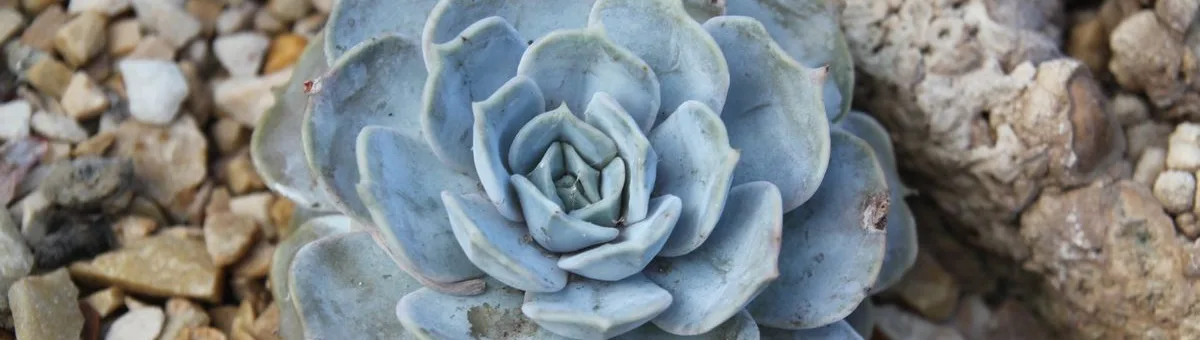
What xeriscaping means
The term is associated with landscape design that reduces unnecessary irrigation through site planning, appropriate plants, soil and mulch choices, and efficient watering. Denver Water describes seven principles for its dry Colorado climate. They are a useful framework, but local conditions determine how each principle should be applied.
A water-wise landscape may still include a lawn for play, shade trees, flowering beds, or plants that need more water in one defined area. The practical aim is to match water use to the purpose and needs of each part of the garden, then avoid applying water where it is not needed.
Start with the site, not a plant list
- Map how the space is used. Mark play areas, paths, seating, views, shade, storage, and plants you want to keep. Identify lawn that gets regular use and lawn that is difficult to water or maintain.
- Observe sun and exposure. Note sunny and shaded areas, reflected heat from walls or pavement, wind, and places that dry faster than the rest of the yard.
- Check soil and drainage. After rain or irrigation, look for runoff, standing water, and dry patches. Different parts of one yard may have different soils and moisture conditions.
- Trace water movement. Notice where roof and paving runoff goes. Keep water away from foundations and neighboring properties; direct it only to areas designed to receive it.
- Check local rules and resources. Review water-use restrictions and use your county Extension, local water utility, or native-plant program for regionally appropriate plant lists.
The EPA WaterSense water-smart landscape guide treats the project as a whole: design, plant selection, installation, and maintenance work together.
Seven principles for a water-wise landscape
| Principle | What it means in a home garden | Question to ask |
|---|---|---|
| Plan and design | Set priorities and map use, exposure, drainage, and existing plants before removing or adding anything | Which areas need to remain lawn, shade, or high-use space? |
| Improve soil where needed | Address compaction, poor infiltration, or low organic matter based on what the site actually needs | Does water soak in, run off, or remain standing? |
| Keep practical turf | Retain lawn where it serves a real purpose and reduce difficult or unused patches if useful | Is this grass area used enough to justify its water and upkeep? |
| Choose appropriate plants | Select species suited to the local climate, sun, soil, drainage, and mature space | Can this plant thrive here without constant correction? |
| Irrigate efficiently | Deliver water to the intended root zones and adjust schedules to weather and plant establishment | Are there leaks, overspray, runoff, or zones with mismatched needs? |
| Use mulch thoughtfully | Cover bare soil where it helps reduce evaporation, weeds, or erosion, while keeping material away from stems | Does this material fit the plants and exposure in this bed? |
| Maintain and observe | Check plant health, irrigation, weeds, and soil as the landscape matures | What is using more water than expected, and why? |
These principles describe a planning framework, not a fixed installation recipe. For example, adding organic matter may help some soils but is not a universal correction; diagnose drainage and soil structure before amending. Denver Water’s handbook lays out the principles for Colorado, while the EPA’s guidance emphasizes matching design and plant choices to local conditions.
Choose plants for your region and microclimate
Use plant lists from local Extension services, botanical gardens, native-plant societies, or water utilities. Check that a recommendation applies to your region and not only to a different USDA hardiness zone or precipitation pattern. “Native,” “drought tolerant,” and “low water” are useful filters, not guarantees that a plant suits every part of your yard.
| Garden condition | Selection checks | Common planning mistake |
|---|---|---|
| Hot, sunny, exposed area | Heat, wind, mature size, soil drainage, and local winter lows | Choosing a plant from a dry region that cannot tolerate local winter cold |
| Shade or tree canopy | Light level, root competition, dry shade, and leaf litter | Assuming every shaded bed stays moist |
| Sloped or fast-draining area | Runoff, erosion, root establishment, and ability to water evenly | Installing plants without a way to reach them during establishment |
| Low point that receives runoff | How long water stands, drainage path, and plants suited to changing moisture | Planting a dry-site species where water pools after storms |
Choose mature sizes that fit available space so plants do not need repeated heavy pruning or replacement. A varied planting can provide different textures and flowering periods without relying on a single “xeriscape plant” list. The EPA recommends low-water and regionally appropriate plants, while noting that each part of a landscape can support different species.
Plan irrigation around plant needs
Group plants with similar water needs and site conditions into irrigation zones. This practice, often called hydrozoning, helps avoid watering a dry-adapted bed on the same schedule as a vegetable patch or newly planted trees. If plants in one zone have very different needs, separate them or adjust the planting plan.
New plantings need closer monitoring until roots establish. Check moisture in the original root ball as well as the surrounding soil; the two may dry at different rates. Reduce supplemental watering gradually as plants establish, while adjusting for heat, wind, rainfall, soil, and local restrictions. No single “once a week” schedule is right for every yard.
If you already have irrigation, inspect it before the growing season: look for leaks, clogged emitters, misdirected spray, and water running onto pavement. The EPA’s WaterSense maintenance guidance recommends checking equipment and changing timer settings to account for weather and current site conditions.
Build the garden in manageable phases
- Start with a simple map and a short list of problems you can confirm, such as overspray, runoff, or a difficult-to-use lawn strip.
- Fix irrigation leaks and drainage issues before installing new plants.
- Convert a small area first. Keep records of what you planted, where it is, and how often it needs supplemental water.
- Observe the area through a full growing season. Note survival, maintenance, runoff, and water use over comparable periods.
- Expand the design using plants and practices that performed well in your conditions.
Do not assume the landscape will become water-independent after a set number of years. Establishment time varies by species, plant size, soil, and weather, and extreme drought may still require supplemental water. Measure changes against your own starting point rather than relying on a universal savings percentage.
For more design ideas, browse the garden design guide, our guide to Mediterranean gardens, or the small-space garden design guide.
Audit water use before changing the landscape
A basic water audit helps you choose a project that addresses a real source of waste. Record the current irrigation zones, controller settings, visible leaks, overspray, runoff, and the plants each zone serves. Compare water bills over similar periods where possible, but account for rainfall, temperature, household use, and seasonal changes; a bill alone cannot show which bed used the water.
- Run each zone and observe it. Look for broken emitters, clogged heads, spray reaching pavement, pooling, or runoff before the soil is wet where roots are concentrated.
- Compare the zone to its plants. A lawn, young tree, vegetable bed, and established low-water planting may not belong on one schedule.
- Check controller settings against conditions. Adjust for recent rain and current weather, and follow local watering restrictions or utility guidance.
- Fix delivery problems first. Repair leaks and misaligned heads before changing plant choices or assuming the garden needs more run time.
- Keep a baseline. Note what was changed and when, then compare plant health and water use during similar weather periods.
Water-saving claims vary because the starting landscape, irrigation equipment, climate, soil, and behavior differ. Use measurements from your property and avoid promising a fixed percentage. If a meter or utility program provides zone-level information, use it alongside direct observation rather than treating it as a diagnosis by itself.
Support plants and soil during establishment
Low-water plants still need a suitable start. A root ball that dries while the surrounding soil is damp can stress a new plant, and a moist planting hole does not prove that the full root zone is receiving water. Check both locations and adjust as the roots spread. Planting in a season that gives roots time to establish before local heat, drought, or frost can reduce stress, but use regional guidance for the species and climate.
On a slope, plan to keep soil in place while plants establish. Maintain existing ground cover where possible, direct runoff safely, and use locally appropriate erosion-control practices. A newly planted bed with exposed soil may shed water before roots or mulch stabilize it. Do not route roof or paved-surface runoff into a planting area unless the soil and design can safely receive that flow.
Mulch can reduce bare soil and slow evaporation, but the right material and depth depend on the planting and site. Keep it away from stems and trunks, maintain access to drains, and do not use mulch to conceal a drainage problem. Monitor after heavy rain and irrigation to see whether water infiltrates, ponds, or moves off site.
Use a local Extension service, native-plant program, or water utility for plant lists and establishment advice. If the site has persistent erosion, steep slopes, retaining structures, or water near a building foundation, consult a qualified local professional before installing hardscape or changing drainage.
Review the landscape as conditions change
A xeriscape is not a one-time installation. Plants mature, irrigation equipment wears, weather shifts, and household use of the garden can change. At the start of a growing period and after unusually hot or wet weather, walk every zone and note which plants show stress, where water pools, and whether irrigation reaches the intended roots.
Check each emitter or sprinkler while it runs, then compare what you see with soil moisture after watering. A timer can deliver the same number of minutes to a clogged head and a functioning one, so controller settings alone do not prove that a plant received water. Repair visible problems, adjust only the zones affected, and observe the result before changing the whole system.
When a plant repeatedly needs more water than its neighbors, confirm the cause before removing it. It may be newly established, competing with tree roots, planted in a hotter microclimate, or unsuitable for the site. A change in species can make sense if the mismatch persists, but moving or replacing a plant will not fix a leak, compacted soil, or a poorly designed drainage path.
Keep the planting useful as it changes. Retain shade trees and comfortable paths where they serve the household, and size lawn or irrigated beds for actual use. A regional water utility or Extension service can help interpret local restrictions and choose plants with documented suitability for your conditions.
📚 Sources and references
Authoritative sources consulted to write this guide:
- Water-Smart Landscape Design — U.S. Environmental Protection Agency, WaterSense
- Home Maintenance: Soil Management, Mulching, and Irrigation — U.S. Environmental Protection Agency, WaterSense
- Xeriscape principles — Denver Water
- Xeriscaping: Retrofit Your Yard — Colorado State University Extension