

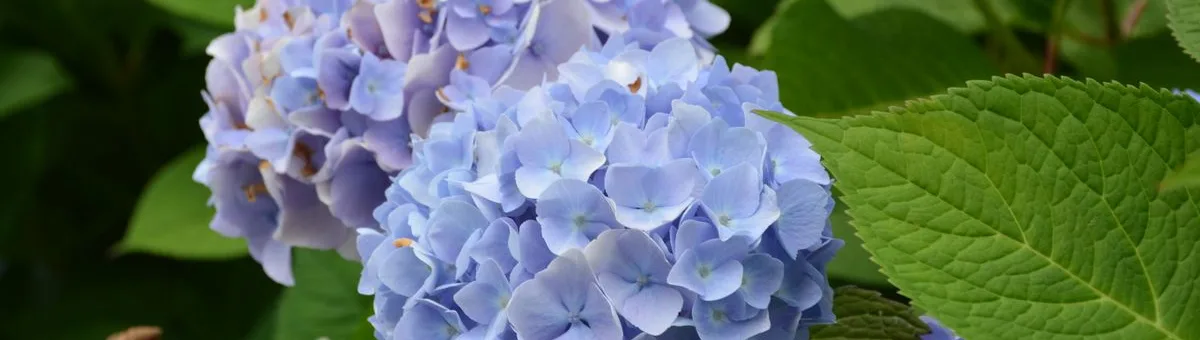
What an Atlantic garden means in northern Spain
“Atlantic garden” is a useful design shorthand for gardens influenced by the Atlantic-facing climate of northern Spain. It is not a guarantee of constant rain, mild winters or one uniform soil type. Elevation, distance from the coast, aspect and surrounding buildings can change the conditions within a short distance.
Begin with observation rather than a ready-made regional planting list. Note where rainwater runs or remains after a storm, which walls shelter the garden from wind, and where direct sun reaches the ground in the morning and afternoon. Repeat those observations in different seasons if possible. The result is a more useful planting map than assuming every northern plot behaves like the coast.
Assess rainfall, wind, light and soil on your plot
Separate the garden into practical zones. A sheltered bed against a wall may be warmer and drier than an exposed border, while shade under mature trees may be dry because the canopy intercepts rain and roots compete for water. A low point can stay wet long after a slope has drained.
- Rain and runoff: watch where water enters, flows and collects. Check during more than one rainfall event before deciding that a bed is permanently wet.
- Wind: identify exposed corners and salt-laden coastal air where relevant. Use existing walls or hedges as shelter only if they do not create excessive shade or turbulence.
- Light: record direct sun and dappled shade at different times. A “shady garden” can still contain sunny edges suitable for different plants.
- Soil: note texture and compaction, then test pH in the planting area. Soil conditions can differ between beds.
Plan differently for the coast and inland sites
A garden close to the sea can face salt carried by wind and faster drying, even in a region with a wet reputation. The RHS coastal-planting guidance recommends assessing exposure and creating a wind-filtering shelter where needed; it cautions that a solid barrier can create turbulence. A sheltered coastal courtyard, an exposed headland and an inland garden at altitude therefore need different planting plans.
For an exposed plot, first map the direction from which strong winds arrive and protect the planting as it establishes. A porous hedge or temporary screen may be more appropriate than a solid fence, depending on boundaries and local conditions. Use plants whose labels or regional nursery guidance support that exposure. Do not assume that every shade plant suited to a damp woodland border will tolerate salt spray, or that a coastal plant will thrive in wet, heavy soil inland.
For inland sites, pay particular attention to frost pockets, cold-air drainage and the extra shelter provided by walls or mature planting. Record the conditions rather than copying a coastal plant list. A nearby garden can be useful evidence only if its elevation, aspect and soil are comparable.
Choose plants for the site, not the climate label
Match a plant’s mature size, light, moisture and soil requirements to one of the mapped zones. Check botanical names on labels because a common name can refer to different plants. Ask a regional nursery about winter exposure and cultivar performance, especially for plants sold as hardy or suitable for the north.
The table below is a way to screen ideas before buying, not a fixed palette for every garden:
| Garden zone | Possible direction | Check before planting |
|---|---|---|
| Acid soil with partial shade | Camellia or another ericaceous shrub | Test pH; confirm mature size, cultivar hardiness and wind shelter |
| Moist, shaded border | Suitable ferns or hostas | Distinguish moist soil from prolonged waterlogging; allow mature spread |
| Exposed coastal edge | Plants documented for wind and salt exposure | Check local suitability and protect new planting from drying wind |
| Sunny sheltered bed | Plants selected for the measured light and soil | Do not infer drought tolerance from the regional climate label |
Acid-soil plants: camellias and other ericaceous choices
Camellias are one possible feature shrub where the soil is suitable. The RHS describes them as acid-soil plants and notes that most cultivars prefer partial or dappled shade; container growing is an option where the garden soil is alkaline. That does not mean every garden in Galicia or along the Cantabrian coast is acidic. Test the soil before choosing camellias, rhododendrons, heathers or other ericaceous plants.
Place each shrub where its mature size fits the bed and where it is sheltered from damaging exposure. Follow the cultivar’s guidance for planting, watering and pruning. Avoid changing the pH of an entire bed with lime or acidifying materials just to accommodate one plant; a container may be a more controlled option.
Plants for moist shade and woodland edges
Some ferns and hostas can work in shaded borders with moisture-retentive soil. The RHS guidance describes hostas as generally suited to moist soil and partial shade, while its damp-shade planting advice offers examples of mixed foliage and flowering plants for those conditions. These are examples, not a universal recipe: check mature spread, slug pressure, soil and winter behaviour for the exact species or cultivar.
Do not confuse moisture-retentive soil with waterlogged roots. If water stands for long periods, improve the site where practical or choose plants adapted to that level of wetness. Simply adding more shade plants will not correct poor drainage.
Lay out paths, beds and rainwater movement
Draw a simple plan with doors, utilities, existing trees, views and routes for carrying tools or compost. Put the main path where it reaches the areas that need regular care. A narrow bed can be maintained from one side; a deeper bed needs access that does not require walking on wet soil.
Use layers for structure: shrubs or small trees where their mature canopy fits, then mid-height plants, ground-level foliage and seasonal flowers. Leave enough room for plants to reach their expected size and for air to move through the border. Informal planting does not require overcrowding. Repeat a small number of forms or colours if you want visual rhythm, but preserve access to drains, taps and boundaries.
Where rainwater runs off a roof or paved area, decide where it should go before planting. Keep water away from foundations and direct it only to a place that can safely absorb it. A rain garden or soakaway needs suitable soil and local drainage conditions; do not assume every wet corner can accept additional runoff.
Turn site observations into a simple planting plan
Imagine a small northern garden with a sunny patio beside the house, an exposed boundary and a shaded bed under an existing tree. The useful plan is not to fill each zone with the same “Atlantic” plants. Instead, measure the patio and paths, note where runoff lands, and test soil in the shaded bed and the open border separately. If the boundary receives strong coastal wind, plan a suitable filter or choose plants documented for exposure. If the tree roots make the shade dry, select for that condition rather than for a damp woodland bed.
Mark the largest plants first. Place a shrub only where its mature width leaves a path and where its light and soil needs fit. Then add smaller perennials in groups, keeping access to taps, drains and boundary fences. Repeat one or two shapes or colours to connect the zones, while letting the plant list change according to exposure. A simple paper plan can show these decisions more clearly than buying plants in the order they look attractive at a garden centre.
For a border, record each plant’s name, mature height and spread, preferred soil, flowering or foliage season, and maintenance notes. Leave gaps for access and growth; the RHS border-planning guidance recommends considering mature size and seasonal light when arranging plants. Review the plan after the first growing season and adjust only where the observed conditions or plant performance support a change.
Test soil and manage drainage before planting
Check pH, texture and drainage in the area where each plant will grow. A pH test helps distinguish acid from neutral or alkaline soil; existing vegetation is only a clue. Avoid liming or acidifying soil without a test and a clear planting reason. If a soil is compacted, saturated or difficult to work, wait until it is workable rather than digging it while wet.
Use mulch or compost only where it suits the plant and site. Keep mulch away from stems and trunks, and avoid burying the crowns of perennials. In containers, select a growing medium for the plant and ensure the pot drains freely. For advice on container setup and watering, see our guide to watering plants in pots.
If water remains on the surface for hours or days, treat that as a drainage problem to investigate, not as proof that every plant in the bed needs more water. The RHS notes that drainage work requires somewhere appropriate for surplus water to go; if there is no outlet, a raised bed or planting adapted to wet ground may be more realistic. Check local rules before changing runoff or directing it beyond your property.
Plan seasonal care around the plants and local weather
Use a flexible calendar rather than fixed dates for the whole north of Spain. Planting, pruning and watering windows depend on the species, altitude, soil and current weather. Follow the plant label or a specialist source for pruning time; flowering shrubs can set buds on different types of wood, so one generic pruning month may remove flowers.
During establishment, check new plants more often than established ones. Rain at the weather station does not prove that a root ball or container has been watered. In a wet period, check drainage and remove diseased material according to reliable plant-health advice. In dry spells, water the root zone when the soil and plant indicate it is needed rather than watering by calendar alone.
Common mistakes in a northern Atlantic garden
- Assuming every northern site has the same rain: local terrain and exposure matter. Use AEMET climate information for context and observe the actual plot.
- Planting acid lovers without checking pH: the region does not guarantee acidic soil. Test first or use an appropriate container setup.
- Calling every shaded bed “damp”: trees, roofs and walls can make shade dry, while a low area may remain saturated.
- Ignoring mature size: tight spacing creates future pruning and access problems, even when the young plants look small.
- Using one calendar for every species: local weather and plant biology should guide planting, pruning and watering.
A practical planting checklist
- Sketch buildings, paths, existing trees, utilities and the direction of prevailing exposure.
- Observe sun, runoff, standing water and wind in each proposed bed.
- Test soil pH where you plan acid-soil plants and check drainage before ordering shrubs.
- Choose species and cultivars by mature size, light, soil and maintenance needs.
- Keep labels and record what survives and flowers through a full seasonal cycle.
When ordering shrubs, check the delivery size and root condition, then plant while the soil is workable and not saturated or frozen. Water the root ball before planting and follow the species guidance for planting depth and spacing. The RHS shrub guide gives a general autumn-to-spring window for many shrubs in suitable ground, but plant type, weather and local conditions still matter. Newly planted shrubs may need attention through their establishment period, including in a rainy region if the root zone is dry or exposed to wind.
Keep a short record after planting: date, location, soil pH where relevant, rainfall or watering during dry periods, and any signs of stress. This helps distinguish a poor plant choice from a temporary establishment issue and makes future additions more accurate. If a plant repeatedly struggles, reassess light, soil and drainage before adding fertilizer or changing the whole bed.
For broader planning principles, see our garden design hub. For a different regional approach, compare the Mediterranean garden guide and the article on cottage-garden style.