

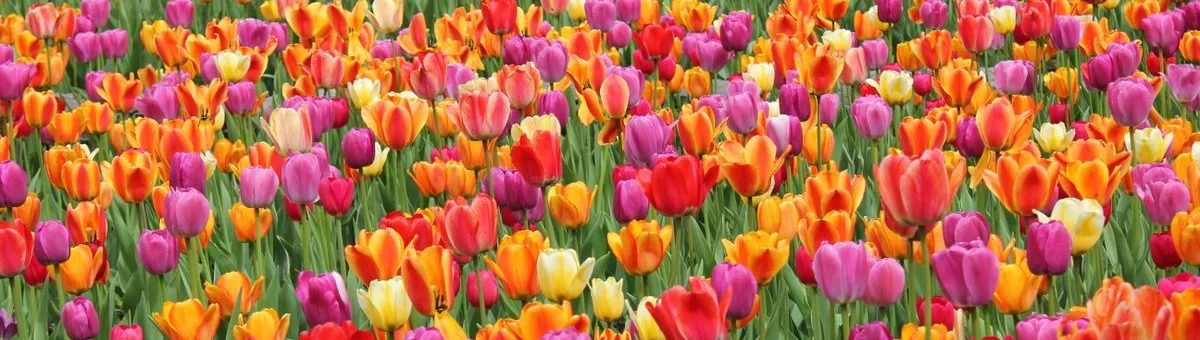
Choose a type for the display
Single early, Triumph, Darwin hybrid, lily-flowered, and parrot tulips differ in flower shape, height, and season. Use the supplier’s cultivar description to plan color and bloom sequence instead of relying on a fixed U.S. calendar. For a perennial-style planting, look for species tulips or cultivars described as suitable for naturalizing in your region; results still depend on drainage and summer conditions.
Plant bulbs in autumn
Choose a sunny site with loose, well-drained soil. Plant at the depth recommended on the package; a general bulb rule is about two to three times the bulb’s diameter. Set the pointed end upward and water after planting. In wet clay, choose a raised or better-drained site instead of placing gravel under each bulb. See NC State Extension’s Tulipa profile and University of Minnesota Extension’s bulb guide.
Maintain the bulb after bloom
Remove spent flower heads if you do not want seed to form, but keep green leaves until they yellow naturally. Do not braid or cut them early. If the display declines, check whether the cultivar suits your winter chill, whether foliage was removed too soon, or whether the bed stays wet during dormancy.
Warm-climate considerations
Tulips generally perform best where they receive a cool winter dormancy. In warmer regions, some cultivars require pre-chilling or may be used as one-season plantings; follow the supplier’s region-specific instructions. Do not refrigerate unless the supplier recommends it for that cultivar and planting schedule.
Decide between a one-season display and naturalizing
For the strongest one-season display, replace bulbs when flowering declines. For a planting intended to return, select species tulips or cultivars recommended for naturalizing locally and leave leaves until they yellow. A sunny, well-drained summer dormancy site is more favorable than a warm, wet bed. Even a well-chosen cultivar may perform differently from year to year.
Growing tulips in containers
Use a pot with several drainage openings and follow the supplier’s depth instructions. Cluster bulbs for a fuller display while leaving space between bulbs and the pot wall. Container-grown bulbs are more exposed to freeze-thaw cycles than bulbs in the ground; in cold regions, protect or move the pot as local extension guidance recommends. After bloom, keep the container somewhere the foliage can mature rather than hiding or cutting it early.
Compare tulip groups for shape and timing
Tulips are grouped by flower shape, flowering period, and parentage. Those categories help with design, but the cultivar label is the useful source for mature height, bloom window, and regional performance. If the goal is a coordinated display, choose bulbs for a similar height and exposure. If the goal is a longer season, combine early and later varieties while allowing for local weather shifts.
| Group to consider | Design characteristic | Planning check |
|---|---|---|
| Single early and double early | Early spring color and a range of simple or fuller flower forms | Check stem height and exposure to strong winds or heavy rain. |
| Triumph and Darwin hybrids | Common garden selections with cultivar-specific heights and timing | Read the individual description before planning repeat performance. |
| Lily-flowered and parrot types | Distinctive pointed or fringed petals for a focal display | Allow room for mature flowers and consider whether stems need shelter. |
| Species tulips | Smaller-scale forms that may be used for naturalizing in suitable sites | Confirm that the exact species and climate match the intended perennial use. |
Catalog names can be confusing, so record the complete cultivar name and supplier. Two tulips with the same color may flower at different times or have different stem heights. A “perennial” claim is conditional on climate and care; it does not mean every planting will return equally well. Check local recommendations and compare more than a photograph before paying a premium for a rare named selection.
Choose bulbs and plant them correctly
Look for firm bulbs that are appropriate for the planting season and your climate. A dry papery outer skin can be normal, but extensive soft areas, mold, or damage are reasons to avoid a bulb. Buy from a supplier that identifies the cultivar and provides clear depth, spacing, and chilling guidance. Plant promptly, and if you need to store bulbs briefly, follow the seller’s conditions instead of leaving them in a warm, damp room or sealed plastic.
Choose a sunny, well-drained site where the bulbs can remain undisturbed while their leaves mature. Loosen soil across the bed and check it after rain. In heavy wet ground, raise the planting area or find another site rather than putting a small gravel layer in the bottom of each hole. Follow the package depth and spacing. Set the pointed end upward and cover with soil without compacting it hard.
Water to settle dry soil after planting, but do not keep the bed constantly wet. Mark the location and save the variety label. If you plant a color block, use groups of several bulbs rather than a single straight line. This creates a fuller visual effect and makes gaps easier to recognize in spring. Avoid placing bulbs where annual digging, edging, or a future construction project will disturb them.
For a warm-climate planting, verify the chilling instructions for the exact cultivar and supplier. Some tulips are sold for pre-chilling or seasonal use, while others may not suit a warm winter. Do not apply a generic refrigerator schedule: it can be ineffective or unsafe for bulbs stored with fruit or in a damp refrigerator. The supplier’s guidance and local extension advice should determine timing.
Care for tulips from shoot to dormancy
At emergence: check that shoots are not trapped under a thick mulch layer and look for animal damage. Water if the soil is dry during active growth, especially in an unusually dry spring. Avoid excess nitrogen and avoid disturbing the bulb area when shoots are visible.
During bloom: support tall cultivars if the site is exposed to wind. Remove faded flower heads if you do not want seed to develop, but keep leaves and stems. For cut flowers, use clean shears and harvest at the stage appropriate for the intended vase display. Keep cut stems away from food and follow a florist’s handling guidance if the flowers will be used in arrangements.
After bloom: leave foliage intact and allow it to yellow on the plant. This is the period when the bulb replenishes reserves. Do not braid leaves or mow them down to make the garden tidy. Plan companions that can cover the fading foliage without shading it. If the planting is in a pot, leave it in a position where leaves can receive light and finish growing.
During dormancy: note whether the site stays wet through summer. Tulip bulbs may be less reliable in warm, wet dormancy conditions, which is why a seasonal replanting can be a practical choice. If lifting bulbs is recommended for your region and cultivar, wait until foliage has died and follow the supplier’s storage advice. Label bulbs as you lift them and discard any that are soft or rotten.
Troubleshoot weak tulip flowering
| What happens | Possible cause to investigate | What to change next season |
|---|---|---|
| Leaves emerge but buds do not | Bulb maturity, early foliage removal, low light, or unsuitable winter conditions | Check the bulb source and keep leaves until they yellow; do not add fertilizer blindly. |
| Flowers are short or distorted | Weather, cultivar characteristics, bulb health, or crowding | Compare the named cultivar description and spacing before changing depth. |
| Bulbs rot after planting | Waterlogged soil, damaged bulbs, or a container without drainage | Correct drainage across the bed and use sound bulbs with open drainage holes. |
| Display weakens after the first year | Hybrid performance, warm or wet summers, or foliage cut too early | Choose local naturalizing selections or plan a seasonal replacement display. |
| Leaves have spots or are chewed | Wet foliage, disease, or an insect feeding pattern | Inspect carefully and seek local identification before any pesticide use. |
Do not diagnose tulip fire, virus, or insect damage from a vague description alone. If symptoms spread among bulbs, take photos and a sample to a local extension diagnostic service and avoid moving affected material around the garden. Clean tools after handling diseased foliage. Pesticide labels must list the target and plant, and directions should be followed exactly.
Design tulip beds and cut-flower rows
For a formal bed, use one cultivar in repeated blocks and mark the boundaries before planting. For a more natural look, repeat small groups through the same area instead of scattering single bulbs. Keep colors and bloom times in mind, but avoid relying on a retailer’s image to predict the exact shade; photos, screens, and light can change how color appears.
Cut-flower growers may prefer a dedicated row that can be replanted and accessed from both sides. Select varieties for stem length and timing, then test a small number before expanding. Flowers harvested from garden varieties may not have the same stem quality as florist selections. Cut with clean tools and do not remove all leaves from the bulb during active growth.
If you want tulips to return, choose a site where leaves can mature and where bulbs are not lifted by routine maintenance. Pair them with later perennials that emerge as tulip leaves fade. If the design depends on an exact color block every spring, treat annual replacement as part of the plan rather than as a failure. Different goals call for different cultivars and maintenance schedules.
Plan tulips in a mild-winter climate
In a region with mild winters, the first decision is whether you want to attempt perennial tulips or grow them as a seasonal display. Do not buy a standard mix and assume that every bulb will receive the winter conditions it needs. Ask the supplier whether the named cultivar is appropriate for your region and whether it has been prepared for planting there. Local gardening advice can clarify whether a variety has performed outside its traditional climate range.
| Question before purchase | Why it changes the plan | Where to verify |
|---|---|---|
| Does this cultivar suit my local winter? | Some tulips need a cool winter period for dependable flowering. | Supplier’s cultivar notes and regional extension guidance. |
| Is pre-chilling recommended? | Requirements differ by cultivar and by how bulbs were stored. | Use only the exact supplier instructions; there is no universal schedule. |
| Will the bed stay wet in summer? | Warm, wet dormancy can reduce repeat performance. | Observe the site after rain and choose a well-drained position. |
| Am I planning a one-season or repeat display? | Replacement timing, cost, and cultivar selection differ. | Decide before ordering so the display matches the maintenance plan. |
If the supplier recommends pre-chilling, follow its instructions exactly and keep bulbs separate from produce and from any source of excess moisture. Do not use a household refrigerator without checking the directions and avoiding storage alongside ripening fruit. A treatment that is too short, too long, or applied to the wrong cultivar can fail; generic internet schedules should not replace the supplier’s guidance.
In warm regions, a seasonal display may be the simpler and more predictable option. Plant at the recommended time in a sunny, well-drained position, enjoy the flowers, and let the foliage mature before removing it. If flowering is weak the following year, compare the cultivar’s climate needs and summer drainage before assuming that more fertilizer will help. A new seasonal planting can be planned with different varieties or another spring bulb that is better suited to local winters.
For containers in warm climates, use a pot with open drainage and a medium that does not remain saturated through dormancy. Place it where the bulbs receive the needed cool period only if that is part of the supplier’s method. Do not leave a decorative pot standing in rainwater. Label the cultivar and date, then note its bloom timing and repeat performance; those observations are valuable for local garden planning.