

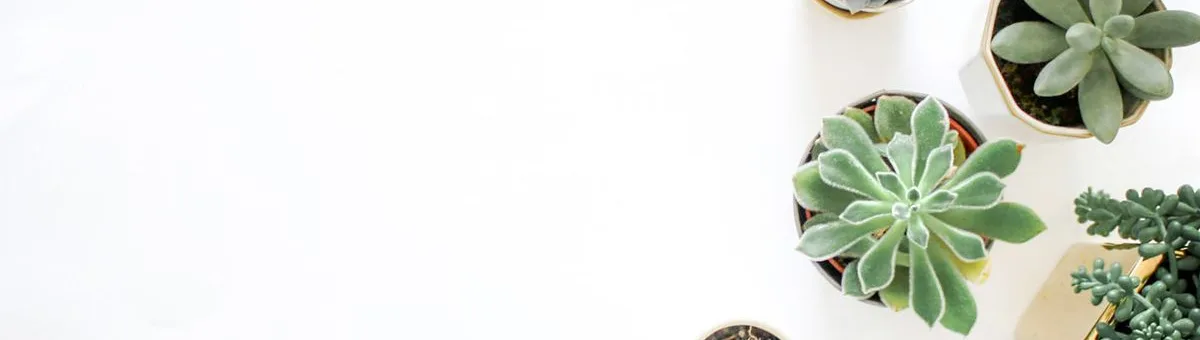
Give the plant suitable light
Place the pot in a bright location and watch for changes after moving it. Gradual acclimation helps when a plant goes from shade to stronger direct sun. Some succulents tolerate partial shade better than others, so the botanical name and the label matter more than a generic “sun-loving” tag. The University of Minnesota Extension’s succulent guide provides a useful overview and emphasizes species-specific requirements.
Keep sharp or irritating plants out of risky spots
Some succulent plants have sharp edges, spines or sap that can irritate skin. Identify the plant and place it where children and pets cannot knock it over or handle it. Wear gloves when repotting and wash tools and hands afterward. Do not assume all fleshy-leaved plants are harmless because they are small or commonly sold as houseplants.
Protect tender plants from prolonged rain
Outdoor containers may receive more water than expected during a long rainy period. Move tender succulents under a bright shelter when local conditions warrant, while maintaining airflow. Do not place the pot in a dark shed for an extended period. Check species tolerance before exposing plants to cold nights, heat reflected from paving or intense afternoon sun.
Manage roots, drainage and moisture
Use a container with drainage holes and a mix that lets excess water move away from the root zone. Water thoroughly when needed, then empty runoff; avoid repeated small sips that wet only the surface. The drying rate depends on pot material, size, temperature, light and the plant’s roots. Do not use a single watering interval for all succulents.
Compare symptom location before treating
A damaged lower leaf, a sun-facing patch and a soft crown point to different possibilities. Note where symptoms first appeared and whether they affect old or new growth. Check for mechanical damage, cold exposure and wet mix before treating for a disease. A clear photograph and the plant label can help a local extension service give a more useful diagnosis.
Leave room for inspection in a mixed pot
Keep rosettes, crowns and stem bases visible above the medium so they can dry and be inspected. Do not pack decorative stones tightly against the plant base. Leave a little space between plants to limit crowding and make it easier to remove a damaged leaf or check for insects. A visually full arrangement may need more frequent monitoring than separate pots.
Propagate only when the plant suits it
Some succulents root from leaves or stem cuttings, while others do not respond the same way. Use a clean tool, let cut surfaces dry when species guidance recommends it, and start with a healthy parent plant. Illinois Extension’s succulent container guide covers planting and propagation basics. For cacti specifically, see our indoor cactus guide.
Label offsets and cuttings as they develop
When a plant produces offsets, wait until each piece is large enough to handle and has a healthy base. Use a clean tool to separate it and record the parent plant name. Follow species guidance for drying or callusing a cut surface before planting. Newly separated pieces need observation and careful moisture management, not repeated watering to force quick growth.
Identify the succulent growth form
Succulents store water in leaves, stems or roots, but the term covers many unrelated plant groups. Rosette-forming plants, upright aloe-like plants, trailing stems and cacti do not all respond to the same light or watering. Keep the nursery label and learn the botanical name when possible. The University of Minnesota Extension guide is a useful starting point, but it cannot replace care instructions for a particular species.
Give indoor succulents bright light and acclimate moves
A bright position can help prevent weak, stretched growth, but a plant moved from shade into strong sun may scorch. Increase exposure gradually, especially after purchase or repotting. Outdoor succulents also need an acclimation period when moved from indoors. Watch new growth and leaf color over time; a single midday appearance is less useful than observing how the plant responds across several days.
Distinguish natural color from light stress
Some succulents change color with light or temperature, while pale or bleached areas may indicate damage. Learn the plant’s normal appearance from its label or a reliable species reference before changing its position. If exposure has changed, acclimate gradually and monitor new growth rather than expecting older leaves to regain their previous color.
Water the root zone, not just the leaf surface
When the growing medium has dried to the level appropriate for the plant, water it thoroughly and let excess run out. Repeated small sips can wet only part of the root ball and make the moisture hard to judge. A pot that remains wet can cause root problems, while a small pot in hot sun can dry quickly. Check the mix and plant, not a universal weekly schedule.
Do not use a spray bottle as the main watering method
Misting the leaf surface does not ensure that the entire root ball receives water. When the plant needs it, water the medium and let excess drain. Avoid leaving water pooled in a rosette or crown, especially where airflow is limited. If the mix remains wet, investigate the pot and medium before increasing the amount.
Use pot weight as one moisture clue
Lift the container before and after watering to learn how its weight changes as the medium dries. This is only one clue; pot size, material, plant roots and mix all matter. Combine it with a check below the surface, then record the pattern. Do not water simply because a neighboring pot feels light; its plant may have different needs.
Choose a growing medium that suits pot and climate
Use a container medium that drains freely and does not remain saturated around the roots. The plant, pot material, indoor humidity and watering habits all affect how quickly it dries. Illinois Extension’s container guide discusses drainage and growing media for succulent plantings. Do not assume that adding a fixed amount of sand or gravel automatically improves a mix; observe the actual drainage and adjust only when needed.
Select a pot for roots and water movement
A drainage hole makes it easier to remove excess water. Choose a pot that accommodates the root system while remaining stable for the plant’s height and shape. A larger pot can hold more wet medium than a small plant can use, so size up gradually when repotting. If you use an outer pot without a hole, lift the inner pot after watering and empty any trapped runoff.
Propagate only by methods that fit the plant
Some succulents can root from leaves, while others are more reliably propagated from stem cuttings, offsets or division. Check the plant’s identity first. Use a healthy parent, clean tools and a suitable medium; let a cut surface dry when guidance for that species calls for it. Keep new starts labeled and inspect them for rot rather than adding water every day to encourage roots.
Recognize stretching and leaf drop
Long spaces between leaves, leaning stems or a plant reaching toward a window can indicate insufficient light, though growth form also varies naturally. Increase light gradually and avoid expecting stretched stems to become compact again. Some lower leaves may dry as a plant grows, but widespread leaf drop should prompt a check of watering, temperature, drainage and recent moves.
Inspect the plant before using a treatment
Look closely at leaf joints, the underside of leaves and the growing point for insects, webbing or sticky residue. Keep a newly purchased or affected plant apart from the rest of a collection while you identify the issue. Remove badly damaged material with a clean tool. Use a pesticide only when the pest is identified and the product label lists the plant and indoor use you need.
Adjust succulent care to light and temperature
Seasonal changes affect how much light reaches a window and how quickly a pot dries. In brighter, warmer periods, check containers more often; during cooler, darker periods, avoid watering by the summer routine. Outdoor succulents need climate-appropriate protection from cold and excessive rain. Confirm the species’ tolerance before leaving a container outside through winter.
Build a collection around compatible care
Group plants by their actual light and moisture needs rather than by color or pot shape. Keep a simple note of each plant’s name, location, last watering and any change in growth. This makes it easier to spot patterns and reduces overwatering a plant that is still damp. For indoor cacti and their distinct care requirements, see our indoor cactus guide and the wider cacti and succulents guide.
Prevent rot by correcting persistent wetness
Soft, translucent or darkened leaves can follow excess moisture, though cold, injury and disease may look similar. Check the plant base and roots, confirm that the pot drains, and let the mix dry to the level appropriate for the species. Remove badly affected material with a clean tool. If the crown or roots are extensively damaged, a healthy cutting or offset may be the only part worth saving.
Repot carefully when roots have filled the pot
Repot when roots crowd the container, the medium no longer drains well or the plant is unstable. Choose a pot only modestly larger than the root mass, keep drainage open and use fresh medium suited to the plant. After root disturbance, follow species guidance on when to water; do not immediately soak damaged roots. Avoid repotting simply because a decorative arrangement looks crowded if the plants have different needs.
Move outdoor succulents gradually
Some succulents can grow outside in suitable conditions, while others are tender and need protection from cold or prolonged rain. Check the species and local climate before moving a houseplant outdoors. Acclimate it gradually to brighter light and outdoor airflow, and place the container where water can drain. Bring it back under protection before weather exceeds its tolerance, using regional guidance.
Build mixed arrangements only from compatible plants
A mixed succulent bowl looks cohesive, but species with different light, growth rate and moisture needs can become difficult to care for together. Compare labels before combining plants. Use an arrangement with drainage, leave enough room to inspect each plant and avoid burying crowns or rosettes in wet soil. Separate species into individual pots when one needs more frequent watering or a different seasonal location.
Observe new growth after changing a plant’s location
Give the plant time to respond after moving it, and monitor fresh leaves rather than judging only older growth. A slow-growing succulent may not show an immediate response. Keep notes about light, watering and temperature so you can identify which change helped. For cacti with different seasonal and light requirements, see our indoor cactus care guide.
Give a newly moved succulent time to respond
After moving a succulent to a brighter window or outdoors, watch the newest leaves and stems for several weeks. Gradual acclimation reduces the chance of sun damage, while a stable position makes it easier to judge whether the plant is adapting. Mark the move date and note watering, because a plant using less light may also dry more slowly. Remove only leaves that are fully dead or damaged; leaves that are still firm can provide useful clues about the plant’s condition. If the plant is a mixed arrangement, check each species separately rather than treating the planter as one uniform plant. The University of Minnesota guide and this Illinois Extension container guide can help you match care to the plant and its growing setup.