

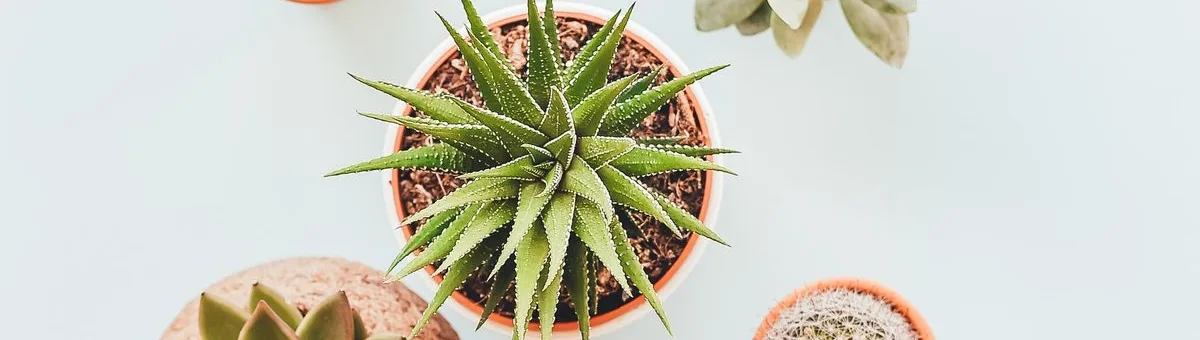
Choose the right light gradually
Many desert cacti need strong light, often brighter than a typical room provides. Place the plant near an appropriate bright window, then increase exposure gradually to avoid sudden scorch. Holiday cacti generally need protection from the strongest direct sun. If growth becomes elongated or leans toward the window, reassess light and rotate the pot when practical. The University of Minnesota Extension’s cactus guide describes bright light and species variation.
Avoid a sudden move into strong sun
A cactus purchased from a shaded store may not be acclimated to direct window sun. Begin in bright indirect light, then increase exposure over time while checking for bleached or scorched patches. Once positioned, keep its light relatively consistent. A few hours of sun through glass can be intense in summer, particularly near reflective surfaces.
Use a draining pot and suitable mix
Choose a container with drainage holes and a growing medium that suits the species. A dense garden soil can stay wet in a pot; use a mix made for containers and adjust only when you understand how it behaves. Empty standing water from a cachepot or saucer after watering. Avoid relying on a layer of gravel at the bottom as a replacement for a drainage opening.
Protect the root ball when changing pots
Remove a cactus from its old container carefully, supporting it with paper or gloves rather than pulling the stem. Inspect for dead or damaged roots and place the plant at a similar depth in fresh, appropriate medium. Keep the stem base above the mix and ensure the container drains. Follow species guidance on when to resume watering after any root disturbance.
Water according to the plant’s growth
Water thoroughly, then allow the medium to dry to the level appropriate for the type and season. Do not mist the soil surface as a substitute for watering the root zone, and do not use a fixed schedule. Cool, dim conditions usually slow growth and water use. Some cacti can flower when seasonal light and temperature conditions suit them, but flowering is not guaranteed by a single winter trick.
Separate root damage from simple thirst
A drooping or shriveled cactus may be dry, but persistent wetness can also damage roots and make the plant unable to take up moisture. Check the medium, drainage and stem firmness before watering. If roots are soft or the base is discolored, isolate the plant and consult species-specific advice rather than repeatedly adding water.
Keep a cactus care record through seasonal changes
Write down the plant name, window position, pot type and watering observations. Note when growth slows or resumes so you can compare care across seasons. This is more reliable than copying a monthly schedule from another home. If leaves or stems change, use the record to see whether the plant was recently moved, watered or repotted.
Dust and inspect without damaging spines
Dust can collect on indoor plants and hide pests. Use a soft brush or a careful stream of air where appropriate, keeping hands away from spines and avoiding moisture trapped in the crown. Inspect crevices and the base while cleaning. If a cactus is too spiny to handle safely, move the pot with a protective sleeve instead of cleaning it by hand.
Water a holiday cactus differently from a desert cactus
Holiday cacti are epiphytic rather than desert forms, so the same long dry interval may not suit both. Identify the plant and check a trusted care guide for its preferred medium and moisture pattern. Do not use the common name alone as a care instruction: several plants are sold under similar seasonal names, and their growing requirements can differ.
For the wider plant group, see our cacti and succulents guide.
Tell a desert cactus from a forest cactus
The word cactus covers plants adapted to very different settings. Many familiar desert cacti store water in stems and need strong light with a drying interval between waterings. Epiphytic holiday cacti grow on trees in their native habitats and generally need a different mix and moisture pattern. Check the botanical name and label before applying a generic cactus-care rule. The University of Minnesota Extension emphasizes that species within this group vary.
Choose the brightest suitable indoor position
Place a desert cactus near a bright window where it can receive the light its species needs. A sudden move from a dim store display to strong direct sun can scorch growth, so increase exposure gradually and watch the plant. A holiday cactus may need protection from intense midday sun. Rotate the pot occasionally if the plant consistently leans toward the light, but avoid changing its conditions abruptly.
Use elongated growth as a light clue
A cactus that becomes narrow, pale or tilted may be stretching toward a light source. That growth will not return to its former shape, but a better position can support healthier new growth. Move the plant gradually to brighter conditions and keep it stable there. Do not respond by adding extra water or fertilizer unless the root zone and species indicate those needs.
Choose a container with drainage for indoor cacti
Use a pot with an open drainage hole and a size that supports the root ball without surrounding it with a large volume of wet mix. A decorative cachepot can hide the nursery pot, but drain runoff after watering. Avoid letting a cactus sit in a saucer full of water. For repotting, check root condition and choose a container only modestly larger than necessary.
Use a medium that dries appropriately for the species
A compact, moisture-retentive garden soil can stay wet too long in an indoor pot. Choose a commercial cactus medium or a mix suited to the plant and local indoor conditions, and observe how quickly it dries. The right medium depends on the pot, light and watering pattern, so do not rely on one fixed sand percentage. The University of Minnesota Extension provides a broader guide to cacti and succulents.
Water thoroughly, then allow the mix to dry as appropriate
When a desert cactus needs water, wet the root zone evenly and let surplus drain. Wait until the medium has dried to the degree appropriate for the species before watering again. A calendar interval can fail because indoor temperature, light, pot size and season change drying speed. For an epiphytic holiday cactus, follow its distinct care guidance rather than leaving it dry for the same period as a desert species.
Adjust care when growth slows
Indoor cacti may grow more slowly when light and temperature fall. Observe the plant rather than assuming that the same amount of water is needed all year. A temperate species may also require seasonal conditions that an indoor room cannot provide; verify the species before deciding where it should spend winter. Do not force growth with fertilizer when light is limited or the plant is resting.
Set realistic expectations for flowering
Cactus flowering depends on maturity, species, light and seasonal growing conditions. A healthy plant may not flower on a predictable date, and indoor conditions may not reproduce the cycle it needs. Provide suitable light, avoid damaging roots and use species-specific seasonal advice. Do not use a bloom stimulant or extra fertilizer as a substitute for identifying the plant’s natural requirements.
Check roots and conditions when a cactus declines
Soft, darkened areas or a persistent collapse can indicate a serious problem, but discoloration can have more than one cause. Check whether the mix is wet, drainage is open, the plant has been exposed to cold or sudden sun, and whether damage is localized. Isolate a cactus with visible pests from nearby plants and identify the cause before treating it.
Separate normal growth from a damaged patch
A corky area on an older stem may differ from a soft, spreading or sun-bleached patch. Compare the location, texture and timing of the change, and take a photograph before handling the plant. Check light, temperature and root moisture. If damage progresses, isolate the cactus and seek species-specific advice before cutting or applying treatment.
Maintain indoor cacti with simple, careful handling
Wear gloves or use folded paper when handling spiny plants, and keep the pot stable while moving it. Remove dead material only with a clean tool and avoid touching sap or spines with bare hands. Inspect new plants before placing them beside a collection. For broader care across fleshy-leaved plants, see our cacti and succulents guide.
Handle spiny plants without damaging yourself or the cactus
Use thick gloves, folded paper or suitable tongs to stabilize a cactus while moving it, and avoid squeezing the stem. For a large plant, get help rather than lifting it by the spines or forcing it from the pot. Keep loose spines away from children and pets, and clean tools after removing a damaged section. Handle sap or plant material according to the species guidance.
Repot when the root system or mix needs attention
A cactus does not need a larger pot every year. Consider repotting when roots fill the container, the medium has degraded or drainage has become poor. Use a clean pot with a drainage hole and a mix suited to the species. Protect the plant with paper or gloves, inspect roots for damage and allow any fresh wounds to dry as recommended before returning to normal watering.
Keep light adequate as the season changes
Window light changes through the year, and a plant that did well in summer may receive much less light in winter. Observe the plant’s shape and new growth, then reposition it gradually if necessary. Do not place a cactus against cold glass or above a heater without checking how the temperature changes. Species-specific winter rest requirements are different from simply leaving a plant in darkness.
Inspect new cacti and isolate suspected pests
When bringing a new cactus indoors, inspect the growing point, base and crevices for visible insects or damage. Keep it separate from a collection while you watch for problems. If you find a pest, identify it before treatment and check whether the product is labeled for indoor ornamental plants and the cactus species. Do not use an outdoor pesticide inside unless the label explicitly permits that setting.
Choose an indoor cactus for the light you can provide
Before purchasing, identify the species and ask how much light and seasonal change it needs. A compact plant in a shop may have been grown under controlled conditions and may respond differently on a dim shelf at home. Choose a plant that fits the available window, pot size and care routine. For a broader comparison with leafy, fleshy succulents, see our succulent care guide.
Adjust one condition at a time
When an indoor cactus changes shape or color, first compare its current position with the light it received before. Rotate the pot gradually if growth leans toward a window, and avoid moving a shaded plant straight into intense midday sun. Then check the mix below the surface and look for standing water in the saucer. Make one change, label the date, and observe new growth; old stretched stems will not become compact again. This approach avoids overwatering a plant that is actually short of light or exposing it to abrupt temperature shifts while trying to correct a watering problem. The University of Minnesota cactus and succulent guidance is a useful starting point, but identify the plant first because desert and forest cacti have different needs.