

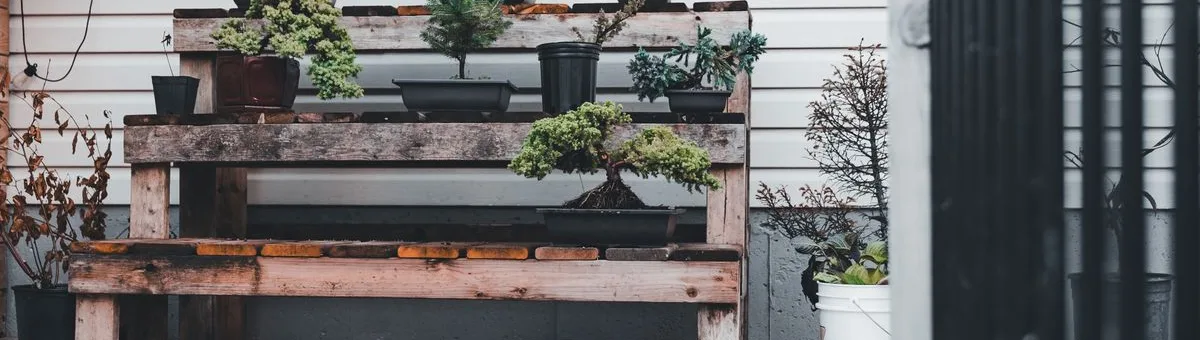
Identify the tree before choosing a location
Keep the nursery label and confirm the botanical name. Many temperate trees need outdoor light and seasonal temperature changes; placing one permanently in a heated room can prevent normal growth. Tropical species such as some figs are more suitable for indoor growing but still need strong light. The RHS bonsai guide separates care for outdoor bonsai from indoor species; Virginia Tech’s bonsai guide explains training, pruning and container basics.
Water by checking the root zone
Small containers hold limited water and can dry at different rates depending on species, soil, weather and exposure. Check the growing medium regularly and water thoroughly when the plant needs it, allowing excess water to leave through the drainage holes. Do not follow a fixed daily or weekly schedule. Keep the pot’s drain openings clear and use a growing medium suited to the tree and climate.
Prune and wire in the right season
Learn whether the species flowers on old or new growth and when it is actively growing before pruning. Remove dead or damaged growth first. Wiring can damage bark or branches if tightened or left unchecked; beginners should practice on expendable material and consult species-specific guidance before major structural work. Repotting and root pruning are also seasonal tasks, not routine annual chores for every tree.
Start with a healthy, correctly identified plant and keep a simple record of watering, growth and seasonal changes. Avoid buying a tool kit before you know what the tree requires. See the RHS and Virginia Tech guides linked above for more detail.
Identify the bonsai species before choosing its care
Bonsai is a way of growing and shaping a woody plant in a container, not a single species with one care schedule. A label that says only “bonsai” is incomplete for practical care. Find the botanical name and determine whether the tree is temperate or tropical, evergreen or deciduous, and suited to indoor or outdoor conditions. Virginia Tech Extension’s bonsai guide explains why the species determines placement, seasonal rest and pruning decisions.
Choose indoor or outdoor bonsai by species
A temperate tree generally needs outdoor light and seasonal changes; a warm room is not automatically a suitable substitute for winter. Tropical bonsai may tolerate indoor growing better, but they still need bright light and care adapted to indoor humidity and airflow. The Royal Horticultural Society separates indoor and outdoor bonsai care for this reason. Ask the seller for the botanical name before buying a tree described simply as an indoor bonsai.
Place bonsai where light and weather suit the tree
Choose a position after checking the plant’s light needs, local temperatures, wind exposure and access to water. Outdoors, protect a small pot from harsh drying wind and abrupt temperature extremes while preserving the tree’s seasonal requirements. Indoors, use the brightest appropriate window and rotate the pot gradually if growth leans. Avoid moving a tree repeatedly between very different environments without acclimation.
Check the root zone before watering bonsai
Bonsai pots hold a small amount of growing medium, so they can dry quickly, especially in wind or warm weather. Check the surface and feel the mix below it rather than relying on a fixed daily schedule. When watering is needed, wet the root ball thoroughly and let excess drain from the pot. Do not leave the pot standing in a tray of water unless species-specific guidance calls for a managed water tray.
Check moisture at more than one point in a shallow pot
A shallow bonsai pot may dry unevenly around roots, especially if the soil surface is sloped or water runs down one side. Check several areas and observe how quickly the whole pot changes. When watering, distribute water across the surface and let it drain. If water bypasses the root mass, review the medium and root condition before increasing frequency.
How to water when the surface looks dry
A shallow bonsai pot can have a dry surface while the medium below still holds water. Check more than one point and account for the tree species and the material of the mix. When the root zone is ready, water across the surface so moisture reaches the whole root ball. If water runs immediately down the sides, the mix may have shrunk or become difficult to wet evenly; follow species-specific guidance before changing it.
Keep drainage openings clear and use a suitable mix
A shallow pot needs functioning drainage holes. Covering them with mesh can reduce soil loss while leaving water able to escape; placing gravel over blocked holes does not solve a drainage problem. Bonsai growing media vary with species, climate, watering habits and training stage, so avoid a universal recipe. Follow the nursery’s instructions and observe whether the mix dries evenly or remains wet at the center.
Feed according to growth and the product label
A bonsai in active growth may need nutrients, while a dormant, stressed or recently repotted tree can have different needs. Use a fertilizer intended for the plant and follow the label rate and interval; do not scale up a garden-bed dose for a tiny pot. More fertilizer will not correct insufficient light, root rot, a poor soil mix or a watering problem. Record what you apply so repeated doses are not accidental.
Prune for health before refining the silhouette
Remove dead or damaged growth with clean tools and learn the species’ growth cycle before making structural cuts. Routine trimming and major branch pruning are different operations. If you are new to the tree, make modest cuts and observe how it responds rather than removing many branches at once. Virginia Tech Extension discusses pruning as part of training but the timing and method still depend on species and local conditions.
Choose one training goal before making a cut
Before pruning, decide whether you are removing dead growth, shortening a shoot or changing the tree structure. These goals require different levels of intervention. Take a photograph first and make only the cuts you understand; this makes it easier to compare the response later. Avoid copying a pruning diagram for a different species or stage of growth.
Use training wire carefully and inspect it often
Wire is a temporary guide for branch position, not a permanent support. Apply it without crushing bark, and inspect wired branches regularly as they thicken. Remove or adjust it before it begins to mark the trunk or branch; do not wait for a fixed number of weeks because growth rates vary. Beginners can shape a small tree with selective pruning and ties before attempting complex wiring.
Repot when roots and the growing medium indicate a need
Repotting is not a yearly ritual for every bonsai. Species, age, vigor, pot size and root condition affect the interval. When the medium no longer drains properly or roots fill the container, follow species-specific guidance and choose an appropriate season. Avoid combining severe root pruning, major branch pruning and a stressful move unless a reliable care plan supports it. After repotting, protect the tree from extreme conditions while it recovers.
Check for recovery before resuming normal care
After repotting, watch for stable leaves and new growth rather than expecting a precise recovery deadline. Keep the tree in a suitable environment and avoid letting the small root ball swing between very wet and dry. If the tree is declining, review the species, season, root work and medium, then ask a bonsai society or extension service for species-specific advice.
Read changes in leaves and shoots as clues
Sudden leaf drop, pale growth or dried tips may follow a change in light, water, temperature or root health. Note when the symptom began, check the growing medium and inspect both sides of leaves and the branch structure. Do not react by pruning, repotting and feeding all at once; multiple changes make it harder to learn what helped. Seek species-specific advice when symptoms continue or spread.
Choose a forgiving first bonsai and keep its label
Select a healthy tree whose light and seasonal needs fit the place you can provide. Check that the trunk and branches are free from obvious damage, the growing medium is not persistently waterlogged, and the pot has drainage. Ask whether it is a temperate outdoor tree or a tropical indoor option, then keep the label and source information. For general plant selection beyond bonsai, see our plants guide.
Follow the tree’s seasonal cycle
A deciduous tree may lose its leaves in autumn as part of normal dormancy, while a tropical evergreen can react differently to indoor conditions. Learn what the species should do through the year before treating leaf drop as a problem. Outdoor bonsai should keep the seasonal cycle appropriate to the species; a heated indoor room can alter that cycle. Record when growth begins, slows and resumes in your climate.
Keep temperate and tropical bonsai on different seasonal plans
A deciduous outdoor tree may naturally lose leaves, while a tropical bonsai can respond differently to a short day or cold room. Keep the label and compare the species with a reliable seasonal guide. Do not move a temperate tree into a heated interior for winter simply because it is small. Temperature and rest requirements follow the species, not the container style.
Give a recently repotted tree time to recover
After repotting, protect the tree from conditions that cause rapid water loss while keeping it in the light and temperature range suitable for its species. Monitor the growing medium and avoid fertilizer or further pruning unless the care instructions recommend it. Some temporary changes may follow root work, but progressive decline warrants a check of watering, drainage and the repotting method.
Keep tools clean and match the cut to the branch
Use sharp, clean tools that suit the diameter of the branch. Clean blades between plants, especially if you remove visibly affected growth. Make deliberate cuts and avoid tearing bark or leaving a branch stub that damages surrounding tissue. Specialized bonsai tools can be useful for precision, but a beginner should first learn the species’ pruning response and practice on modest growth.
Choose a first tree by its growing conditions
The most suitable first bonsai is one whose light, temperature and seasonal needs fit your home or outdoor space. Ask the seller what species it is, where it has been grown and how it should overwinter. Avoid buying a tree solely for a dramatic shape if you cannot provide its required climate. Keep the label and instructions with the pot, and research the named species before pruning.
Keep a small care log while learning
Note the species, location, watering checks, new growth, pruning and any changes to the medium. A short record helps distinguish a seasonal change from an issue caused by a recent move or missed watering. It also discourages routine actions such as daily watering or monthly pruning that may not suit this particular tree. Compare observations with the Virginia Tech and RHS species-specific bonsai guidance.