🔍 Review 🌿 Generators ✅ Updated 2026 1 products reviewed March 24, 2026

▷ Böhmer-AG W3000i Dual Fuel Inverter Generator Review 2026 ✅

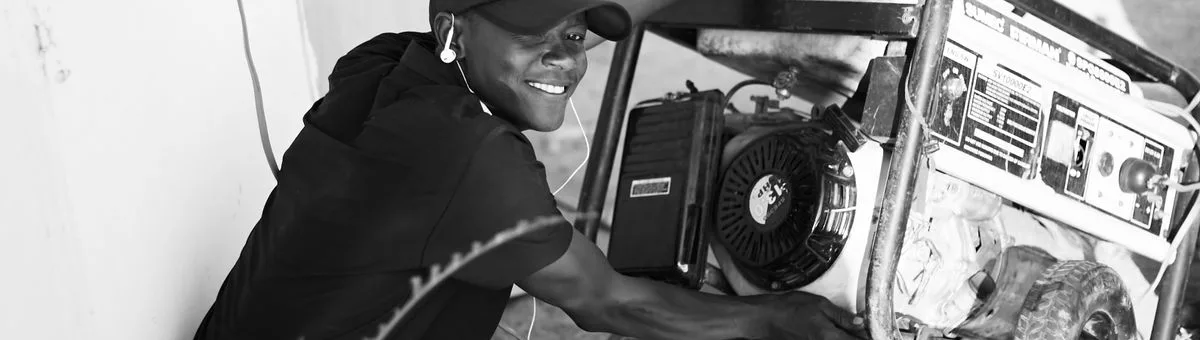
Bohmer AG W3000i compact inverter generator

Unlike traditional generators that can fry sensitive electronics with power fluctuations, the Böhmer-AG W3000i dual fuel inverter generator delivers stable, clean electricity. This European-engineered unit combines inverter technology with dual fuel flexibility, making it ideal for powering laptops, smartphones, medical devices, and modern appliances during emergencies.

Read this 2026 in-depth review to discover how the W3000i's quiet operation, advanced inverter technology, and fuel flexibility make it a premium choice for tech-conscious homeowners and professionals.

🏆 Best Quiet Dual Fuel Inverter

Böhmer-AG W3000i 3,000W Dual Fuel Inverter Generator

★★★★★ 4.5 (178 reviews)
  • 3,000W starting / 2,800W running (gas)
  • Pure sine wave inverter — safe for all electronics
  • 64–68 dB ultra-quiet operation
  • Dual fuel gas/propane + 2-year warranty
Check Price on Amazon

Price from Amazon.com · ships within US

Technical Specifications & Power Output

FeatureSpecification
Running Watts (Gas)2,800W
Starting Watts (Gas)3,000W
Running Watts (Propane)2,600W
Fuel Tank (Gas)2.6 gallons
Fuel Tank (Propane)Compatible with 20-lb BBQ tanks
Runtime (Gas at 50% load)6–7 hours
Runtime (Propane at 50% load)7+ hours
Noise Level64–68 dB (1/4 to full load, 23 feet)
EngineInverter-regulated 196cc OHV 4-stroke
Weight88 lbs
Warranty2 years full coverage

Inverter Technology: Why It Matters for Modern Electronics

What is Inverter Technology?

Traditional generators produce raw AC power with voltage fluctuations (typically ±10% variance). Inverter generators use advanced electronics to stabilize voltage and frequency to ±3% or better, producing "clean power" nearly identical to utility grid electricity. This makes them safe for laptops, smartphones, CPAP machines, and modern LED appliances.

W3000i Inverter Benefits

  • Safe for Sensitive Devices: Run computers, medical equipment, and modern appliances without risk of damage from power surges.
  • Parallel Capability: Two W3000i units can be connected in parallel to double output (5,600W total) using optional kits.
  • Fuel Efficiency: Inverter engines adjust RPM based on load, using less fuel than traditional generators running at constant speed.
  • Extended Runtime: Lower fuel consumption means more runtime per gallon — critical during extended outages.
  • Better for Appliances: Refrigerators, air compressors, and pumps run more smoothly with stable voltage.

Drawbacks of Inverter Technology

  • Higher Price: Inverter technology adds $150–300 to cost compared to traditional generators of similar wattage.
  • Lower Peak Power: 3,000W starting watts is less than comparable open-frame models (3,500–5,000W).
  • Complex Electronics: If the inverter circuit fails, repair requires specialist service (not DIY-friendly).

Pros & Cons Analysis

✅ Strongest Advantages

  • Whisper-Quiet Operation: At 64–68 dB, this is one of the quietest dual fuel generators on the market — comparable to normal conversation. Ideal for residential use and camping.
  • Lightweight & Portable: At only 88 lbs, one person can easily carry or move this unit. The ergonomic design includes comfortable handles.
  • Dual Fuel Flexibility: Switch between gasoline and propane based on availability and cost. Propane fuel stores 2+ years without degradation.
  • Clean Power Output: The inverter system guarantees safe operation of sensitive electronics, giving peace of mind during emergencies.
  • Extended Runtime: 6–7 hours on gas, 7+ hours on propane at half load — excellent for overnight power needs.
  • Electric Start: Push-button electric start with automatic choke makes cold-weather operation simple.

❌ Significant Limitations

  • Lower Power Output: 3,000W starting / 2,800W running is adequate for home backup but insufficient for heavy construction tools or large central AC units.
  • Premium Price Tag: Expect to pay $599–699 — significantly more than non-inverter dual fuel models (~$400–450).
  • Smaller Fuel Tank: 2.6-gallon gas tank means more frequent refueling compared to models with 3.5+ gallon tanks.
  • Limited US Service Network: Böhmer-AG is less common in the US than Champion or Honda, making authorized service harder to find.

Noise & Real-World Performance

The W3000i's inverter engine is engineered for quiet operation. At 64–68 dB across load ranges, it's substantially quieter than traditional generators. Normal conversation measures ~60 dB, putting the W3000i just slightly above that level at quarter load, versus 76 dB for an open-frame Champion 3500W or 85–95 dB for large portable generators.

The 3,000W starting capacity handles most household loads: refrigerators (600W), microwave (1,000W), coffee maker (1,200W), and lighting. For mixed simultaneous loads, the W3000i excels — running a fridge, lights, and charging devices simultaneously is no problem. Its inverter stability means appliances like smart TVs and computers operate smoothly without the "power flicker" seen with traditional generators.

Cold-weather starting is excellent thanks to the electric starter and automatic choke. Users report reliable starts down to 32°F. In extreme cold (below 0°F), using propane fuel instead of gasoline is recommended.

Gasoline vs. Propane: Operating Costs & Scenarios

FactorGasolinePropane
Running Power2,800W2,600W
Tank Capacity2.6 gallons20 lbs (standard BBQ tank)
Runtime at 50% Load6–7 hours7+ hours
Cost per Hour @ 50% Load~$0.85–1.10~$0.65–0.85
Storage Life6 months (with stabilizer)2–3 years
EmissionsModerateVery clean (90% reduction)

Choose gasoline for: Immediate availability, frequent short-duration use where refueling convenience matters. Choose propane for: Long-term emergency storage (2–3 years without degradation), lower operating costs during extended outages, and minimal maintenance. Many owners keep gasoline for day-to-day use and a charged propane tank as emergency backup.

How the Böhmer W3000i Stacks Up Against Competitors

ModelPowerDual Fuel?NoiseWeightPrice
Böhmer W3000i3,000W / 2,800WYes ✓64–68 dB88 lbs$599–$699
Champion 3500W3,500W / 3,100WYes ✓76 dB129 lbs$399–$449
Honda EU2200i (Gas only)2,200W / 1,800WNo49 dB47 lbs$1,499–$1,699
WEN 56203i3,000W / 2,350WNo63 dB79 lbs$499–$549

The Böhmer W3000i fills a unique niche — it's the most affordable dual fuel inverter generator with quiet operation. It costs $150 more than the Champion 3500W but delivers quieter operation and clean power. It's cheaper than the Honda EU2200i but provides more power. If your priority is quiet, clean power with fuel flexibility, the W3000i is a smart choice.

Final Verdict: Is the Böhmer W3000i Worth the Investment?

The Böhmer-AG W3000i dual fuel inverter generator is an excellent choice for users who prioritize quiet, clean power and fuel flexibility over raw power output. Its 64–68 dB operation is neighborhood-friendly, its inverter technology protects sensitive electronics, and the dual fuel capability provides long-term emergency preparedness.

Buy if you need to power computers, medical devices, or sensitive electronics safely, want the quietest generator in its class, value fuel flexibility for long-term emergency storage, or want electric push-button start without hand-pulling. Consider alternatives if you need more than 3,000W starting power or have a tight budget under $500.

What Can You Power with 3,000W Dual Fuel?

The 3,000W starting capacity of the Böhmer W3000i covers a surprising range of household and small commercial loads. A full refrigerator draws approximately 600W running power, meaning you can operate it simultaneously with other devices totaling 2,200W. A microwave at 1,000W plus a coffee maker at 1,200W consumes 2,200W combined—well within the running capacity. The generator handles overnight power needs during extended outages: a 40-watt LED lighting array (8 bulbs × 5W), a laptop charger (65W), and a CPAP machine (60W) total just 165W, leaving 2,635W for additional appliances or margin of safety.

Mixed-load scenarios are where the W3000i excels. A typical emergency scenario: refrigerator running (600W), microwave cycling (average 400W over time), LED lighting (40W), and multiple device chargers (100W). This totals 1,140W continuous, well below the 2,800W running maximum. The 3,000W starting capacity handles the microwave's inrush current without flickering or damaging sensitive electronics—critical because traditional generators with ±10% voltage variance would cause microwave failures or computer reboots.

What you cannot power: Central AC units (most require 5,000–8,000W starting power), electric water heaters (4,500–5,500W), large workshop air compressors (8,000+ W), or multiple high-power tools simultaneously. The W3000i is a home backup solution, not a construction-site generator. For occasional overnight outages, weekend RV trips, or powering a work-from-home office, the capacity is more than sufficient.

Gasoline vs Propane Operating Costs Over Time

Operating cost comparison reveals propane's advantage in extended outages. At current 2026 pricing (assuming $3.50/gallon gasoline, $2.50/gallon propane wholesale), the W3000i running at 50% load consumes approximately 0.35 gallons gasoline per hour or 1.2 pounds propane per hour. This translates to $1.23 per hour (gasoline) versus $0.75 per hour (propane)—propane costs 39% less to operate. Over a 48-hour outage, propane fuel savings amount to $23, a modest amount, but the advantage compounds during longer emergency periods.

The real propane advantage emerges in storage and seasonal use. A standard 20-pound BBQ propane tank (approximately 5 gallons liquid) maintains pressure and quality for 2–3 years without additives. Gasoline requires stabilizer (cost: $8–12 per bottle) and still degrades after 6 months in summer heat. During hurricane season, keeping a charged propane tank at standby costs nothing in fuel degradation, whereas a gasoline tank must be cycled and refilled quarterly—adding labor and creating disposal waste.

Long-term cost: A 2-year emergency preparedness cycle favors propane. Purchase cost ($40 initial propane fill) versus gasoline ($70 for fuel + $30 in stabilizer replacements + labor) shows propane at $40 versus gasoline's $100+. For homeowners who use the generator infrequently but want reliable backup, propane's "set it and forget it" fuel stability outweighs the slightly higher hourly consumption rate.

Dual-Fuel Generator Safety, Storage & Maintenance

Dual-fuel generators require different storage protocols depending on which fuel is active. If storing on gasoline, drain the tank completely or add fuel stabilizer; gasoline left in the carburetor over winter will gum up the jets, preventing clean starts in spring. Propane presents no such risk—simply turn off the propane supply valve and the fuel remains inert inside the sealed tank indefinitely. For seasonal users, the storage advantage alone justifies keeping a propane tank connected during off-season months (October–April).

Safety around dual-fuel equipment centers on fuel handling and exhaust management. Never refuel while the generator is running or hot; allow 5 minutes cool-down time after shutdown. Gasoline vapors are highly flammable—refuel outdoors only, never in garages or basements. Propane conversion kits include a regulator and safety shutoff valve; inspect the regulator hose annually for cracks or leaks. A slight rotten-egg odor around the propane connection indicates a leak—stop using the generator immediately and contact a propane supplier. Both fuels produce carbon monoxide (CO), an odorless killer gas; never run the generator indoors or in partially enclosed spaces like garages, basements, or crawl spaces, even with windows or doors open. Place the unit at least 20 feet from windows, doors, and vents to minimize CO ingress.

Maintenance differs slightly between fuels. Gasoline engines require oil changes every 50 hours (typically twice per season if used 25 hours/month); use SAE 10W-30 for the Böhmer's 196cc OHV engine. Spark plugs require inspection every 100 hours and replacement every 200 hours. Propane engines run cleaner and produce less carbon buildup, extending oil change intervals to 100 hours, but the spark plug schedule remains identical. Annual pre-season maintenance includes: drain old fuel and replace with fresh; clean or replace the air filter; inspect hoses and connections for cracks; test the automatic choke function; and verify that the battery holds charge (critical for electric-start models). Store the unit on a level surface in a dry location; moisture and temperature extremes accelerate rust inside the fuel tank.

🏆 Our Recommended Pick

Böhmer-AG W3000i 3,000W Dual Fuel Inverter Generator

★★★★★ 4.5 (178 reviews)
  • Quietest in class: 64–68 dB across all load ranges
  • Pure sine wave — safe for laptops & medical devices
  • Gas/propane flexibility — propane stores 2+ years
  • Electric start + 2-year full warranty
Check Price on Amazon

Price from Amazon.com · ships within US

Frequently Asked Questions

Frequently Asked Questions

Complete guide available

Discover all types, buying tips and comparisons in our definitive guide.

View complete guide: Dual Fuel Generators

About the publisher

Tu Jardín Pro
Tu Jardín ProGardening & Power Tools Specialist

We research, compare and test garden tools so you don't have to. Our team analyzes manufacturer specs, verified buyer reviews and specialist publications to bring you honest, practical recommendations.

✓ Amazon Verified Partner ✓ Specs verified with manufacturers ✓ Updated regularly
PrimeFree shipping on your garden purchases
Try Prime FREE for 30 days →