

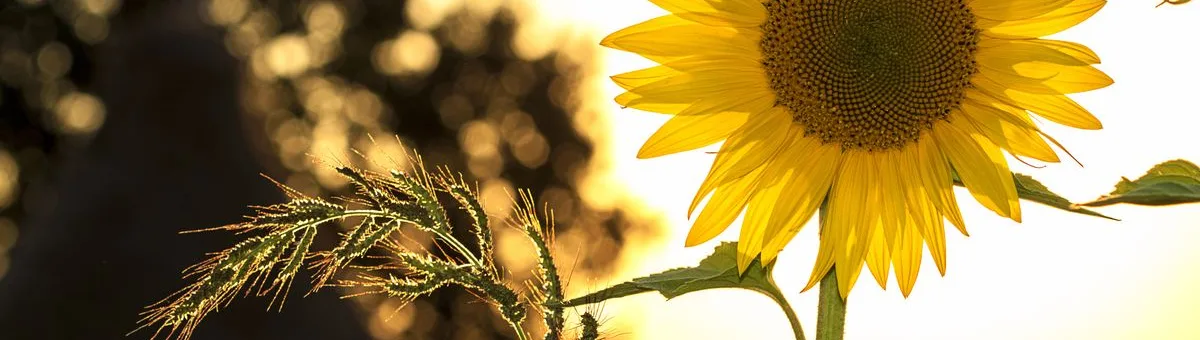
Choose a sunflower for the space you have
Annual sunflowers (Helianthus annuus) are the common garden type. A single-stem cultivar is useful when you want one prominent flower or a row of plants; branching cultivars can provide more stems for cutting. Compact cultivars are easier to place in pots, but container size still needs to support the plant and keep it from drying too quickly. Read the packet for mature height, flower size, branching, and whether the cultivar is intended for cutting or seed harvest. Those details are more dependable than a generic “best sunflower” list.
Before sowing, check the mature height against nearby paths, fences and other plants. Tall plants can shade a bed, and exposed sites may need support if wind rocks the stems. If you are planning a mixed seasonal border, see our guide to annual flowers for choosing plants with complementary bloom times.
Plan the bed before sowing
Sunflowers are easiest to manage when their final position is considered before the seed goes in. Place tall cultivars where they will not block shorter vegetables or flowers from light, and leave access to water and cut blooms. A row along a fence can make a useful summer screen, but it should not shade a neighboring bed that needs full sun. When planting for children or wildlife, choose a location where mature heads can be observed without walking through delicate plants.
Look at the site during the part of the day when you expect the sunflowers to receive light. Nearby buildings, hedges and trees can cast seasonal shade that is not obvious in early spring. Also consider wind exposure: a sheltered location can reduce stem movement, while an open site may be better for airflow but require support for tall cultivars. Avoid a low, poorly drained patch where water stands after rain.
Use the cultivar label as the planning document. Height, branching habit, days to bloom and mature spread vary, even among sunflowers with similar names. If a packet gives a range, plan for the larger mature size. Do not overcrowd seeds to create a dense display; thinning to the recommended spacing gives the remaining plants room to develop and makes watering and inspection easier.
Also decide whether you want one showy stem, repeated cut flowers or a seed head for birds. A branching cultivar may suit cutting better than a single-stem type, while a compact variety can fit a container or the front of a border. For children’s gardens, choose a size that can be observed safely without climbing or standing beneath a heavy mature head. These goals affect cultivar choice more than a generic ranking does.
When to plant sunflowers
In much of the United States, gardeners sow sunflower seeds outdoors after the last frost risk has passed and the soil is warm enough for reliable germination. Local conditions matter more than a national calendar date: high elevation, coastal weather and regional frost patterns can shift the right window by weeks. The University of Illinois Extension advises planting after frost danger and notes that sunflowers grow best in full sun. For a local date, use your county Extension service and the forecast rather than relying on a broad USDA zone alone.
Direct sowing avoids disturbing the seedling’s developing roots. In places with a short growing season, you can start seeds indoors in individual biodegradable pots and transplant them while small, but handle the root ball gently. Check the cultivar’s days to maturity when planning a late sowing; a seed packet cannot guarantee flowering before an early autumn frost.
How to sow sunflower seeds
- Pick a sunny site. Sunflowers need a bright location with room for the cultivar to reach its listed height.
- Prepare the bed. Remove weeds and loosen compacted soil so young roots can establish. Good drainage matters; do not leave seeds in waterlogged ground.
- Sow at the packet depth and spacing. Requirements vary by cultivar and final plant size. If you sow several seeds close together, thin seedlings to the recommended spacing rather than letting them compete.
- Water gently. Keep the seedbed evenly moist while seeds germinate, without washing seeds out of place or saturating the soil.
- Protect young seedlings if needed. Birds and other wildlife may take newly sown seeds. A temporary cover can help, but remove it once seedlings need room and airflow.
For containers, choose a stable pot with drainage holes and enough volume for the selected cultivar. Compact varieties are a more practical starting point than giant types. Containers dry faster than garden beds, so check their moisture regularly rather than following a fixed watering interval.
Growing sunflowers in containers
Container growing works best with a cultivar whose listed mature size fits the pot and the available support. A compact sunflower is easier to stabilize than a tall giant, which can become top-heavy as the flower head develops. Choose a deep, sturdy container with drainage holes; a narrow decorative pot may tip in wind or restrict root growth. The seed packet and the container maker’s dimensions are better guides than a one-size-fits-all gallon recommendation.
Use a fresh, well-draining container medium rather than garden soil, which can compact in a pot. Sow directly into the final container if possible so you do not disturb the seedling later. Place the pot where the selected cultivar will get ample sun, and rotate it only if doing so does not destabilize a large plant. Keep the medium evenly moist during germination and check it more often in warm, windy weather.
Drainage is as important as watering. Empty a saucer after heavy rain, and do not allow the pot to sit in standing water. If a plant repeatedly wilts even though the medium feels wet, inspect drainage and root-zone conditions instead of adding more water. A container sunflower may need a stake when the stem leans, but insert it early enough to avoid damaging developed roots.
Container checklist: compact cultivar, stable pot, drainage holes, fresh potting medium, full-sun placement and frequent moisture checks. If the plant is outgrowing its container or leaning heavily, it may be a poor match for that location rather than a sign that it needs more fertilizer.
Sunflower care through the season
Water young plants while they establish, then adjust to rainfall, soil and heat. A slow, thorough watering is generally more useful than frequent surface sprinkling. Plants in pots and newly planted seedlings need closer checks than established plants in the ground. If the soil is still moist, afternoon drooping during heat does not automatically mean the plant needs more water; our heat-stress guide explains how to check first.
Sunflowers usually need little extra fertilizer when grown in reasonably fertile soil. The University of Illinois Extension warns that excessive fertilizer can favor leafy growth over flowers. Avoid adding nutrients by habit; use a soil test or local Extension advice if your bed has a known deficiency. Keep weeds down while plants are small and avoid disturbing roots as they grow.
Stake only when the cultivar, site or weather makes support necessary. Install a support before the stem becomes difficult to manage, and tie it loosely so the stem can move without being constricted. A wind-sheltered location and correct spacing can reduce the need for intervention.
During the first weeks, inspect seedlings for weeds, animal disturbance and uneven moisture. Once established, avoid repeatedly cultivating close to the stems because this can injure roots. Remove weeds by hand near the plant and mulch the surrounding soil if appropriate for the garden. Keep mulch away from the stem itself so it does not trap excess moisture against the plant.
As the flower develops, keep watering decisions tied to soil conditions, recent rainfall and plant stage. Deep-rooted plants in the ground may need less frequent irrigation than container plants, but prolonged drought can still affect growth. Water at soil level when possible and give the root area time to absorb moisture. There is no benefit to a rigid calendar that ignores rain or local heat.
Do not remove healthy leaves to make a sunflower look tidy: foliage supports the plant’s growth. Remove only damaged or diseased parts when needed, and dispose of suspect material according to local guidance. If plants are crowded and airflow is poor, correct spacing next time rather than trying to reshape the bed after stems become large.
Flowering time printed on a packet is an estimate under suitable conditions, not a guarantee. Cool weather, shade, drought, transplant shock or a later-than-planned sowing can delay bloom. If frost is approaching, check the cultivar’s maturity estimate and local forecast; there may not be enough time for a very late planting to flower. In the next season, sow in a warmer window or select a cultivar with a shorter stated time to bloom.
Common sunflower problems
- Seeds fail to emerge: check soil temperature, planting depth, moisture and whether wildlife disturbed the seedbed. Resow when conditions are suitable.
- Plants lean or fall: wind exposure, wet soil, crowded growth or a naturally tall cultivar can contribute. Add support if practical and improve the site choice next season.
- Lots of leaves, few flowers: confirm the plant gets ample sun and review whether fertilizer was added. High nutrient input is not a substitute for light.
- Leaves wilt: feel the soil before watering. Dry roots and waterlogged roots can both cause visible stress.
- Chewed leaves or missing seedlings: inspect plants at dusk and look for local pests. Use regionally appropriate integrated pest management advice rather than applying a broad treatment automatically.
Cut flowers, seeds and wildlife
For cut flowers, harvest when the flower is beginning to open and place stems in clean water. Branching cultivars can provide multiple stems, while single-stem types usually have one main bloom. Follow the packet’s cutting guidance, since some cultivars are bred for pollenless flowers or particular stem lengths.
If you want seeds for birds or your own harvest, leave the flower heads on the plant until the back of the head begins to dry and seeds mature. Protect heads from birds if you need to save seed, and keep in mind that seed saved from hybrids may not grow true to the parent plant. Leave some seed heads for wildlife if that suits your garden.
Save seed or leave heads for birds
Decide before the flower head is fully mature whether your priority is seed saving, bird food or a neat garden. For seed saving, wait until the back of the head is dry and the seeds are developed. Cut the head with a length of stem, then finish drying it in a dry, airy location protected from rodents and damp. Remove seeds only when they release readily; immature seeds may not store or germinate well.
Label saved seed with the cultivar and harvest year, and keep it cool and dry. If several cultivars flower nearby, cross-pollination can affect what grows from saved seed. Hybrid cultivars may also produce offspring that differ from the parent. Treat saved seed as an experiment unless the variety is known to come true from seed.
For birds, leave some mature heads standing where they are safe from falling onto a path. Sunflower seed heads can provide food for wildlife, as noted by University of Illinois Extension. Remove stems after the display has finished and compost healthy plant material where local practice allows. If disease was present, do not compost affected stems unless your local composting guidance says it is safe.
Sources and editorial method
This is a growing guide, not a product ranking. Cultivar dimensions and timing can vary by seed lot and local climate, so check the seed packet and local Extension advice. We have not tested or ranked seed products.