

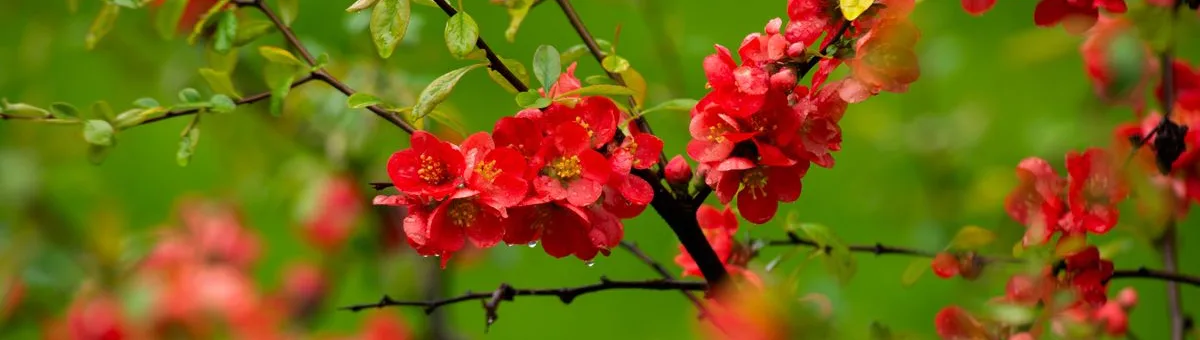
Choose a shrub that fits the site
Compare mature size with nearby paths, windows, utilities and neighboring plants. Check drainage, exposure and local hardiness. Penn State Extension’s shrub selection guide recommends matching a shrub to light, soil, moisture and exposure and notes that diverse plantings can provide interest across seasons.
Confirm a plant’s mature size from more than a flower photograph
Nursery images often show a specimen without the surrounding space or scale. Compare the cultivar’s written mature height and width with your measurements, and ask whether the pictured plant is a mature specimen. Check local growing conditions, since growth and flowering can differ from the source image.
Build privacy with several compatible plants
A layered planting can create a more resilient screen than relying on one shrub, but combine species only when their light, soil and moisture needs overlap. Consider mature height, winter appearance and maintenance access. A screen takes time to establish; do not promise immediate privacy from small plants or prune them repeatedly to force them to remain narrower than their natural habit.
Space shrubs by mature width, not nursery pot size
Check the label for mature spread and use it to estimate the distance between plants and structures. Allow access for pruning and for air to move around the foliage. Planting too closely can lead to repeated clipping, poor airflow and competition for water. If a bed looks sparse at first, use temporary annuals instead of packing permanent shrubs too tightly.
Prune by flowering time
Identify the species before pruning. Many spring-flowering shrubs form buds on older stems and are pruned after flowering; shrubs that flower on new growth are often pruned in late winter or early spring. This is a broad rule, not a substitute for cultivar-specific advice. Penn State’s flowering shrub pruning guide explains the old-wood and new-wood distinction and why pruning should not be used to force an oversized plant into an unsuitable space.
Use a clean, sharp tool for selective cuts
Choose a hand pruner or lopper suited to the branch diameter and make clean cuts without tearing bark. Remove dead or damaged branches first. Do not shear a specimen shrub if you want to preserve a natural shape or flowering stems. Clean tools after working on suspected diseased growth and follow local safety advice for larger branches.
Make clean cuts with suitable tools
Use sharp, clean tools for the diameter of the stem and avoid tearing bark. Remove dead or damaged branches first, then make any shape cuts recommended for the species. Disinfect tools between shrubs when disease is suspected. A hedge trimmer may be appropriate for a formal hedge but can remove flowering growth indiscriminately from a specimen shrub.
Maintain the planting
Water new shrubs while they establish, using rainfall and soil moisture to guide frequency. Mulch can help protect soil and reduce evaporation, but keep it from piling against stems. Remove dead or damaged wood and monitor for local pest or disease problems before treating. Compare options in our garden shrub guide and species-specific hydrangea guide.
Keep access open around a flowering shrub
Leave enough space to water, inspect and prune without stepping into other beds or damaging nearby plants. Avoid placing a shrub where branches will cover a path or utility access at maturity. If the available space is narrow, select a cultivar with a naturally compact habit rather than relying on annual severe cuts.
Replace a shrub that cannot fit the site
Repeated severe pruning can remove flowers and create a cycle of maintenance. If the shrub continually blocks a path or window, compare replacement cultivars with a smaller mature size and suitable site needs. Before removing it, check local rules and whether the plant is protected or has wildlife value. Replant only after correcting any drainage or exposure problem that caused earlier failure.
Keep a simple flowering and pruning record
Record the date a shrub blooms, when it is pruned and whether it produced buds the next season. Local flowering time shifts with weather, and a record from your garden is more useful than a fixed calendar copied from another region. Keep the cultivar name so you can compare observations with extension guidance for the exact plant.
Choose flowering shrubs by garden role
Decide whether you need a focal specimen, a low border, a screen, seasonal flowers or foliage that provides structure after bloom. Then compare mature width and height with the available space. A shrub that fits at nursery size may eventually cover a path or window. Penn State Extension’s shrub-selection guidance emphasizes matching plants to site conditions and using diversity to spread interest across seasons.
Check light, soil and exposure before buying
Record direct sun, drainage, wind and reflected heat at the proposed planting site. Compare those observations with the plant label and local hardiness information. Flowering performance can suffer when a shrub is placed in conditions that do not suit its species, even if fertilizer is added. Choose a cultivar whose mature dimensions and environmental needs fit the spot rather than planning to prune it into permanent compliance.
Plan bloom time as well as flower color
Use plant labels or reliable local references to learn when a shrub usually flowers and how long its display lasts. Combining species with different bloom periods can extend seasonal interest, but the result depends on local climate and cultivar. Consider foliage, bark and structure after flowering so the bed does not rely on one short display. Do not assume a nursery photograph shows the bloom color or size you will see in every garden.
Prune old-wood and new-wood shrubs differently
Some shrubs form flower buds on older stems, while others bloom on new growth. Cutting an old-wood bloomer at the wrong time can remove buds for the next season; delaying a new-wood shrub’s pruning may produce a different shape. Identify the exact species and flowering habit first. Penn State Extension’s pruning guide explains this distinction and why generic pruning calendars can mislead.
Decide whether deadheading is useful
Removing spent flowers can keep a planting tidy, but it is not necessary for every shrub or every gardener. Some plants produce attractive fruit or seed heads that add seasonal interest and may support wildlife; others are pruned for shape or future flowering. Check the cultivar guidance before cutting. If you deadhead, use clean tools and avoid removing healthy new growth with the flower cluster.
Water new shrubs while roots establish
After planting, water the root zone and check it regularly as the shrub establishes. The frequency depends on rainfall, soil texture, temperature, plant size and whether it is in a container or bed. A dry surface does not always mean the root ball is dry, so check below the mulch. Reduce unnecessary irrigation once the plant is established, while still responding to drought and local advice.
Use mulch without burying the stems
A layer of organic mulch can help moderate soil moisture and temperature, but piling it against the trunk or crown can keep bark and stems wet. Leave an open ring around the base and refresh mulch without adding a new thick layer every year. Keep the planting area clear enough to inspect for suckers, pests and signs of water stress.
Design a shrub border in layers
Arrange plants by mature height and width, not by the small size of new nursery stock. Place taller forms where they will not shade plants that need sun, and leave access for pruning and cleaning. A mix of evergreen and deciduous shrubs can provide year-round structure with seasonal change, but select species compatible with the same soil and exposure. Avoid overplanting and expecting repeated hard pruning to solve crowding.
Plant at the correct depth and inspect after planting
Prepare the planting area according to soil conditions and the plant’s instructions. Set the shrub at the recommended depth, backfill with suitable soil and water to settle the root zone. Do not bury the stem base or add a concentrated fertilizer into a planting hole unless a reliable local recommendation calls for it. Monitor the plant through its first growing season and record changes in leaf color, shoot growth and moisture.
Renew an older shrub with species-specific cuts
A shrub that has become oversized or dense may need selective thinning or rejuvenation, but the method varies widely. Remove dead wood first, then identify the flowering habit and local timing before removing major stems. If a plant repeatedly outgrows its allotted space, replacement with a compact cultivar can be kinder to the plant and easier to maintain than annual severe pruning. For broader selection criteria, see our garden shrubs guide.
Choose evergreen or deciduous structure intentionally
Evergreen shrubs provide foliage through more of the year, while deciduous shrubs change with the seasons and may have flowers, autumn color or bare winter structure. Neither choice is automatically lower maintenance. Compare mature size, light, water, local hardiness and cleanup needs. A mixed border can balance seasonal change, but plants should share compatible site conditions.
Check where flower buds form before making a major cut
Before pruning, look up whether the shrub flowers on old wood or new growth and identify the correct cultivar. A hedge trimmer can remove next season’s buds across the whole plant even when the shrub looks tidier afterward. Use selective cuts where possible, and follow Penn State’s flowering-shrub guidance or regional extension advice for the named plant.
Support a new flowering shrub through establishment
Water the planting hole and root ball after planting, then check moisture below the surface while roots establish. Keep weeds and competing turf away from the immediate root zone. Do not place mulch against stems or apply fertilizer automatically. Observe leaf and shoot growth through the first season and adapt irrigation to rainfall, soil texture and exposure.
Consider fruit, seed heads and shelter as well as flowers
Some shrubs provide more than a flower display: fruit, seed heads or dense structure can offer seasonal interest and wildlife value. The benefit depends on the species and local ecology, so choose plants suited to the region rather than relying on a generic “pollinator friendly” label. Leave some spent heads when they are attractive and healthy, and remove them when care guidance or the planting design calls for it.
Use containers only for shrubs suited to restricted roots
A flowering shrub can sometimes grow in a large container, but root volume, water demand, weight and winter protection become important. Choose a plant with a manageable mature habit and a container with drainage. Check moisture more often than for a shrub in the ground, and plan how to move or protect the pot. A container is not a permanent solution for a shrub that naturally grows too large.
Investigate poor flowering before pruning harder
If a flowering shrub produces few blooms, check its identity and flowering habit before making a major cut. Some shrubs form buds on older growth, so pruning at the wrong time can remove the next display; others flower on new growth and respond differently. Also consider whether the shrub is shaded by a new structure or neighboring plant, recently transplanted, or still establishing. Record when it flowers and when you prune, then compare the next season. Avoid adding fertilizer as a first response unless the product and site conditions call for it. Penn State’s guides to pruning flowering shrubs and choosing shrubs for a garden explain why the plant’s mature size, site and bud-forming habit should guide maintenance.