

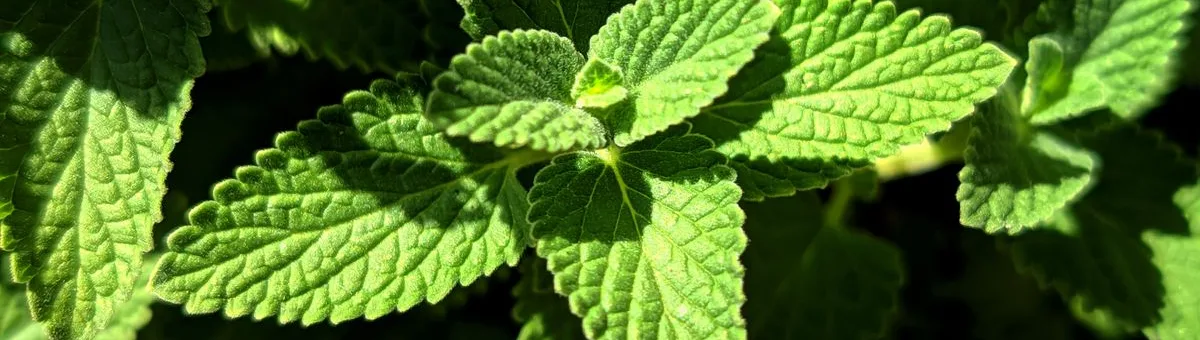
Contain mint before planting
Use a pot with drainage and enough room for the root system, or place a container above ground. Do not depend on a small decorative border to stop spreading stems. Keep the pot separate from other herbs so mint does not crowd them. The University of Minnesota Extension’s herb guide notes that hardy mints can spread aggressively and should be managed carefully.
Match light and moisture to the plant
Mint generally tolerates more shade than many Mediterranean herbs, but it still needs enough light for sturdy growth. Place a container where it receives bright outdoor light or a bright indoor window, then watch for stretched stems as a sign that the site may be too dim. Keep the potting mix evenly moist without allowing the pot to sit in standing water. Check the mix rather than watering by calendar; heat, wind and container size change how quickly it dries.
Use a container mix rather than garden soil in a pot. Remove dead or damaged leaves and pinch or cut stems above a healthy leaf pair when harvesting. Avoid removing most of the foliage in one session, especially from a small plant.
Harvest and renew the planting
Use clean scissors to harvest healthy stems for culinary use. If the plant becomes crowded, inspect the roots and divide only when there is enough healthy growth to re-establish. Keep different named varieties labeled because common names can overlap and seed-grown plants may not retain a cultivar’s traits.
For a broader plan, see our aromatic herbs guide or Illinois Extension’s guide to herbs in containers.
Choose a mint variety for its use and space
Spearmint and peppermint are familiar culinary mints, but labels may also name apple, chocolate, orange or other mints. Treat a variety name as a starting point, not a guarantee of flavor or size: growing conditions and plant identity matter. If the flavor is important, buy a labeled plant from a nursery rather than relying on an unlabeled seed packet. Keep different varieties in separate pots if you want to compare aroma or keep their growth distinct.
Mint is usually a poor choice for a mixed border where neighboring herbs need to remain separate. Its roots can move through moist soil and reappear beyond the original clump. Choose a place where a pot can be reached for watering and regular cutting. The University of Minnesota Extension notes that hardy mints can spread aggressively; its warning is especially useful when deciding whether to place a plant directly in a bed.
Set up a container that is easy to manage
Choose a pot with drainage holes and enough volume to hold the root ball without crowding it. A wider, stable container is easier to water and harvest than a very small decorative pot, which can dry quickly in sun or wind. If you want a planter look, keep mint in its own nursery pot inside the larger vessel and lift it occasionally to check that water can escape.
Use a fresh container medium rather than dense garden soil, and leave a little space below the rim so water does not spill over. Set the container on a surface where runoff is acceptable. A saucer can protect paving, but empty it after watering so the roots do not sit in standing water. Check the plant’s label for mature spread and repot when the root mass is crowded or water runs straight through.
Find the right light for compact mint growth
Mint usually tolerates some shade better than sun-loving Mediterranean herbs, but a very dim position can produce long, weak stems and sparse leaves. Start with a bright outdoor site and observe the new growth for several weeks. In hot, exposed conditions, afternoon shade may reduce rapid drying; in cool or cloudy conditions, more direct light may help keep stems compact.
For indoor mint, place the pot near the brightest suitable window and turn it periodically if growth leans toward the glass. A windowsill can be cold in winter and hot in summer, so look for temperature swings as well as light. If leaves scorch after a move into stronger sun, return the plant to gentler light and acclimate it more gradually. Keep it away from stagnant, poorly ventilated corners.
Water mint by checking the mix, not the calendar
Mint prefers consistent moisture during active growth, but “moist” does not mean waterlogged. Push a finger into the upper layer of the potting mix and check the weight of the container; water thoroughly when the mix is beginning to dry, then allow surplus to drain. A small pot in wind may need attention more often than a large pot in a sheltered spot.
If the plant wilts, check the root zone before assuming it needs more water. A dry pot may recover after a thorough watering, while a pot that stays wet can have damaged roots and may continue to droop. Confirm that the drainage holes are open and that the container is not standing in runoff. Adjust the interval after heat, rain or a change of location rather than carrying over a schedule from another season.
Harvest mint without exhausting the plant
Use clean scissors to cut leafy stems just above a pair of leaves or a branching point. Taking small amounts from several stems encourages a balanced shape and leaves enough foliage for continued growth. Avoid stripping one side of the plant or removing nearly all its leaves at once. For a recipe, harvest only the amount you can use or store safely.
Pick leaves when they are dry and clean, and wash them before using if needed. If you want to dry mint, remove damaged leaves and spread the material so air can move around it; follow food-preservation guidance for drying and storage. Label dried herbs with the variety and date. Fresh mint can also be stored briefly in a cool place, but its texture and aroma change over time.
Prune stems and flowers to keep the pot productive
Pinch or cut leggy stem tips during active growth to encourage branching. Remove yellowed, damaged or crowded stems with clean scissors, and keep cuttings away from the soil surface. If the plant begins to flower, you can trim flowering stems when your goal is leafy growth; flowering itself is normal and does not mean the plant is diseased.
After a heavy harvest, let the plant replace foliage before cutting it again. If the center becomes congested, lift and divide the root mass or take healthy stem cuttings, then refresh the container medium. Do not move a root-bound clump into a much larger pot filled with wet mix without checking drainage: a small root system can struggle to use excess moisture.
Propagate mint from a healthy, identified plant
Mint can be propagated from stem cuttings or by dividing an established clump. For a cutting, select a healthy non-flowering stem, remove lower leaves, and place the cut end in clean water or a suitable propagation medium. Keep it in bright, indirect light and check it regularly. Rooting speed varies, so move it to a pot only when roots are established enough to hold the plant.
Division is useful when the center of an older pot has become woody or crowded. Water the plant beforehand if the mix is dry, slide the root mass out, and separate healthy sections with a clean tool. Discard dead or foul-smelling roots and replant only vigorous pieces. Keep the divisions evenly moist while they settle, then resume normal checks. Start with a pest-free parent plant to avoid moving problems into a new container.
Diagnose weak growth before adding fertilizer
Small leaves, yellowing or bare stems can have several causes. Check light, moisture, drainage, crowding and recent temperature changes before feeding the plant. If only older leaves are affected, look for normal aging; if new growth is distorted or the plant is declining throughout, inspect stems and leaf undersides for pests and review the growing conditions.
Remove badly damaged material and clean scissors between plants if you suspect a disease. Improve airflow by thinning crowded stems and avoid repeatedly wetting foliage when watering. Do not apply a pesticide or homemade spray without identifying the problem and checking that the product is labeled for edible herbs and the intended use. Follow the label, including harvest restrictions, whenever a treatment is necessary.
Plan mint care through the year
In spring, check whether the root mass has filled the pot, remove winter-damaged growth and refresh the surface medium if needed. As new stems appear, place the plant where it receives suitable light and monitor moisture as temperatures rise. During warm months, harvest little and often rather than waiting for a single large cut.
In cold regions, the hardiness of mint depends on its variety and the local climate. A pot is more exposed to temperature swings than garden soil, so move or protect it according to regional advice and the nursery label. In a mild climate, the plant may remain active for longer; continue checking moisture and remove dead material. For overall herb spacing and companion care, use our aromatic plants guide.
Keep mint separate from plants with different water needs
Pair container mint with herbs only when their light and moisture needs are compatible. Rosemary and thyme generally prefer a freer-draining setup, so putting them in the same pot as moisture-loving mint makes watering less precise. A row of labeled individual pots lets you group plants visually while keeping their roots separate. It also makes it easier to move mint if it begins crowding the edge of a patio or raised bed.
Refresh an overgrown mint container
When the pot becomes a dense mat of roots and stems, lift the plant and inspect the center. Keep healthy outer sections with firm roots, discard dead material, and replant into clean medium. Do not simply add more soil over a compact root crown. If the plant has declined or carries persistent pests, replacing it with a labeled, healthy plant may be more practical than trying to salvage every piece.
Use cuttings to build a second pot
A stem cutting can be a low-cost way to start another container, but keep the new plant labeled and separate until it is growing reliably. Use a clean glass or propagation pot, change standing water if it becomes cloudy, and move rooted material into a draining container. If you already have enough mint, avoid planting extra cuttings in a bed where the same spreading habit will be harder to contain.
Store harvested mint cleanly
For short-term use, remove damaged leaves, keep the remaining sprigs clean and cool, and use them while their aroma and texture remain suitable. For longer storage, follow a recognized food-preservation method for herbs and label the container with the variety and date. Keep dried mint away from humidity, heat and direct light; discard it if moisture or mold appears rather than trying to dry it again.