

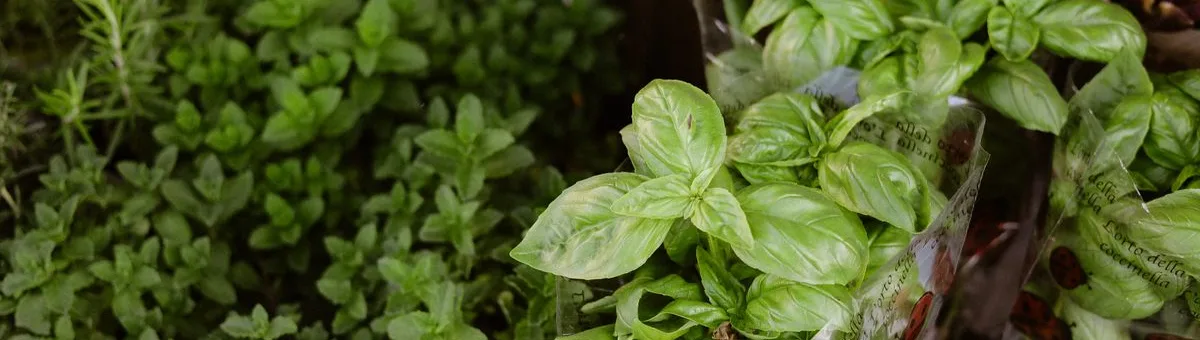
Group herbs by growing needs
Many Mediterranean herbs, including rosemary and thyme, prefer a sunny position and free-draining soil. Leafy herbs such as parsley and cilantro generally need more consistent moisture. Mints spread through underground stems, so growing them in separate containers makes them easier to manage. The University of Minnesota Extension’s home herb guide describes these broad groups and cautions that hardy mints can spread aggressively.
Before planting, check the plant label for mature size and winter hardiness. Do not assume that a plant sold as “perennial” will survive winter outdoors in every climate. In a small garden, containers let you separate herbs with different water needs and move tender plants when conditions change.
Plan the site and growing medium
Record how many hours of direct sun the site receives and whether it is exposed to wind or reflected heat. Use garden soil in beds, and a container mix made for pots in planters; ensure each pot has an open drainage hole. Penn State Extension’s indoor herb guide recommends strong light, a draining container and watering when the mix begins to dry, with the exact needs varying by herb.
Do not apply one watering or fertilizer schedule to every herb. Check moisture near the roots and adjust for rainfall, pot size and growth. Too much feeding can reduce the quality of some aromatic herbs, so follow a soil test where relevant and the fertilizer label.
Harvest to encourage usable growth
Harvest healthy leaves with clean scissors and leave enough foliage for the plant to keep growing. For leafy annuals, repeated light harvests are usually easier to manage than removing most of the plant at once. Perennial herbs need room to recover and may need dividing or renewal as they become woody or crowded. Illinois Extension’s container herb guide explains how harvest and care differ between annual and perennial herbs.
Choose the individual profile that matches your crop: mint, rosemary or thyme.
Choose aromatic herbs by use and growing needs
Start with the herbs you actually cook with, then match each plant to the light, drainage and water available. A pot near the kitchen is useful only if the varieties can grow in that exposure. The University of Minnesota Extension groups common culinary herbs by family and growth behavior, while noting that individual species still have different needs.
| Herb group | First check | Planning note |
|---|---|---|
| Rosemary and thyme | Strong light and free-draining roots | Check winter tolerance and mature habit |
| Mint | Moisture and root containment | Give it a separate pot |
| Parsley and cilantro | Consistent moisture and suitable season | Allow for upright growth |
This is a planning guide rather than a substitute for the plant label. Cultivars differ in flavor, size, flowering and cold tolerance. Keep the botanical or cultivar name so you can find advice for the exact herb. For individual care, see our guides to mint, rosemary and thyme.
Grow rosemary and thyme in sunny, draining positions
Rosemary and many thymes are woody or semi-woody herbs that generally perform best where light is strong and the root zone drains well. A bed that remains soggy after rain or a pot that holds runoff can be a poor match, especially during cool weather. Observe the site after watering before planting a whole row.
The Minnesota Extension guide notes that many herbs in the mint family tolerate heat and drier soil once established. That regional statement does not mean every cultivar is drought-proof. Newly planted herbs still need establishment care, and the label should guide hardiness. Use local advice when winters are severe, wet or markedly different from the source region.
Group rosemary and thyme by compatible site conditions rather than placing them beside leafy herbs solely for convenience. Containers make it easier to control exposure and move tender plants, but they also dry faster. For detailed pruning, harvest and seasonal care, open the dedicated rosemary and thyme pages.
Plan leafy herbs around steadier moisture
Leafy herbs such as parsley and cilantro are commonly grown for foliage and may need a more consistent moisture routine than woody Mediterranean herbs. They can fit near the front of a bed or in a container that is easy to reach, but their sowing season and response to heat vary by cultivar and climate.
The Minnesota Extension guide describes carrot-family herbs such as parsley and cilantro as preferring slightly moist soil with depth and drainage. Use this as a broad distinction, then check seed-packet directions and regional planting advice. Water is not a substitute for drainage: a leafy plant in a permanently saturated pot can still have unhealthy roots.
If a leafy herb becomes tall or flowers, decide whether you want to collect seed, keep foliage or replace it with a new sowing. Keep dates and variety names on labels so you can compare what worked. This helps prevent disappointment when a short-lived annual herb is mistaken for a plant that should remain productive year-round.
Contain mint before it spreads through the herb bed
Mint can spread by underground stems and crowd neighboring plants. A separate pot is a practical way to keep roots contained while making the plant easy to harvest. Do not rely on narrow decorative edging or a small gap in paving to stop a vigorous plant from moving through moist soil.
Use a pot with drainage and keep it above ground or where you can inspect around its base. If you sink a pot into a bed, check it regularly and remove stems that escape over the rim. The University of Minnesota Extension specifically warns that hardy mints can spread aggressively, so decide on containment before planting.
Mint also has different moisture needs from many woody herbs. A mixed pot can make watering harder to judge, even if the plants look attractive together. Keep varieties labeled and separate if you want to preserve their identity. Our mint guide explains containment, harvest and propagation in more detail.
Measure light at the actual planting position
Before buying plants, note how many hours of direct sun reach the exact bed or windowsill and whether nearby buildings, trees or an overhang shade it. Strong afternoon sun can add heat; a bright room may still provide less usable light than an outdoor position. Observe the site over several days rather than estimating from memory.
Many culinary herbs grow well in strong light, but the Minnesota guide notes that species vary. If stems stretch, lean strongly or produce small leaves, reassess light before feeding. A plant moved from shade into direct sun may need a gradual transition. Do not use the same exposure for every herb just because the pots sit beside one another.
Wind and reflected heat change moisture loss. A sunny balcony can dry containers more quickly than a sheltered bed, while a hot wall can stress tender foliage. Consider these conditions when grouping herbs and keep water access nearby so routine care remains practical.
Choose between a garden bed and a container herb garden
A garden bed offers more root volume and can buffer short-term moisture changes, but its soil must suit the herbs you choose. A container lets you separate plants with different needs and move tender ones, but its limited mix can dry quickly and needs open drainage. Neither option guarantees success without matching the plant to the site.
For a bed, observe drainage after rain and avoid a low spot that remains wet. For pots, choose a container large enough for the root ball, stable in wind and fitted with drainage holes. If you use an outer decorative pot, lift the inner pot after watering and empty trapped runoff.
For small balconies, individual pots make it easier to rotate, harvest and adjust care. Larger planters reduce how quickly the mix dries, but do not combine herbs that need opposite moisture routines. The Illinois Extension guide to herbs in containers can help with pot culture; use the variety label for final spacing.
Prepare soil and growing medium before planting
Do not treat garden soil and container mix as interchangeable. In a bed, assess compaction and drainage before planting. In pots, use a medium intended for container growing so water can move through the root zone. Heavy garden soil in a small container can stay wet and compact around roots.
Herbs generally benefit from well-drained conditions, but exact fertility and pH preferences differ. The Minnesota Extension source describes a broad pH range for many herbs and cautions against overly fertile, soggy conditions in its region. Do not add lime, compost or fertilizer in a fixed amount without considering existing soil and the chosen herb.
Fill containers without packing the mix tightly, leave room below the rim for watering and keep drainage openings clear. After planting, water to settle the mix, then check how quickly it dries. This first observation helps set an appropriate routine before summer heat or winter rain changes conditions.
Decide whether to start from seed or buy young plants
Seeds can be economical and offer more variety, but germination and establishment take time. A nursery plant is quicker to use and arrives with a visible growth habit, though its cultivar selection may be narrower. Read the packet or label for sowing depth, light, spacing and transplant timing instead of applying one calendar to every herb.
Some perennial herbs can be divided or grown from cuttings, while annual leafy herbs are often resown. The Minnesota guide recommends starting many seedlings indoors before the local transplant season, but timing depends on frost dates and species. In warm climates, local extension advice may recommend a different planting window.
Label each seed tray and pot with common and botanical names when available. Keep new plants separate from established herbs until you inspect them for pests or disease. A clear label also prevents mixing culinary types that look similar but have different flavor or growth habits.
Space herbs for airflow and mature size
Use the nursery label or seed packet to estimate mature width and height, then leave enough space for foliage to develop. Crowding makes it harder to reach the soil, harvest cleanly and inspect for pests. It can also trap moisture around leaves. A row that looks sparse on planting day may fill in as plants mature.
In a container, avoid filling every gap with another herb simply to create an instant display. Roots compete for the same limited water and nutrients, and one fast-growing plant can shade a slower neighbor. Separate pots are often easier to maintain, especially for mint and woody herbs with different water needs.
Place taller plants where they will not shade smaller varieties that need direct light. Leave a path or clear edge so you can harvest without brushing against every plant. If a plant repeatedly outgrows its neighbor, divide or move it rather than continually clipping it into a poor position.
Water herbs by checking the root zone
The right watering interval depends on rain, soil texture, container size, wind and plant growth. Check the mix below the surface before adding water. Outdoor containers may need frequent checks in hot weather, while a cool indoor pot can stay moist longer than expected. Avoid watering by a fixed weekly schedule without observing soil and plant.
When a container needs water, wet the root ball evenly and let excess drain. Empty standing water from a saucer. For garden beds, water new herbs while they establish and reassess after rainfall. The Minnesota Extension page gives regional guidance for outdoor and indoor herbs, including different checks for pots and beds; use it as a reference, not a universal timer.
Wilting can indicate dry soil, but root damage from persistent wetness can look similar. Check drainage and feel the mix before watering again. Record how quickly each pot dries during a typical week and adjust after heat, wind or seasonal changes.
Prune and pinch herbs without removing too much growth
Use clean scissors to harvest or shape leafy stems, taking modest amounts from several areas so the plant remains balanced. Pinching tips can encourage branching in some leafy herbs, but timing and response vary by species. Avoid cutting into old bare wood on woody herbs unless plant-specific guidance supports that cut.
Remove dead, damaged or crowded stems so you can inspect the plant and maintain airflow. If a plant begins to flower, decide whether you want flowers, seeds or continued leafy growth. Flowering is a normal life stage, not automatically a sign of poor care. Keep a few plants for seed only if you can identify the variety.
Clean tools between plants when disease is suspected and avoid composting material that regional advice identifies as infected. For detailed pruning and renewal, use the dedicated thyme and rosemary guides rather than applying one cut to every aromatic herb.
Feed lightly and only when it is useful
Strong feeding can produce abundant foliage, but it may not improve flavor or plant health if the site is unsuitable. The University of Minnesota Extension recommends light feeding for its regional herb guide and warns against overly fertile conditions for some culinary herbs. Those local rates should not be copied to a different climate or product.
Check the plant, soil and label before applying fertilizer. Do not feed a stressed herb as a substitute for improving light, drainage or watering. For containers, follow the product directions for edible herbs and never exceed the stated concentration or interval. If you are unsure whether nutrients are needed, use local soil-testing advice.
Record the product and application date. This helps prevent repeated doses and gives context if growth changes. Avoid mixing multiple fertilizers or adding a concentrated amendment to the planting hole unless a reliable recommendation for the crop and site supports it.
Harvest herbs in small, clean cuts
Pick or cut healthy growth when the plant is established enough to tolerate harvesting. Use clean scissors and avoid removing most of a plant at once. Harvest different stems instead of stripping one side, and leave enough foliage for continued growth. The amount to take depends on whether the herb is a young annual, a mature perennial or a woody shrub.
Many herbs are easier to handle after surface moisture has dried, but food safety and washing needs depend on the growing site. Remove damaged leaves, keep the harvest clean and use a separate container for herbs. If you are not using them promptly, follow a recognized food-storage or preservation method rather than leaving wet leaves at room temperature.
Keep notes on which varieties you use most and how quickly they regrow. That can guide next season’s planting and prevent growing more than you can use. See our individual mint, rosemary and thyme guides for species-specific harvest details.
Dry or freeze herbs according to how you will use them
Air drying, dehydrating and freezing can all be useful, but the best method depends on the herb and intended dish. The Minnesota Extension guide describes several preservation options and emphasizes clean handling, adequate drying and labeled storage. Follow a food-preservation source for exact times and temperatures rather than guessing for wet or thick-stemmed material.
For dried herbs, remove damaged material, spread or bundle stems so air can circulate, and wait until leaves are fully dry before storage. Label the container with the herb and date, then keep it away from heat, light and moisture. If condensation or mold appears, discard the affected material instead of trying to salvage it.
Freezing can retain a different texture and may be more suitable for cooked dishes than a dry seasoning jar. Portion herbs in a way that is easy to use, label them clearly and keep them frozen until needed. Do not seal fresh herbs while wet.
Set up an indoor herb garden with realistic light
An indoor herb garden needs enough light for the species and a place where you can inspect and water it. A bright-looking room may still be dim for sun-loving herbs. Watch whether new stems are compact and leaves are healthy; stretched growth can indicate that the plant needs more light. A supplemental grow light may be useful, but follow its setup guidance.
Use pots with drainage holes and a container mix. Indoor air and pot size change drying speed, so check moisture rather than watering on a fixed daily routine. Avoid placing herbs where heater air, cold drafts or standing water create extra stress. Rotate pots if growth leans toward the window.
Inspect plants before bringing them indoors and keep them away from other houseplants if pests are suspected. A small set of herbs grown separately can be easier to maintain than a crowded shared planter. Compare the indoor notes on the dedicated rosemary and thyme pages.
Plan winter care by herb type and climate
Perennial herbs differ in cold tolerance, and roots in a container experience more temperature swings than roots in the ground. Check the exact variety and local hardiness guidance before deciding to leave a pot outdoors. A label that says perennial does not guarantee that a plant will overwinter in every region or exposure.
In climates with cold winters, move tender herbs to a suitable protected position if their growing requirements allow it. Keep enough light and airflow indoors and reduce watering only as growth and mix moisture require. Do not bring temperate outdoor herbs into a heated room without checking whether they need seasonal dormancy.
In milder regions, plants may keep growing longer, but winter rain can still leave soil too wet. Remove dead material and inspect drainage. Use local extension guidance for timing, and record which plants survive so you can make better choices next season.
Diagnose problems before adding water or fertilizer
Yellow leaves, weak stems and poor flavor can result from low light, excessive moisture, dry roots, crowding, age or pests. Check the whole plant and growing medium before choosing a correction. Note whether new or old leaves are affected, whether the problem began after a move and whether nearby herbs show the same change.
Isolate a plant with visible pests where practical and identify the insect before treating it. Use only products labeled for edible herbs and the intended setting, and follow all harvest intervals and safety directions. Do not apply a general pesticide just because leaves look damaged; disease, weather or root problems may be responsible.
Make one change at a time and observe the response. If an herb continues to decline, take a clear photograph and label information to a local extension service or nursery. Species identification matters because similar-looking herbs can have different care requirements.
Design a compact herb garden for regular use
Choose a small number of herbs that match the site and the meals you cook rather than filling every pot with a different plant. Put frequently harvested herbs within easy reach and place tall or spreading plants where they will not shade smaller pots. Use labels that remain readable after watering and rain.
Keep mint in a separate container and group rosemary or thyme with plants that tolerate similar drainage. If the space gets partial sun, choose varieties suited to that exposure instead of expecting every herb to thrive. Leave enough room to water, inspect and harvest without moving the whole arrangement.
A practical herb garden should also have a place to store scissors, gloves and plant labels. These small details make regular maintenance easier and reduce the temptation to delay harvest until plants become crowded. Review the layout as plants mature and move any pot that repeatedly dries or stays wet.
Plan for annual, biennial and perennial herbs
Herbs differ in life cycle. Some complete their growth within one season, some persist for more than one year in a suitable climate, and some behave differently depending on winter conditions. Read the seed packet or nursery label before planning a permanent bed. A plant advertised as perennial may still need protection or replacement in a colder region.
Use short-lived herbs where it is easy to resow or replace them, and reserve permanent space for plants that suit the site through multiple seasons. Do not crowd young plants to fill a bed that will eventually mature. Leave room for root growth and future access to prune or divide the planting.
Keep notes on which herbs survived local winters and whether containers required moving. This creates a site-specific record that is more useful than an unqualified claim that an herb is hardy. The dedicated rosemary and thyme pages discuss these perennial considerations in more detail.
Account for walls, wind and reflected heat
A plant beside a sunny wall may receive more heat and dry faster than one in the center of a garden bed. A balcony can be sheltered from rain yet exposed to wind, while a shaded courtyard may stay damp. These small differences affect which herbs can share a location and how often pots need checking.
Observe the position during morning and afternoon, including after rain. Notice whether water drains away, whether hot paving reflects onto foliage and whether wind repeatedly dries one side of a planter. If a plant struggles, move one pot as a test before redesigning the whole bed.
Containers make it easier to respond to a microclimate, but they do not eliminate the need to match light and hardiness. Avoid moving plants abruptly between deep shade and intense sun. Acclimate gradually and keep the label so you can verify the variety’s expected conditions.
Harvest at a pace each herb can replace
There is no single percentage of foliage to remove from every herb. A young plant needs time to establish, while a mature leafy herb may recover from regular small harvests. Woody herbs need enough healthy foliage to maintain their structure. Take a little from several stems and leave the plant with green growth.
If a plant does not regrow after harvest, check whether it was cut too heavily, is flowering naturally, has inadequate light or is stressed by water and temperature. A recurring decline should not be treated by taking even more leaves or applying fertilizer automatically.
Record when you harvest and whether new shoots appear. This helps you learn the growth rhythm of the actual cultivar and climate. Use the plant-specific guides for mint, rosemary and thyme because their growth forms and pruning responses differ.
Keep edible herbs clearly identified
Common names can refer to different plants, and a decorative herb may not be intended for culinary use. Keep the nursery tag or seed packet until you can record the botanical name and variety. Label pots after dividing or propagating them so harvested leaves remain identifiable.
Follow clean food-handling practices when picking herbs and keep them away from chemicals not labeled for edible crops. If you use a pesticide, verify that the product label permits the specific herb and follow its harvest interval and safety directions. Do not assume an ornamental treatment is suitable for leaves that will be eaten.
For herbs with uncertain identity, do not taste them to identify them. Ask the seller or a local expert and compare the botanical name with a reliable reference. This is especially important when plants have similar leaves or when a cutting has been passed along without a label.