

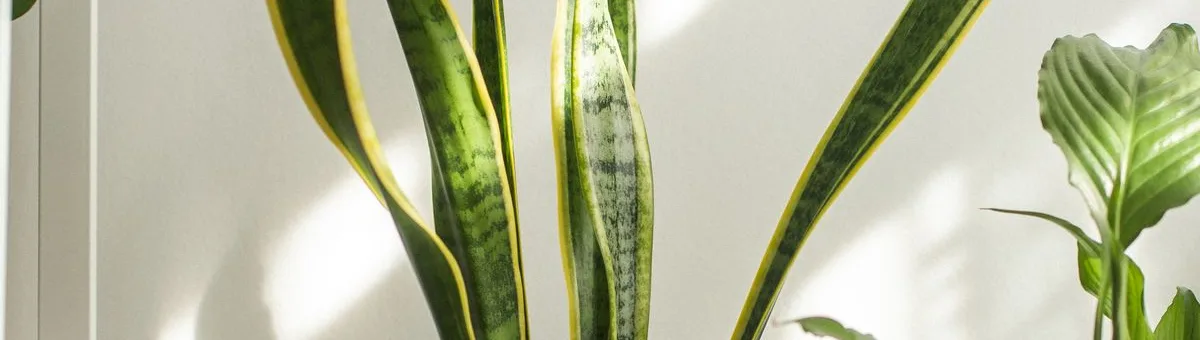
Balcony plants transform an outdoor urban space into a living garden — but choosing the wrong plants for your exposure, climate, or lifestyle can mean replanting every few weeks. The key is matching plants to your specific conditions: sun intensity, wind exposure, watering frequency you can realistically commit to, and the visual effect you want across the seasons. This guide covers the best performing balcony plants for every situation in 2026, with practical advice on containers, feeding, and year-round planning.
Choose balcony plants by your conditions
There is no universally “best” balcony plant. The useful question is whether your balcony has direct sun, reflected heat, drying wind and a watering routine that matches the plants you choose. Use this starting point before selecting a variety at a local nursery.
| What your balcony is like | Good starting plants | What to watch |
|---|---|---|
| Sunny and hot | Geraniums, petunias, lavender, rosemary, portulaca | Containers can dry very quickly; check moisture rather than following a fixed schedule. |
| Bright shade or north-facing | Begonias, fuchsia, impatiens, ferns, ivy | Shade is cooler, but pots under roofs may receive little rainfall. |
| Windy or exposed | Lavender, rosemary, sedums, ornamental grasses, compact geraniums | Use stable containers and protect delicate stems from the strongest wind. |
| Small space for food | Basil, thyme, parsley, salad leaves, dwarf tomatoes or peppers | Warm-season edibles need substantially more direct sun than salad greens. |
How to use this guide
This guide is an editorial planting guide, not a product test. Its recommendations are based on the conditions that matter most for container gardens: exposure, temperature, wind, drainage and the amount of watering the gardener can provide. A balcony can have a very different microclimate from the street below, so observe it for a few days before filling every pot.
For container care, we use guidance from the University of Maryland Extension on light, container weight and watering, and the University of Minnesota Extension on moisture and feeding container plants. Their advice supports the practical rule used throughout this page: use containers with drainage, check the growing medium, and adapt watering to heat, wind and plant size.
Best plants for sunny balconies
South and west-facing balconies with 5+ hours of direct daily sun are the most challenging but also the most rewarding environments for flowering plants. The secret is selecting species that evolved in hot, dry, sunny conditions — Mediterranean natives and drought-adapted annuals that actually perform better with less water and more heat.
Geraniums (Pelargonium) are the undisputed champions of the sunny balcony. They tolerate heat that would wilt most other flowering plants, require relatively infrequent watering once established, and produce bright clusters of red, pink, white, or orange flowers from late spring through fall. Deadhead regularly to extend blooming. Zonal geraniums are the most compact and heat-tolerant; trailing ivy geraniums are perfect for railing planters and hanging baskets.
Petunias reward sunny balconies with an abundance of trumpet-shaped flowers in virtually every color. Modern Wave and Supertunia varieties trail 2–3 feet and require no deadheading — the spent flowers drop naturally. Feed weekly with a high-potassium fertilizer and perform a regeneration pruning in mid-July (cut stems to 4–6 inches) for a second flush of blooms through fall.
Lavender doubles as both ornamental and aromatic, providing months of purple flower spikes beloved by bees and butterflies. On sunny balconies, plant lavender in a gritty, well-draining mix — standard potting soil alone will rot the roots. Water sparingly: lavender prefers to dry out between waterings.
Best plants for shaded balconies
North-facing balconies and those in the shadow of buildings above may receive only reflected light. This is not a limiting factor if you choose the right plants — many flowering species are adapted to woodland shade conditions and actually prefer protection from direct midday sun.
Impatiens (Busy Lizzies) are the go-to shade flowering annual: they bloom continuously from spring until first frost without a single hour of direct sun. Modern Beacon series impatiens have improved resistance to impatiens downy mildew (the disease that devastated impatiens crops in the early 2010s) and come in a full spectrum of colors. Water consistently — impatiens wilt dramatically when dry but recover quickly with watering.
Fuchsia produces elegant pendant flowers in pink, red, purple, and white combinations that cascade beautifully from hanging baskets and tall pots. Fuchsia prefers cool, humid, lightly shaded conditions — exactly what many north-facing balconies provide. Keep the soil consistently moist and feed weekly during summer. Bring inside before first frost; fuchsia can overwinter in a cool, bright indoor location and be brought back out the following spring.
Trailing and hanging balcony plants
Trailing plants that spill over container edges create the lush, layered look that transforms a balcony from a basic outdoor space into a garden. The classic "thriller, filler, spiller" container design principle applies perfectly to balcony planters: choose one tall upright plant (geranium, salvia), one mounding filler (begonia, calibrachoa), and one long trailer (bacopa, lobelia, sweet potato vine).
The most reliable trailers for balcony use include: bacopa (Sutera) — white or pink tiny flowers on cascading stems that will trail 18–24 inches; lobelia — electric blue, purple, or white trailing cultivars for cool spring and fall conditions; sweet potato vine (Ipomoea batatas) — bold burgundy, chartreuse, or variegated foliage that grows vigorously in heat; dichondra 'Silver Falls' — silver coin-shaped leaves that create a shimmering waterfall effect in containers.
Herbs and edibles on the balcony
A balcony herb garden combines ornamental appeal with practical kitchen value. Herbs generally prefer full sun (4–6+ hours), good drainage, and regular trimming to prevent bolting. The most productive balcony herbs: basil (needs warmth and consistent moisture — one of the most rewarding balcony crops), rosemary (near-permanent, extremely drought-tolerant once established), thyme (low-growing, fragrant ground cover that fills gaps beautifully), mint (grows vigorously — always keep in its own container to prevent takeover), and chives (reliable spring-to-fall production with attractive purple flower heads).
For fruit, compact cherry tomato varieties like Tumbling Tom or Balcony varieties produce well in 5-gallon containers with full sun. Strawberries in hanging pots or strawberry planters provide a rewarding crop with minimal space. Bush cucumber varieties trained on a small trellis produce prolifically in a 5-gallon container in a warm, sunny position.
Choosing the right containers
Container choice affects both plant health and visual coherence. For balcony planting, consider three key factors: size (larger pots dry out more slowly, reducing watering frequency), drainage (at least one drainage hole is non-negotiable — standing water kills roots), and weight (terracotta and ceramic are beautiful but heavy; resin and fibreglass are lightweight alternatives for upper-floor balconies with load limits).
Railing planters provide the best space efficiency on balconies — they use otherwise wasted railing space and create a beautiful visual border. Choose models with drainage holes and liner trays that prevent water dripping onto lower floors. A consistent style and color across all balcony containers creates a more designed, cohesive look than a mix of different materials and shapes.
Watering and fertilizing balcony plants
Balcony container plants are entirely dependent on you for water and nutrients — they cannot draw on soil reserves or rainfall below ground. In summer, most balcony annuals need watering every 1–2 days; in hot, windy, exposed positions daily watering is essential. Check by inserting your finger 1 inch into the soil: if it is dry, water thoroughly until it drains from the bottom holes.
Fertilizing every 7–14 days during the growing season is equally important. Container plants exhaust nutrients within 4–6 weeks of planting, after which growth stalls and flowering diminishes. Use a high-potassium, high-phosphorus water-soluble fertilizer (such as the Miracle-Gro Bloom Booster above) for maximum flowering. Switch to a balanced liquid fertilizer in early spring and late fall when you want to encourage leaf growth rather than flowers.
Year-round color strategy
Achieving continuous balcony interest across all four seasons requires planning in advance. Think of your balcony containers in three layers: permanent structural plants (lavender, dwarf boxwood, ornamental grasses — provide form and greenery year-round), seasonal fillers (the main flowering display that rotates 3–4 times per year), and accent bulbs (planted in fall for spring surprises).
A practical year-round rotation: plant spring-flowering bulbs (tulips, daffodils, muscari) in pots in October–November; replace with cool-season annuals (pansies, primroses) in March–April; transition to heat-tolerant summer annuals (geraniums, petunias) in May–June after last frost; plant fall chrysanthemums and ornamental kale in September; finish with cyclamen and winter heather for the Christmas season. This six-planting-per-year strategy keeps every container interesting through every month.
Dealing with wind and exposure
High-floor balconies can experience wind speeds significantly higher than street level, creating conditions that can damage plants and dry out containers in hours. The most effective solutions: install a transparent or mesh windbreak along the balcony railing (this dramatically reduces wind exposure while maintaining light), use heavy stone or concrete containers that cannot be tipped, and choose naturally wind-tolerant plants for exposed positions.
The most wind-tolerant balcony plants include: ornamental grasses (they move beautifully in wind without damage), lavender and rosemary (Mediterranean herbs evolved for exposed, windy conditions), geraniums (surprisingly wind-tough), sedums and other succulents (drought-tolerant and structurally robust), and ivy (flexible stems that bend rather than break). Avoid tall, hollow-stemmed plants like dahlias and delphiniums in very exposed positions without substantial staking.